
Understanding Derivative Trading for South African Investors
📈 Understand how derivative trading works in South Africa, explore common types like futures and options, and assess risks to boost your investment strategy wisely.
Edited By
Ethan Clarke
When South African investors hear about GOOG stock, they are looking at shares in Alphabet Inc, the parent company of Google. GOOG is one of the ticker symbols used to trade Alphabet’s Class C shares on the Nasdaq stock exchange in the US. These shares have no voting rights but still represent a slice of one of the largest tech firms globally.
Alphabet’s business is rooted mainly in online advertising through Google Search, YouTube, and an extensive ecosystem of services including Android, Google Maps, and cloud computing. This diversified model helps buffer the business against risks tied to any single product or market. For South Africans considering investing, understanding these fundamentals is key.

GOOG stock gives local investors exposure to global technology growth, but requires careful consideration of currency exchange, taxes, and international trading platforms.
Over the past decade, Alphabet has shown steady revenue growth, driven by strong demand for digital ads and innovation in artificial intelligence. Still, the stock price can swing with regulatory challenges, market shifts, or global economic changes—which South African investors need to monitor, especially since trading takes place in US dollars.
For those new to international shares, buying GOOG shares involves opening an account with a broker that offers access to Nasdaq-listed stocks, such as EasyEquities or Standard Bank Online Share Trading. Investors should weigh transaction costs, currency conversion fees, and tax implications, including reporting dividends properly to SARS.
Key points for South African investors:
GOOG represents non-voting shares in Alphabet Inc
Alphabet's core earnings come from advertising and cloud services
Stock trades in USD on Nasdaq, with exchange rate considerations
Accessible via local brokers with international share trading facilities
Subject to regulatory and market risks inherent in global tech stocks
Being fully informed helps you decide if GOOG fits your portfolio goals, risk tolerance, and time horizon. Next, we'll delve into Alphabet's business model and financial performance to give you a clearer picture of what you’re backing with this investment.
Understanding what GOOG stock represents and the nature of Alphabet Inc. is essential for South African investors looking at the US tech market. GOOG shares tie directly to Alphabet’s financial health and future growth, so knowing their specifics helps you make informed investment choices. This overview also clarifies the practical differences between share classes, while breaking down the company's business operations which drive its stock value.
Class C shares without voting rights: GOOG shares are classified as Class C shares, meaning they do not carry voting rights in Alphabet's shareholder meetings. This setup emerged after Alphabet restructured to create different share types, allowing founders and insiders to retain control without diluting their voting power. For an investor, this means holding GOOG shares offers exposure to Alphabet's financial returns but no direct influence on company decisions.
This distinction matters because while you gain from share price appreciation and dividends (if declared), you can't vote on key issues like board elections or mergers. South African investors should weigh if this trade-off suits their approach.
Difference between GOOG and GOOGL stock: GOOGL shares are Class A shares, which do grant voting rights, typically one vote per share. If influence in corporate governance is important to you, GOOGL offers that advantage.
The price difference between GOOG and GOOGL tends to be slight but can widen during major company events. For example, during high-profile shareholder meetings or announcements, GOOGL's voting power might add premium value. Understanding this nuance shapes how you might select shares through local brokers or platforms offering US-listed stocks.
Core segments: Search, Advertising, Cloud, YouTube: Alphabet’s bulk of revenue comes from Google Search and its advertising network, making up over 80% of total income. This strong advertising backbone supports other growing areas like Google Cloud, which competes with Amazon Web Services and Microsoft Azure. Meanwhile, YouTube remains a content giant, pulling in significant ad revenue and subscription fees.
For South African investors, these segments highlight Alphabet’s diversification across tech landscapes—hedging some risk if one segment underperforms. For instance, in times when advertising slows down globally, Google Cloud’s expansion can cushion earnings.
Recent ventures and innovations: Alphabet constantly invests in new technologies, from artificial intelligence (AI) tools to self-driving cars through its Waymo project. These ventures might not yet be major revenue contributors but represent potential growth pockets. For example, breakthroughs in AI could reshape sectors or open new markets.
As an investor, keeping an eye on these innovations signals Alphabet’s long-term commitment to staying competitive amid fast-changing tech trends. These developments can inform when to buy or hold GOOG stock, especially if you believe in the promise of future tech advances.
Knowing exactly what GOOG shares are and how Alphabet generates income helps you evaluate the stock’s risk and opportunity profile. This knowledge is the first step to confident investing in one of the world's leading tech giants from South Africa.
Understanding the historical performance of GOOG shares offers valuable insights for investors looking to assess the stock's stability and growth potential. For South African investors, tracking how GOOG price trends have evolved helps gauge the risks and rewards of adding this tech giant to their portfolio. It also sheds light on how external events and company-specific milestones influenced market sentiment.
GOOG's stock price has shown strong growth over the past decade, reflecting Alphabet's expansion in digital advertising, cloud computing, and innovative platforms like YouTube. For example, between 2014 and 2024, the share price increased multiple times, rewarding patient investors and signaling the robustness of Alphabet’s business model. This long-term trend makes GOOG attractive for those seeking growth stocks tied to the global tech sector.
Tracking this growth helps investors understand the benefits of holding onto the stock through market ups and downs, rather than getting swayed by short-term volatility. It also illustrates the company's ability to generate consistent revenue streams, especially from advertising, which remains its primary income source.
Key market events and quarterly earnings releases often cause notable price movements in GOOG shares. When earnings beat expectations, the stock tends to jump, while missed targets can bring declines. For instance, in Q3 2023, better-than-expected ad revenue fueled a price surge despite broader market uncertainty. Earnings announcements act as a reliable barometer of the company's financial health and market expectations, useful for timing entry or exit points.
These events remind investors to keep an eye on Alphabet’s quarterly reports and guidance as they provide a snapshot of growth prospects and challenges that may affect the share price.
GOOG’s price has sometimes faced sharp swings due to regulatory challenges, especially around antitrust investigations and privacy regulations globally. When the company faced increased scrutiny, share prices dipped as investors factored in potential fines or operational restrictions. For example, in 2019, regulatory probes in the US and Europe caused short-term volatility, reflecting investor caution.
Understanding these responses helps South African investors manage risk by anticipating how such news could impact GOOG shares and potentially the broader tech market.
Global tech sector trends also influence GOOG’s stock. For instance, during periods when tech stocks rally due to innovation excitement or investor appetite for growth, GOOG’s shares tend to rise. Conversely, global economic slowdowns, interest rate hikes, or tech valuation corrections can pull the stock down alongside peers. This sector-linked movement means investors must watch broader tech indices and economic signals to better time GOOG trades.
Tracking historical patterns and market reactions equips investors with practical context to handle the ups and downs of GOOG stock, particularly when navigating foreign exchange risks and South Africa’s unique trading environment.
In summary, GOOG’s historical performance offers a clear window into its growth trajectory and the external factors affecting its market value — essential knowledge for building a well-informed investment strategy.
Understanding what moves GOOG’s stock price is key for South African investors aiming to make informed decisions. Several factors shape this share’s value, ranging from Alphabet Inc.’s internal financial health to broader external forces like regulation and global markets. Getting to grips with these can help you anticipate shifts and manage your investment more wisely.
Advertising revenue and diversification play a huge role in GOOG’s stock value. Google’s dominant slice of global digital advertising—pulling in over 80% of Alphabet's revenue—means the company’s fortunes are closely tied to ad spending trends. For example, if marketers tighten budgets during economic slowdowns, GOOG’s earnings tend to feel the pinch. However, Alphabet has been spreading its wings beyond advertising. Its cloud computing services, YouTube subscriptions, and hardware sales add new revenue streams, helping offset dips in ads. For a South African investor, spotting these shifts signals how well Alphabet is cushioning itself against market fluctuations.
Profit margins and cash flow offer another important angle. Alphabet consistently reports healthy profit margins thanks to its efficient cost structure and scale. Cash flow remains strong, providing room for investment in innovation and acquisitions without raising debt. This financial footing matters because it suggests resilience during rocky patches and funds for future growth. In practice, if you’re tracking GOOG, smooth cash flow trends could indicate continued dividend potential or share buybacks that support price stability.
Regulation and antitrust scrutiny have become a consistent cloud over tech giants including Alphabet. Governments around the world, including the US and EU, are increasingly probing Google for its market dominance and data practices. Such crackdowns can lead to fines or forced business changes, which investors need to watch closely. Take the 2020 EU fine of €1.49 billion for shopping services as an example; it rattled shares temporarily but also highlighted risks tied to regulatory actions. South African investors should keep an eye on these developments since they impact market sentiment and potentially the company’s cost of doing business.
Global economic factors affecting tech stocks add another layer of complexity. Exchange rate swings, interest rate changes, and international trade tensions influence investor appetite for growth stocks like GOOG. For instance, when the rand weakens against the US dollar, your returns on US dollar-denominated shares may vary even if the stock price stays steady. Moreover, rising global interest rates often put pressure on tech stocks by making borrowing more expensive and shifting investment to safer assets. Understanding these outside forces helps South African investors gauge when to hold firm or adjust their positions.
Keeping a close watch on what's driving GOOG's stock value—including both financial health and external pressures—gives you a clearer picture of risks and opportunities in your portfolio. Both company fundamentals and the broader environment will sway your investment performance.
In summary, these factors—diversification of revenue, profit strength, regulatory landscape, and global economic trends—must be part of any practical evaluation of GOOG shares from South Africa. Staying informed helps you respond to market changes rather than getting caught off guard.
Investing in GOOG stock presents opportunities, but South African investors need to weigh several risks and practical considerations. Foreign investments carry unique challenges, especially when dealing with currency fluctuations, market access, and tax rules. Being aware of these elements helps avoid surprises and improves decision-making.
Since GOOG shares are traded in US dollars, rand-dollar currency swings directly affect the effective price paid and eventual returns when converting back to rand. For instance, if the rand weakens against the dollar, your GOOG shares cost more in rand terms, possibly inflating investment costs. Conversely, gains may feel larger when the rand weakens but smaller if the rand strengthens.
These shifts can make long-term planning tricky. South African investors often must weigh whether currency moves will amplify gains or compound losses. For example, if an investor bought GOOG when the rand was at R15 to the dollar and the rate changes to R18, their investment's rand value rises even without price gains. However, when repatriating funds, the fluctuating rand can cut into profits unexpectedly.
Buying GOOG from South Africa means accessing US markets, which local brokers enable but sometimes with extra layers. Many South African investment platforms like EasyEquities, Standard Bank Online Trading, and FNB Securities offer access to international stocks, including GOOG, but not all provide direct market access or may charge higher fees.
Local brokers often bundle foreign share purchases with additional costs such as forex conversion fees, transaction charges, and custody fees. Some investors might find offshore brokerage platforms like Interactive Brokers or Saxo Markets more cost-effective but need to be aware of minimum deposits, account setup processes, and regulatory requirements. Not every broker supports fractional shares of GOOG, so investors may need to buy whole shares, which affects the initial outlay.
South Africans investing abroad must comply with exchange control regulations managed by the South African Reserve Bank (SARB). The annual Individual Foreign Investment Allowance is currently R11 million, meaning you can invest that amount overseas per year without prior approval, which comfortably covers buying GOOG stock.
Tax-wise, South African residents are taxed on worldwide income, so any dividends or capital gains from GOOG most likely need to be declared to SARS. Keeping proper records of trades, dividends received, and transactions in rand is vital for accurate tax returns. Engaging with a tax adviser experienced in cross-border investments helps avoid pitfalls.
The US government levies a withholding tax of 15% on dividends paid to foreign investors, including South Africans. This means dividends from GOOG shares are automatically taxed before they reach your account, reducing the net amount.
In South Africa, though, you might claim a foreign tax credit for the withholding tax paid, preventing double taxation. Still, this involves paperwork and timing differences in SARS processing. Since Alphabet generally reinvests profits rather than paying large dividends, this impact might be limited for GOOG investors, but it’s something to bear in mind if dividend income becomes significant.
For South African investors, understanding these risks and rules is key to making informed choices about adding GOOG stock to your portfolio. Effective management of currency exposure, broker selection, and tax compliance can protect your returns and reduce surprises.
By keeping these factors front of mind and seeking expert advice where necessary, investors can navigate the complexities of offshore investing with greater confidence and clarity.
Buying and keeping an eye on GOOG shares from South Africa is a practical step for investors keen to tap into one of the largest tech giants globally. This section focuses on the nuts and bolts—how to get started with purchasing GOOG stock, the key choices around brokers, account setups, plus practical methods to track your investment effectively.
Many South African brokers provide access to US markets, allowing you to buy GOOG shares without the hassle of opening an international account. Brokers like EasyEquities or Standard Bank’s stock trading platform let you invest directly from your South African bank account. This setup typically streamlines currency conversion, as your Rand is converted to dollars when you trade, often with transparent fees. However, not all local brokers offer the same international reach or trading tools, so it pays off to compare their platforms, fees, and market access.
Alternatively, investors might prefer global platforms like Interactive Brokers or Saxo Bank. These platforms generally provide deep liquidity and advanced trading tools but require setting up foreign currency deposits and managing exchange rates yourself. Fees may include foreign exchange margins and withdrawal charges, which can add up if you trade frequently. For example, Interactive Brokers charges a margin on currency conversions but offers competitive commission rates, making it a solid choice for active traders who want robust features.
Successful investing requires staying updated on price movements and market news. Several apps and platforms—such as Investing.com, Yahoo Finance, or broker-specific apps—allow you to set price alerts for GOOG shares. When the stock hits your chosen threshold, you get notified, enabling timely decisions. Plus, keeping tabs on relevant tech and financial news helps you understand factors affecting Alphabet’s stock price, like new product launches or regulatory developments.
Alphabet releases quarterly financial reports that detail earnings, ad revenue trends, and other key figures influencing GOOG’s value. For South African investors, understanding these reports goes beyond the numbers; it’s about spotting trends that can inform buy or sell decisions. Regularly reviewing the earnings calls and profit announcements lets you see how Alphabet navigates challenges and opportunities, giving you an edge compared to relying only on price movements.
When buying GOOG stock from South Africa, choosing the right broker and staying alert on company updates can make all the difference in managing your investment effectively.
In summary, South African investors looking to buy and monitor GOOG shares have options. Local brokers offer convenience and easier Rand management, while global platforms provide broader tools but require more attention to fees. Tracking tools and financial reports complement your strategy, helping you make smarter, timely moves with your investment.
📈 Understand how derivative trading works in South Africa, explore common types like futures and options, and assess risks to boost your investment strategy wisely.

📈 Explore how stock indices track markets, influence SA investments, and respond to global events. Get insights to navigate your financial decisions better.
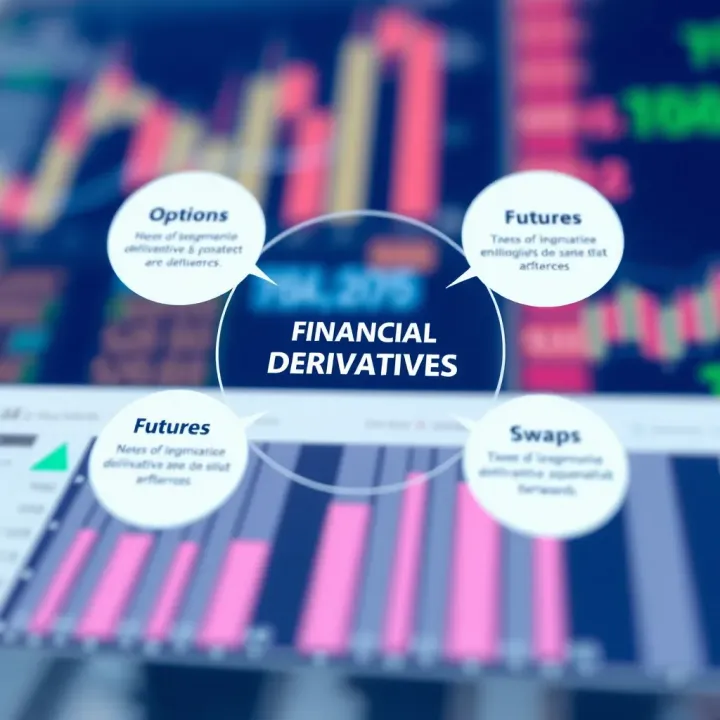
🔍 Understand derivatives—what they are, how South African businesses use them, key types, risks involved and rules to help you trade and invest wisely.

📈 Discover how to trade on IQ Option with tailored advice for South African investors. Learn about account types, local payments, trading tools, and smart risk tips. 🇿🇦💡
Based on 6 reviews