
Robot Trading Apps Guide for South African Investors
Explore robot trading apps in South Africa 🤖📈 Learn how they work, key features, pros and cons, plus tips to pick the right one for your investments.
Edited By
Oliver Hughes
Derivative trading is often seen as a complex corner of the financial world, but it really boils down to contracts whose value is linked to something else — like shares, bonds, or commodities. In South Africa, these contracts are used by traders and investors not just to speculate, but also to manage risks in their portfolios.
At its simplest, a derivative is an agreement that derives its price from the performance of an underlying asset. For example, a futures contract on gold means you agree today to buy or sell gold at a set price on a future date. This can protect you from sudden price changes or offer opportunities for profit.
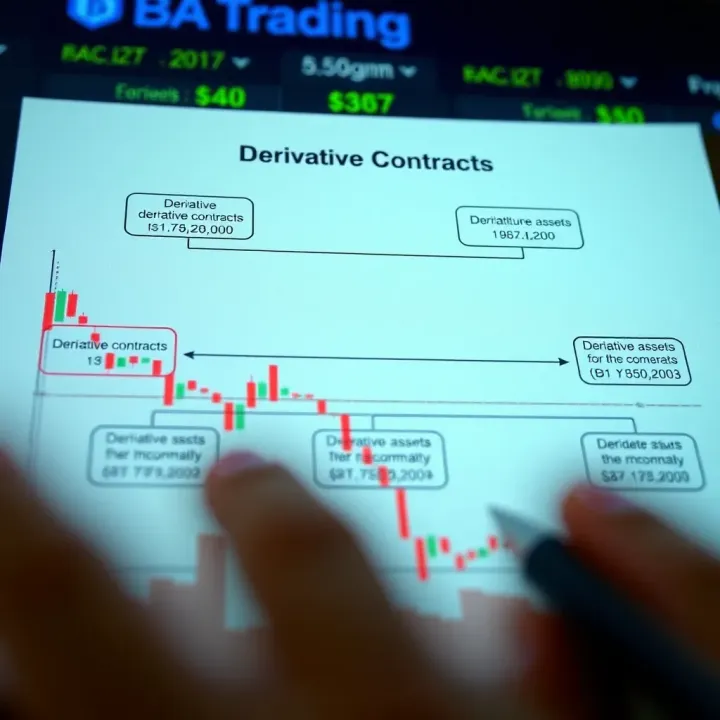
There are several types of derivatives commonly traded in South Africa:
Futures: Agreements to buy or sell assets at a future date. Common on the Johannesburg Stock Exchange (JSE), these are frequently used for commodities like platinum or financial instruments like equity indices.
Options: Contracts giving the right — but not the obligation — to buy or sell an asset at a certain price before expiry. Options provide flexibility and are a popular way to hedge or speculate.
Swaps: Agreements to exchange cash flows or assets, often used by financial institutions and big corporates to manage interest rate or currency risks.
The appeal of derivatives lies in their versatility. Whether you want to protect your investment against Eskom-induced volatility, hedge foreign currency exposure, or simply seek leveraged gains, derivatives play a role. But they’re not without dangers. Leverage can magnify losses, and market moves can be swift and unforgiving.
"Understanding the practical side of derivatives — knowing how they function and the risks involved — is key for South African investors aiming to make informed choices that fit their financial goals."
In this guide, we'll break down the basics, explore local market specifics, and highlight what you need to know before stepping into derivative trading. Expect clear explanations and real-world examples to help you decide if these instruments suit your investment style and risk appetite.
Derivative trading is essentially dealing with contracts whose value is directly linked to an underlying asset. These assets could be shares in a company, commodities like gold or maize, or even indices that track market trends. For South African investors, derivatives offer a way to manage risk or speculate without owning the actual assets. For instance, a farmer might use derivatives to lock in a price for maize ahead of the harvest, protecting against price drops. In contrast, a trader might use derivatives to profit from predicted moves in the JSE Top 40 index.
At its core, a derivative is a contract between two parties based on the performance of an underlying asset. These contracts might specify terms such as price, quantity, and expiry date. The underlying asset itself isn’t exchanged outright but rather the value of the contract changes as the asset’s price moves. This setup allows investors to gain exposure to an asset without actually buying it, which can reduce upfront costs or provide flexibility.
Take, for example, a futures contract based on platinum. Instead of buying platinum bars, an investor contracts to buy or sell a set amount at a future date and price. This agreement means profits or losses hinge on platinum’s market price movements rather than ownership.
The derivative’s value depends on the underlying asset but isn’t the asset itself. This distinction matters in practice: while owning a share makes you a company part-owner, holding a derivative tied to that share does not confer ownership rights like dividends or voting.
Moreover, derivatives often have expiry dates and can be more complex in structure. Unlike direct ownership, derivatives can be tailored with specific terms on price and timing, allowing more precise strategies, such as hedging against price falls or betting on volatility.
These terms are fundamental, especially in options trading. The strike price is the predetermined price at which an option holder can buy (call) or sell (put) the underlying asset. The expiry date is when the option contract ends; after this date, the option expires worthless if not exercised.
The premium is what the buyer pays upfront to purchase the option. For instance, if you buy a call option on Sasol shares with a strike price of R300, paying a premium of R15 per share, it gives you the right to purchase the shares at R300 before expiry. The premium is the maximum loss if the option isn’t favourable.
Taking a long position means you anticipate the underlying asset’s price to rise, so you buy the derivative. For example, if you expect the rand to weaken against the dollar, you might take a long position on USD/ZAR futures.
A short position is the opposite: you anticipate a price fall and sell the derivative contract, often without owning the asset. If you expect the price of platinum to drop, a short futures contract lets you potentially profit from this decline, though the risk is significant if prices rise instead.
Understanding these basics equips South African investors to decide how derivatives fit in their portfolios, balancing potential rewards against the risks involved.
Derivatives play a significant role in South Africa's financial markets by offering investors ways to manage risk, speculate, or gain access to an asset’s returns without owning it directly. Understanding the main types of derivatives commonly traded locally helps you navigate these tools effectively. The most prevalent derivatives include futures, options, and swaps, each serving different purposes and catering to diverse investment strategies.
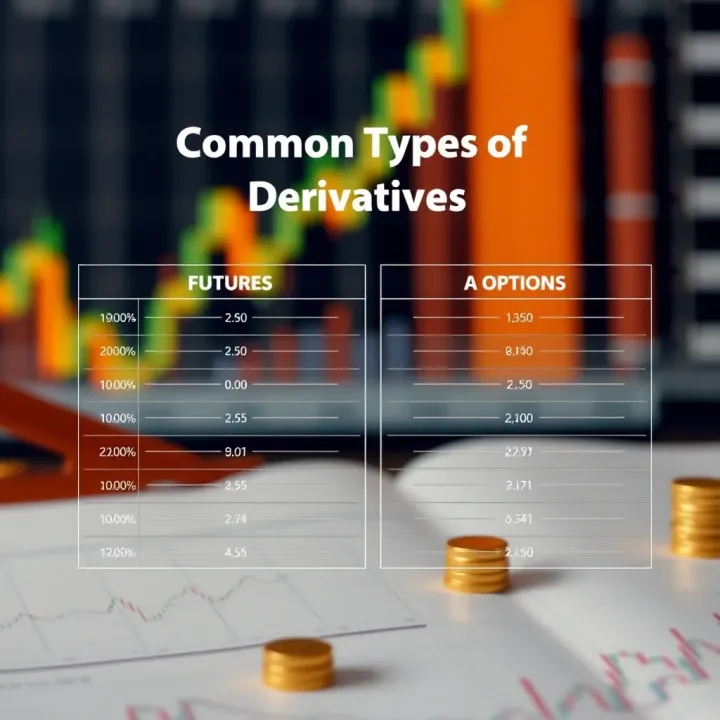
At their core, futures contracts are agreements to buy or sell an asset at a predetermined price on a specific future date. In practice, they allow investors and producers to lock in prices today to avoid uncertainty later. For example, a maize farmer in the Free State might sell futures contracts on the Johannesburg Stock Exchange (JSE) to secure a price for their harvest months ahead. This protects against price dips during lean months.
Besides agricultural products, futures extend to financial indices like the FTSE/JSE Top 40 Index. A trader expecting a market rise might buy futures to profit from the increase or hedge an existing equity portfolio against losses. The local derivatives market on the JSE supports such contracts, making futures a practical option for both commercial users and speculators.
Options give holders the right, but not the obligation, to buy (call option) or sell (put option) an asset at a set price within a specified period. This flexibility is valuable for investors who want exposure without immediate commitment. For instance, an investor bullish on a company listed on the JSE could buy call options to benefit from potential price gains with limited upfront cost.
Using options as a risk management tool is common among traders. You might buy put options to safeguard your share portfolio against a sudden drop, effectively setting a 'floor' price. South African investors use options pragmatically, often combining calls and puts to construct strategies aimed at protecting gains or limiting potential losses, considering the volatility endemic in local markets.
Interest rate swaps involve exchanging fixed interest payments for floating ones (or vice versa) between parties, helping businesses manage exposure to changing interest rates. Say a South African company has a loan with a variable rate but expects rates to rise; it might enter a swap agreement to pay fixed interest, stabilising cash flows.
Credit default swaps (CDS) offer protection against the risk of a borrower defaulting. While less common among retail investors, institutional players use CDS to hedge or speculate on credit risk in South African corporate or government debt. These instruments are more complex but vital for sophisticated risk management in larger portfolios.
Understanding these derivatives and their uses is key for investors in South Africa aiming to navigate the complexity of local and global markets. Each derivative type brings specific applications and risks, making knowledge of their mechanics and practical relevance crucial before getting involved.
Understanding how derivative trading actually unfolds in the market gives South African investors a leg up. It’s not just about buying a contract and waiting for it to move in your favour. Day-to-day, it involves opening and closing positions, managing margin accounts, and coping with leverage—all of which influence both your potential gains and risks.
When you open a position in the derivatives market, you’re essentially entering a contract to buy or sell an underlying asset at a later date. This could be a futures contract on gold or a call option on an index like the JSE Top 40. To open a position, you place an order through your broker specifying the type of contract, size, and price. For example, if you expect platinum prices to rise ahead of anticipated demand from the automotive sector, you might buy a futures contract that locks in today’s price.
Closing a position means executing the opposite trade to exit your contract before expiry or settle at maturity. If the platinum futures move favourably, selling the contract early can lock in profits. Conversely, closing a losing position can help limit further losses. Timing and market conditions play a key role here; prices can swing quickly due to local events such as changes in mining output or global demand shifts.
Brokers and exchanges form the backbone of this trading process. Brokers act as intermediaries, helping you access markets like the Johannesburg Stock Exchange (JSE) derivatives platform. They ensure orders reach the correct exchange and provide the necessary infrastructure for settlement and clearing. Exchanges regulate trading activity, maintain transparency, and manage risks by requiring margin deposits and ensuring contracts are honoured. For most retail investors, the broker’s platform is where all trading decisions translate into action.
Margin accounts allow traders to control large contracts by putting down only a fraction of the total value upfront—known as the margin. In South Africa, margin requirements vary by instrument and broker but generally range between 5% and 20%. For instance, buying futures on commodities like maize might require a smaller margin compared to equity index options due to differing volatility profiles.
The advantage of margin trading lies in leverage: you can amplify your exposure without allocating full capital. But this comes with a two-edged sword. While gains can multiply if the market moves your way, losses do the same if prices go against your position. For example, if you put down R10,000 margin to buy futures worth R100,000, a 10% adverse move eradicates your margin completely. This risk means vigilant monitoring and risk management are non-negotiable.
Margin and leverage can boost profit potential but demand discipline and a clear exit strategy to prevent outsized losses.
For South African investors navigating loadshedding or other disruptions, margin calls—requests to top up margin when losses mount—can be particularly tricky. Ensuring you have accessible funds or hedging strategies in place can help smooth the bumps.
By grasping these practical elements—opening/closing positions, broker roles, margin, and leverage—you stand better prepared to use derivatives smartly within your portfolio. It’s a balancing act, but one that rewards those who approach it with clear eyes and steady nerves.
When navigating derivative trading, it's vital for investors to understand both the benefits and the risks tied to this financial tool. Derivatives offer strategic advantages but can also introduce complexities that require careful attention. Grasping these will help you decide how derivatives fit within your broader investment plan.
One of the main appeals of derivatives is their use for hedging. Say you own shares in a South African company, but you worry an upcoming event might cause the price to dip. You could buy put options on those shares, giving you the right to sell at a set price, thereby limiting potential losses. This approach acts like an insurance policy for your portfolio, helping protect your capital against sudden shifts.
In sectors prone to seasonal fluctuations, such as agriculture or mining, producers and investors commonly use futures contracts to lock in prices ahead of time. This gives them certainty about income or costs, even if market prices swing wildly. So, derivatives can create stability amid uncertainty.
Derivatives aren't just for protection; they also offer chances to profit whether the market rises, falls, or moves sideways. For instance, a savvy trader might take a short position in futures contracts if they expect prices to drop, aiming to buy back cheaper later.
Options trading notably provides flexibility. By combining calls and puts in different strategies, investors can design tactics that yield returns even when markets are stagnant. This adaptability means you can find ways to benefit regardless of market direction, an edge many traditional investments don't offer.
While volatility can create profit opportunities, it also means prices can move against you quickly and unpredictably. Consider a scenario where you buy options hoping for a specific price move that never materialises—your investment might expire worthless, losing your entire premium.
This risk amplifies when trading on leverage through margin accounts. The potential gains come with equally potential steep losses, which can exceed your initial investment. For South African traders, local events or global shocks can quickly unsettle markets, so staying alert and disciplined is crucial.
Not all derivative contracts operate on formal exchanges; some are over-the-counter (OTC) agreements between parties. Here, the chance arises that the other side might fail to meet obligations, especially in volatile times. While exchange-traded derivatives have clearing houses to reduce this risk, it's still something to be mindful of.
Liquidity, or how easily you can buy or sell a derivative, matters too. In illiquid markets, entering or exiting positions can be challenging and costly. For example, some specialised commodity futures or niche options might see fewer participants in South Africa, leading to wider spreads and increased expense.
Keeping these risks and rewards in mind helps you make more grounded decisions when trading derivatives. They’re powerful tools but should be used with a clear strategy and understanding of the market environment.
Understanding the local regulatory framework and market practices is key for anyone dealing in derivatives in South Africa. These rules create a safer trading environment and protect investors while ensuring the market remains fair and transparent. Without clear governance, derivative trading can quickly become risky and confusing.
The Financial Sector Conduct Authority (FSCA) is the watchdog overseeing derivative markets in South Africa. Its role centres around enforcing market rules, licensing brokers, and ensuring investors receive fair treatment. The FSCA keeps an eye out for market abuse, insider trading, and misleading conduct, which helps maintain confidence among traders and investors.
For example, if a broker doesn’t comply with FSCA rules or acts irresponsibly, the FSCA has the authority to suspend licences or impose penalties. This regulatory presence reassures market participants that the system isn’t a free-for-all.
Rules governing derivative markets focus on transparency and risk management. These include mandatory disclosures, adequate margin requirements, and limits on leverage ratios. South African law requires that derivative contracts traded on platforms such as the JSE must adhere to these regulations to avoid excessive risk-taking that could affect market stability.
This oversight also covers conduct linked to settlements and clearing to avoid counterparty risks. For instance, the FSCA enforces rules to ensure that trade confirmations are timely and accurate, reducing the room for disputes.
The Johannesburg Stock Exchange (JSE) hosts one of the largest derivative markets in Africa, offering futures and options on various underlying assets like equities, indices, and interest rates. The JSE’s role is not just as a marketplace but also as a regulator for the products it lists, ensuring compliance with the broader FSCA framework.
Trading on the JSE caters to a range of investors—from retail traders experimenting with options to large institutions hedging portfolios. This diversity requires a robust platform with tools for price discovery, risk management, and contract standardisation.
Brokers and clearing houses play distinct but complementary roles. Brokers act as intermediaries, helping investors enter and exit derivative positions efficiently while offering market guidance and access. They must be licensed by the FSCA and comply with its conduct standards.
Clearing houses, on the other hand, stand between buyers and sellers to guarantee contract fulfilment. By managing counterparty risk, clearing houses reduce the chance that one party failing to settle will cascade problems through the market. In South Africa, the JSE’s clearing division handles this function, holding margin deposits and ensuring offsetting trades balance out.
A well-regulated derivative environment supported by credible brokers and clearing houses helps keep the market accessible and trustworthy, protecting investors against unexpected surprises.
In summary, grasping the regulatory and practical underpinnings of South Africa's derivative markets empowers investors to navigate this space confidently and responsibly.
Explore robot trading apps in South Africa 🤖📈 Learn how they work, key features, pros and cons, plus tips to pick the right one for your investments.
📈 Discover how signal trading helps South African traders make smarter moves with expert tips, types of signals, benefits & risks explained clearly.
Learn how to navigate RCG withdrawals in South Africa with ease 💸 Clear steps, key requirements, and tips to avoid delays for smooth fund access.

🤖 Explore how robot trading automates your trades in SA markets, learn strategies, risks & tips to pick the right auto trading system confidently.
Based on 12 reviews