
How Long Does It Take to Withdraw Money from Deriv?
💸 Curious about withdrawing funds from Deriv? Learn typical timings, compare methods, know the security checks, and what to do if delays occur—get your money faster!
Edited By
Henry Morrison
Withdrawing funds from Deriv is a straightforward process, but South African users need to follow a few key steps to ensure their money gets to them without hassles. Whether you’re a trader, investor, or financial advisor, knowing these steps can save you time and frustration.
First off, your Deriv account must be fully verified. This means providing acceptable identification documents like your South African ID or passport and proof of residence, such as a municipal bill or bank statement not older than three months. Without verification, withdrawals will be stuck in limbo.
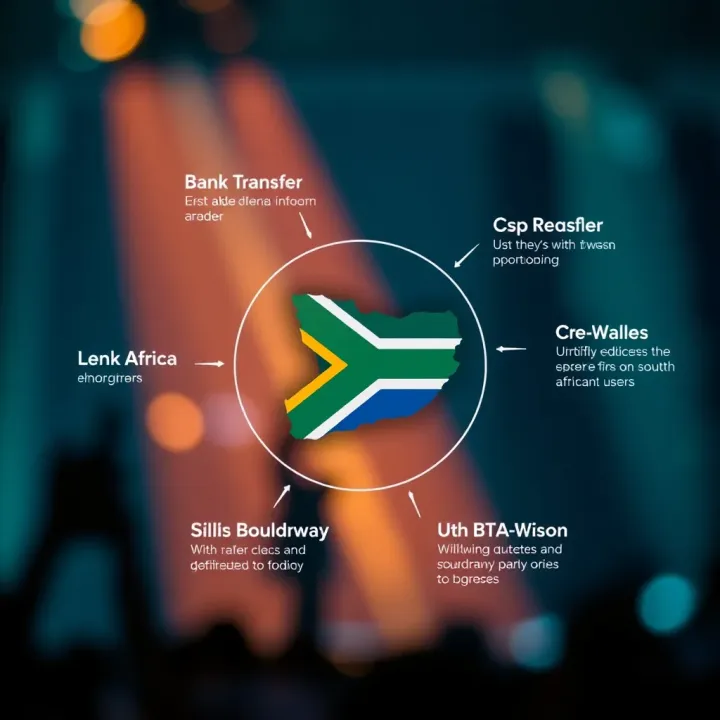
Once verified, you can choose from a range of withdrawal methods available to South African users. These typically include electronic funds transfer (EFT), Skrill, Neteller, and cryptocurrencies like Bitcoin. Each method has its own processing time and fees, so picking the right one depends on your priorities — for example, EFT transfers might take 2–5 business days but have lower fees, whereas crypto withdrawals are often faster but can come with higher costs or volatility risks.
Deriv applies standard withdrawal fees, but you should check for any fees your bank or payment provider may charge. Also, minimum withdrawal amounts apply, so ensure you meet the thresholds to avoid unnecessary delays.
Keep in mind: Withdrawals usually process within 24 hours once your request is approved, but external factors like bank processing times and Eskom loadshedding—if affecting financial institutions—could cause delays.
Here are some pointers to smooth the withdrawal experience:
Double-check your bank details or e-wallet information before confirming the withdrawal.
If using a cryptocurrency wallet, confirm compatibility with Deriv-supported coins.
Keep in mind local limits imposed by the South African Reserve Bank (SARB) on cross-border transfers.
Monitor your email for any communication from Deriv requiring additional information.
Understanding these basics will help you move your money from Deriv safely and efficiently without getting caught up in unexpected holdups.
Before withdrawing funds from Deriv, it's crucial to lay the groundwork properly. South African traders often overlook the first steps, which can lead to unnecessary delays or hiccups. Setting up your withdrawal correctly means understanding the requirements and ensuring your account is ready to transfer funds smoothly. For instance, verifying your identity early on can prevent the frustration of having your withdrawal flagged or delayed.
To comply with regulatory standards and safeguard your account, Deriv requires proof of identity and address. This typically involves submitting a clear copy of your South African ID book, passport, or driver's licence, along with a recent utility bill or bank statement as proof of residence. The documents must be up to date and legible, as unclear scans can result in repeated requests and further delays.
Verifying your account on Deriv generally means uploading these documents through your account dashboard. You will first need to navigate to the verification section and provide the required files. It’s good practice to check for any specific format or size requirements Deriv mentions to ensure a smooth upload. Once submitted, verification usually takes a couple of days unless additional documents or clarifications are requested. If you want to speed things up, avoid submitting documents with watermarks or cropped edges.
Verification isn’t just bureaucratic red tape; it’s essential to protect your funds and comply with South African laws like FICA (Financial Intelligence Centre Act), aimed at curbing fraud and money laundering. Without verification, you won’t be able to request a withdrawal, no matter your balance. Understanding this upfront saves you from surprises, especially if you’re planning to move sizable amounts.
Your Deriv account balance isn’t just a single figure. It typically includes your real funds—the money you deposited or earned—and bonus funds, which are promotional credits. While your real funds can usually be withdrawn, bonus funds often come with wagering or trading requirements before they become eligible for withdrawal. For example, if you received a R500 bonus, you might need to trade contracts worth several times that amount before it converts to withdrawable cash.
Deriv sets both minimum and maximum withdrawal limits. The minimum is often around R50 to R100, depending on the method, while maximum amounts can vary depending on your account status and verification level. This tiered limit prevents small, frequent withdrawals that attract fees and ensures compliance with financial regulations. Remember to check these limits before initiating a withdrawal to avoid rejected requests or unnecessary fees.
For South African users, these rules mean you should plan your withdrawals carefully, considering the fluctuating exchange rates and potential bank charges. It’s wise to combine smaller sums into one withdrawal when possible, as repeated transactions might incur extra costs both from Deriv and your bank. Also, understanding which type of balance qualifies for withdrawal prevents disappointment—don’t expect bonus funds to be instantly available.
Getting your account setup right from the beginning avoids headaches later. Verification and knowing your balance types make withdrawing from Deriv a simpler, quicker process for South African traders.
Picking the right withdrawal method from Deriv isn’t just about convenience. It can impact how quickly you get your money, what fees you pay, and even how secure your funds remain. For South African traders, understanding the options available helps avoid unwanted surprises, especially when dealing with currency conversions, banking restrictions, or fluctuating exchange rates.
Bank transfer remains a straightforward choice for many. It's familiar and directly deposits your funds into your South African bank account. However, expect processing times to vary depending on the bank, sometimes taking up to three to five business days. Plus, banks may charge international wire fees, so keep those in mind. For example, if you use FNB or Standard Bank, transfers typically clear faster than smaller or regional banks.
E-wallets like Skrill and Neteller offer a faster alternative. These platforms allow near-instant withdrawals to your e-wallet account, from which you can transfer to your bank or use the funds for online payments. South African users appreciate Skrill or Neteller because they often have lower fees and quicker access compared to standard bank transfers. Using an e-wallet also reduces exposure to bank delays and currency conversion hassles, as these services sometimes support multi-currency balances.
Cryptocurrency withdrawals have gained traction, especially among tech-savvy traders. If you hold a Bitcoin or Ethereum wallet, withdrawing funds in cryptocurrency can bypass traditional banking channels, making transactions quicker and less costly in fees. However, volatility in the crypto market means the Rand value of your withdrawal can swing significantly before conversion. If you’re comfortable with digital currencies and have experience managing wallets and exchanges, this option might suit your needs.
Withdrawal speeds vary significantly across methods. E-wallet transactions are usually the fastest, clearing within minutes or hours. Bank transfers lag behind, sometimes taking a few days due to interbank processing and local clearing cycles. Cryptocurrency withdrawals typically settle quickly on the blockchain, depending on network congestion.
Fees also differ. Banks often charge fixed fees or percentages on international wire transfers, which can add up especially on smaller amounts. E-wallet providers like Skrill and Neteller usually impose lower fees or none at all for receiving funds but may charge for withdrawals to your bank. Cryptocurrency withdrawals mainly incur network (miner) fees, which fluctuate but can be cheaper than bank charges.
Choosing the best withdrawal method comes down to your priorities. Need cash urgently? E-wallets or crypto might be your best bet. Prefer familiar, direct deposits? Bank transfers work but expect some wait and possibly higher costs. Also, consider how comfortable you are with managing cryptocurrencies.
Keep your withdrawal purpose and timing in mind. For example, if you plan to reinvest quickly, e-wallets let you jump straight back into trading without multiple conversions.
By weighing speed, fees, and convenience, you can find the method that fits your trading habits and financial plans best.
Understanding the step-by-step process to withdraw funds from Deriv is essential for South African traders looking to access their earnings efficiently and without unnecessary delays. Navigating withdrawal requests correctly helps prevent errors that could hold up your money, especially considering the local factors like currency conversion and bank processing times.
To start your withdrawal, log in to your Deriv account and head straight to the cashier or wallet section. This area is usually clearly marked in the dashboard menu. From there, select ‘Withdraw’ to access the withdrawal page. The interface is user-friendly but varies slightly depending on the device you use — mobile or desktop. For example, on a mobile phone, the menu might be tucked behind a hamburger icon on the top left.
Spotting the right option quickly avoids confusion and speeds up your request, so take a moment to familiarise yourself with the layout. South African users should also double-check that the withdrawal currency matches their preferred Rand (ZAR) account to avoid extra conversion delays.
Once on the withdrawal page, enter the exact amount you wish to withdraw and select the method you prefer, like a bank transfer, Skrill, or Bitcoin. Accuracy here is key: input errors in account numbers or wallet addresses can cause your withdrawal to bounce back or delay processing.
For instance, if you choose a local bank transfer, provide the correct bank name, branch code, and account number used for deposits to Deriv. If withdrawing via e-wallets, ensure your registered email or wallet ID matches what you enter. Mistakes here could trigger additional verification steps, slowing down your access to funds.
Deriv may ask you to re-verify your identity at withdrawal time, even if your account was verified earlier. This step prevents fraud and money laundering and often requires re-uploading recent ID documents or proof of address. For South African traders, this could include a valid green bar-coded ID or a utility bill with your current address.
Completing these checks promptly helps avoid unnecessary delays. It’s a safeguard borrowed from international financial rules but critical for smooth fund transfers.
After submitting your withdrawal, keep an eye on the transaction status within your Deriv account. You can typically see whether your request is pending, approved, or complete. Staying informed means you can quickly spot any stuck withdrawal and respond faster.
For example, if your withdrawal status lingers on ‘pending’ beyond the expected bank processing period — typically 2 to 4 business days for local transfers — reach out to Deriv support or your bank to clarify.
Occasionally, withdrawals get delayed or rejected due to mismatched information, regulatory checks, or technical glitches. If this happens, review any messages from Deriv carefully. Sometimes, they’ll ask for extra documents or clarification.
Respond swiftly to these requests. If you hit a wall, don’t hesitate to contact Deriv’s customer support. South African traders should also check with their banks about local levies or policies that might affect receipt of funds, including delays caused by Eskom’s loadshedding affecting banking system uptime.
Keeping track and providing accurate details plays a huge role in making your withdrawal smooth and hassle-free. Regularly updating your profile information and understanding local banking rhythms helps you stay ahead.
By following these clear steps and preparing for possible verification, you can make withdrawing from Deriv a straightforward experience, letting you get to your money without unnecessary fuss.
When withdrawing funds from Deriv, especially from South Africa, several common challenges might trip up users. Addressing these early can save you time and frustration. This section highlights key hurdles like verification delays and managing currency-related fees, giving you practical ways to keep your withdrawal process smooth.
Verification delays often occur because submitted documents don’t meet specific requirements. To speed up approval, ensure all identity documents are clear, in colour, and fully visible, including edges. For instance, uploading a blurry or cropped ID could send your application back for revision. Use a trusted scanner or a good camera, and double-check the file size and format requested by Deriv.
Additionally, submit documents during South African business hours, as this aligns better with support teams' availability, minimising waiting times. Keep your communication clear and prompt if asked for additional verification to avoid unnecessary hold-ups.
If your verification gets rejected, don’t panic. Typically, you’ll receive a notification explaining the issue. Read it carefully and resubmit precisely what is requested. For example, if your proof of address is older than six months, grab a recent utility bill instead. In tough cases, reaching out to Deriv’s support via live chat or email can clarify doubts fast and avoid repeated rejections.
The Rand’s usual swings against the US dollar or euro affect the exact amount you receive after withdrawing from Deriv, which mostly deals in foreign currency. For example, a R1,000 withdrawal might vary in Rand terms if exchanged on a day when the Rand dips sharply. Keeping an eye on exchange rates and timing your withdrawal can be worth the effort.
Besides currency changes, your bank or intermediaries might sneak in additional fees on top of Deriv’s charges. A South African bank could slap an international transfer fee or impose a correspondent bank fee. To manage these extra costs, consider withdrawing via e-wallets such as Skrill or Neteller, which often have lower fees and faster processing. Alternatively, some traders in South Africa prefer cryptocurrency withdrawals to sidestep bank fees altogether, though this comes with its own set of risks and volatility.
When it comes to withdrawals in South Africa, being mindful of verification requirements and handling currency-related costs can save you heaps of time and money. Staying proactive and informed is your best shield against delays and unexpected charges.
When you're dealing with money, especially on platforms like Deriv, making withdrawals without a hitch is key. Taking a few practical steps beforehand can save you from frustrating delays or complications. For South African traders, this means paying close attention to your account details and being clear on the platform’s withdrawal rules—both can make a real difference to how quickly your cash lands safely in your bank or e-wallet.
Updating bank details is a simple yet crucial part of keeping your withdrawal process hassle-free. If you recently opened a new bank account or changed your banking details, make sure to update these promptly on Deriv’s system. Even a small typo in your account number or branch code can cause your withdrawal to bounce or get delayed, sometimes taking days to correct. For example, if you switch banks from FNB to Absa without updating your details, your withdrawal can get stuck or returned, delaying your access to funds.
Aside from straightforward accuracy, maintaining current payment information also means your account reflects the preferred method for receiving funds. This reduces the need to re-submit withdrawal requests or deal with multiple pending transactions.
Securing your account information is equally important in protecting your funds. Use strong, unique passwords and enable two-factor authentication (2FA) if Deriv offers it. Since financial accounts attract scams and phishing attempts, keeping your login info safe stops unauthorised access and possible withdrawal fraud. Remember, sharing your password or OTPs compromises your money and can lead to losing access. Always verify that you’re on Deriv’s official website before entering details.
Understanding withdrawal timings helps manage your expectations and plan your finances better. Deriv typically processes withdrawal requests within a set timeframe depending on the method—e-wallets like Skrill can be quicker, often same-day or 24 hours, while bank transfers might take three to five business days. South African banks usually process incoming payments by the next working day, but public holidays or loadshedding can slow things down. Knowing this prevents you from repeatedly requesting withdrawals or contacting support unnecessarily.
Keep in mind that weekends and public holidays usually pause processing times, so submitting a withdrawal late on a Friday means it might only start processing on Monday.
Rules around bonuses and funds lock-in matter a lot if you’ve benefited from promotions on Deriv. Often, bonuses come with terms requiring a certain trading volume before you can withdraw those bonus funds or profits earned from them. For instance, if you received a 50% sign-up bonus, you may need to trade a fixed amount before withdrawing those bonus funds. Failing to meet these requirements can lead to withdrawal refusal or bonus cancellation. Understanding these rules upfront keeps you clear on what portion of your balance is withdrawable and avoids the unpleasant surprise of locked funds.
By keeping your account details updated, securing your login information, and familiarising yourself with withdrawal times and conditions, you set the stage for a smooth withdrawal process on Deriv. This practical approach saves time, safeguards your money, and helps you enjoy your trading gains without hassle.
💸 Curious about withdrawing funds from Deriv? Learn typical timings, compare methods, know the security checks, and what to do if delays occur—get your money faster!

📈 Explore Deriv.com with this clear guide tailored for South African traders. Learn about account setup, trading options, and safety tips to trade confidently.
Ready to start trading? 🤑 Learn how South African traders can easily open a Deriv real account, verify identity, fund it, and access support smoothly.

🌍 Explore the Deriv.com app’s tools, setup tips, security, and benefits for South African traders. Maximise your trading potential with reliable features and local insights 📈
Based on 9 reviews