
Choosing the Right Forex Signals App in South Africa
📈 Discover how forex signals apps work, what to look for, and the risks involved. Tailored advice for South African traders aiming for smarter, safer trades.
Edited By
Sophia Mitchell
Forex signals on Telegram have carved a niche among South African traders seeking quick market tips without spending hours stuck in front of charts. These signals are essentially trade alerts sent to your Telegram app, suggesting entry points, stop-loss limits, and take-profit targets. While they promise convenience, not all signals are reliable or suited to our local climate of frequent market swings and volatile rand exchange rates.
Finding the best forex signals on Telegram depends on spotting providers who prioritise accuracy and transparency. Many signal groups flaunt high win rates, but digging beyond flashy claims can reveal the true consistency of their tips. For example, a provider that openly shares past trades, including losses, gives you a clearer picture of their edge.
Risk management is another crucial factor. A good provider will include advice on position sizing and will emphasise protecting your capital over chasing unrealistic gains. This is especially important for South Africans because the local market can react sharply to economic news or Eskom’s load shedding stages, impacting forex volatility.
Compatibility with your broker is often overlooked but worth checking. Some signals may assume fast execution or specific trading platforms that aren't always available locally. Make sure the signal provider’s recommended trade setups align with your broker’s offerings to avoid execution delays or slippage.
Cost structures vary widely—from free groups that might flood chats with low-quality tips, to premium services charging upwards of R1,000 a month. Assess whether the cost matches the value, considering your trading budget and goals. Remember, paying upfront without trial access or performance proof can feel like throwing money down the drain.
When choosing forex signals, practical usability must top theoretical accuracy. To illustrate, a signal promising a 90% win rate loses its edge if available too late for you to act in South Africa’s trading hours.
In summary, tapping into forex signals on Telegram can be a useful tool, but only when you carefully vet providers for proven track records, sound risk strategies, broker fit and fair pricing. This sharp approach will help you navigate the crowded signal space and pick alerts that support steady, localised trading success.
Getting a grasp on forex signals via Telegram is a practical step for South African traders looking to sharpen their market decisions. These signals help cut through the noise, offering timely cues about when to enter or exit trades, saving you from hours of chart analysis. For example, if a signal suggests going long on the EUR/USD at 1.1100 with a stop-loss at 1.1080, you get a clear framework to act on without guessing.
Forex signals are suggestions or trade alerts that include details such as entry points, stop-losses, and take-profit targets. Their key purpose is to guide traders on when to buy or sell currency pairs, aiding timely decisions especially for busy traders or those still learning the ropes.
Signal providers typically analyse currency markets through a mix of technical indicators like moving averages, RSI (Relative Strength Index), or Fibonacci retracements, alongside fundamental factors such as economic data releases or geopolitical events. They look for patterns or triggers that historically suggest profitable moves. For instance, spotting a bullish divergence on the USD/ZAR chart combined with positive South African economic data might trigger a buy signal.
Signals usually come with clear instructions: an entry price where you open a position, a stop-loss level to limit your losses if things go south, and a take-profit target where you close to secure gains. This structure helps manage risk and keeps trades organised, especially when following signals from Telegram groups or channels.
Telegram has become popular for forex signals because it offers real-time delivery through notifications, ensuring you don’t miss out on market moves. Unlike email, which can lag, Telegram pings users instantly. This speed is vital when trades require execution within minutes to avoid slippage.
The platform’s groups and channels also foster community. You can join South African-specific channels where traders share insights, ask questions, and get a feel for the local market vibe. For instance, lively Telegram groups discuss how load-shedding or rand volatility might impact forex trading strategies.
Besides convenience and speed, Telegram offers solid security. Messages are encrypted, and users can remain anonymous if preferred, preserving privacy. Unlike other social apps, Telegram limits data-sharing with third parties, a plus for traders wary of exposing their strategies or personal info.
In short, understanding the nuts and bolts of forex signals and using Telegram's fast, secure network can help South African traders trade smarter and safer.
Choosing the right forex signal provider is critical to improving your chances of success in the market. For South African traders, the landscape on Telegram offers plenty of options, but not all deliver what they promise. This section breaks down the most important factors to consider so you can avoid costly mistakes.
Reliable providers should back their claims with verifiable performance histories rather than boast vague figures. For instance, a signal service claiming 90% accuracy over two years should provide detailed logs or screenshots of closed trades with entry points, stop-losses, and take-profit outcomes. Without this evidence, you risk following untested signals that might cost more than they gain.
Consistency is just as vital as occasional wins. A provider who scores sporadic big hits but lacks steady profits could expose you to high risk. Ideally, find services that maintain solid win ratios over months, not just a lucky streak. For example, a provider delivering reliable 60-70% win rates monthly is preferable to one with 90% accuracy some months but big losses others.
Third-party verification platforms play a useful role here. Websites that independently track and analyse signal performance can confirm or debunk providers’ claims. They also offer comparative insight into different services. South African traders can look out for signals verified on platforms like Myfxbook or FX Blue, adding an extra layer of credibility.
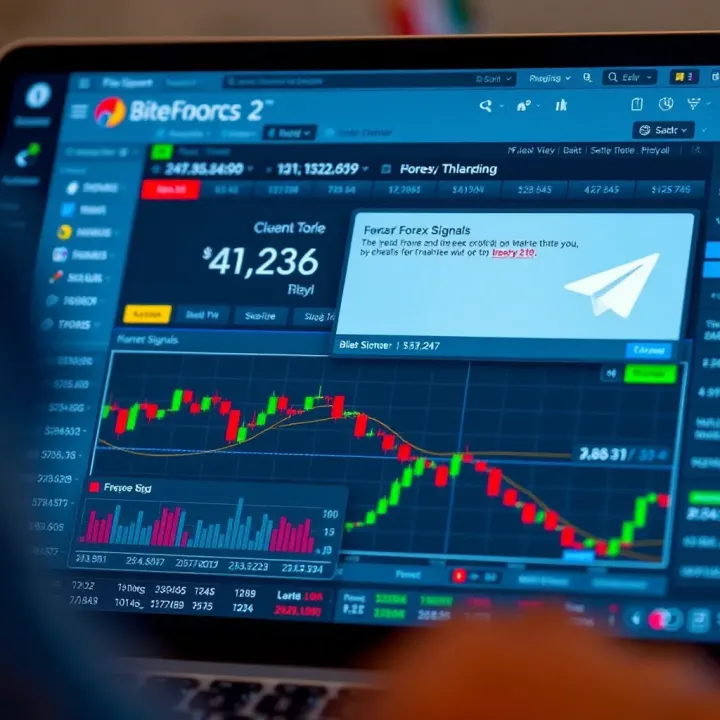
Clear explanation of the trading rationale helps you understand why certain signals are generated. A signal provider that shares their technical or fundamental analysis offers real educational value. For example, explaining why an NZD/ZAR trade is recommended based on economic data releases boosts your trading insight instead of blind following.
Regular updates and support are also important. Signals should come with timely alerts on new trades, market changes, or exiting positions, ensuring you can act swiftly. Good providers keep communication channels open for questions and clarifications, practically a lifeline during volatile sessions.
Equally, open member feedback channels encourage trust. If members can report problems or suggest improvements transparently, it indicates a mature community. It also shows the provider doesn’t shy from scrutiny, which is why you should prefer groups with active admin engagement and constructive discussions.
Stop-loss recommendations form the bedrock of risk control. Signals without clear stop-loss levels can leave you exposed to severe losses during sudden market swings. For example, a EUR/USD signal advising a calculated stop-loss 50 pips away allows you to limit your loss upfront.
Position sizing guidance is another key consideration. Providers who specify the recommended lot size relative to your account balance help prevent reckless overexposure. This is especially crucial for smaller accounts common among South African traders starting with limited capital.
Risk-reward ratios also matter. Signals that aim for trades with potential reward at least twice the risk tend to improve profitability over the long run. A typical example is entering a buy on USD/ZAR with a 30 pip stop-loss but aiming for 60 pips profit. Signals ignoring this principle often increase your chances of ending in the red.
Careful assessment of these criteria helps South African traders avoid scams and poor decisions. Reliable forex signal providers blend accuracy with transparency and solid risk management — essential ingredients for sustainable trading success on Telegram.
Navigating forex signals on Telegram isn’t just about picking the right provider; South African traders face unique practical challenges that affect how signals work in the local trading environment. From understanding broker compatibility to managing costs and staying connected despite load shedding, these factors matter a lot.
South African traders should prioritise working with brokers licensed by the Financial Sector Conduct Authority (FSCA). This ensures the broker adheres to local laws and safeguards, reducing the chance of falling prey to unscrupulous operators. For example, well-known FSCA-licensed brokers like IG Markets and Plus500 provide regulated environments, which give traders peace of mind about their funds and compliance with South African trading standards.
It's also vital that the forex signals you follow fit well with the platforms used by your broker. Different brokers might offer varying leverage options, lots sizes, or require specific order types — a signal strategy effective on one platform could fail on another. For instance, if your broker operates on MetaTrader 4 but your signals assume a platform with different stop-loss functionality, you may find it hard to execute trades accurately.
Watch out for unregulated or offshore brokers that often promise flashy returns but lack proper oversight. These can expose you to risks such as withdrawal delays or unfair spreads. Sticking to FSCA-registered brokers reduces exposure to such pitfalls and aligns your trading with South African financial protections.
Free forex signal services may look tempting, but they often come with strings attached: limited accuracy, delayed signals, or aggressive promotion of paid tiers. Paid services generally offer better accuracy and support but require careful consideration. For instance, a service charging R500 monthly should be compared with the potential returns you expect from following their signals.
Pay attention to subscription models and cancellation terms. Some providers lock you into long-term contracts with hefty penalties if you cancel early, while others offer month-to-month flexibility. Given how volatile forex can be, you want the freedom to opt out if performance dips or if your financial situation changes.
It's smart to weigh the cost of signals against your possible gains. Spending R1,000 monthly on signals may not make sense if you're risking just a few thousand rands on trades. Calculate your risk per trade and expected return to decide if the signal subscription offers real value.
Load shedding poses a real challenge — power cuts can disrupt your access to live signals just when markets move fast. South African traders often need backup plans, like keeping a charged power bank or using a laptop with sufficient battery to stay connected during outages.
Mobile data is another expense to manage. Signals rely on real-time updates, which can consume data, especially if they include charts or voice notes. Switching on data-saving modes in apps or limiting usage to essential notifications helps control costs. For example, traders using MTN or Vodacom can monitor data packs carefully to avoid sudden costs.
Many Telegram signal groups offer offline options such as message downloads or summaries that you can access without internet. Tweaking notification settings to prioritise alerts while the phone is offline ensures you don't miss critical entries or exits once you reconnect.
Remember, efficient connectivity and data management can make or break your forex signal experience in South Africa, especially given load shedding and costly data.
Practical matters often get overlooked but managing these can dramatically improve the effectiveness of using forex signals on Telegram.
Being part of a vibrant forex signal community on Telegram can give South African traders a real edge. These groups and channels offer more than just trading tips — they provide timely market information, localised insights, and peer support. Selecting the right community means gaining consistent, relevant updates alongside a network to discuss market movements and strategies.
Community size and activity levels play a key role. Larger groups usually mean more signals and diverse viewpoints, but sometimes the noise can be overwhelming if messages flood in relentlessly. On the flip side, smaller groups may offer more focused interactions and a stronger sense of community. Look for groups that maintain steady activity throughout the trading day, especially during major session overlaps like London and New York, to keep up with market swings affecting the rand and other local currencies.
When it comes to local market insights and news, South African-focused groups shine. They often pick up on developments that international channels might miss — think SARB interest rate decisions, political updates from Pretoria, or Eskom announcements affecting markets. This local flavour helps traders make sense of market reactions in a context that matters to them.
Peer discussions and member support are a valuable bonus. Many groups welcome questions from newbies and provide explanations behind signals. This community vibe encourages learning and helps avoid impulsive trading decisions. For instance, someone might flag a sudden rand weakness due to an unexpected GDP release, sparking useful debate. This collective wisdom helps traders avoid feeling like lone wolves.
International channels often boast a reputation among global users based on years of proven signals and transparent performance records. Traders in South Africa can benefit from broader market perspectives and sophisticated analysis that go beyond rand-centric views. Providers like ForexSignals or 1000pip Builder have built trust worldwide through consistent messaging and verifiable results.
However, their adaptability to South African market hours is crucial. Forex markets are global, but trading volumes peak during certain windows. Some international providers tailor signals around major sessions, including London, where the rand sees heavy action. Subscribing to providers active during South African peak hours helps you catch timely opportunities.
Finally, multilingual support and analysis matters for local users who may prefer explanations in isiZulu, Afrikaans, or other languages. Channels that offer diverse language options or simple, clear English commentary lower the entry barrier. They make technical jargon more digestible, fostering better understanding and more confident trading.
Joining the right Telegram forex signal community involves balancing size, local relevance, and signal legitimacy. Thoughtful selection helps South African traders stay informed and supported in a fast-moving market environment.
Integrating forex signals from Telegram into your trading approach can save time and improve decision-making, but only if done thoughtfully. Rather than blindly following every tip, traders should use signals as supportive tools to complement personal research and risk management. This section outlines how to use signals effectively alongside other trading methods, highlighting important lessons and common traps.
Forex signals often include entry, stop-loss, and take-profit levels, accompanied by reasoning behind each trade. Analysing the rationale—from technical chart patterns to economic events—not only clarifies why a trade is recommended but also sharpens your market understanding. For instance, when a signal explains a short trade based on a resistance level holding on the USD/ZAR, you can check the chart yourself, spotting similar setups in future.
Over time, exposure to multiple signals helps build familiarity with recurring market patterns specific to pairs like EUR/USD or GBP/ZAR. Noticing how certain indicators behave before price reversals trains you to anticipate moves. This builds muscle memory and confidence, enabling you to spot opportunities independently rather than waiting for signals.
Ultimately, the goal is developing independent trade judgement. Signals should form part of your education rather than the sole decision-maker. Gradually, you’ll learn when to trust signals and when to skip or adjust them based on your own analysis. For example, if a signal suggests a trade contradicting your reading of recent economic news or a strong trend, you might modify your take-profit or avoid entering altogether.
Aligning signals with your own technical and fundamental analysis strengthens trade decisions. Suppose a Telegram signal advises a long EUR/USD position coinciding with strong European economic data and bullish chart indicators; this double confirmation boosts confidence. Conversely, ignoring signals that clash with key fundamentals or technical setups helps avoid losses.
Automating entry and exit points using trading platforms connected to your broker can efficiently execute signal-based trades. Tools like MetaTrader 4 or TradingView allow users to program alerts or even automated trades when price reaches specified levels in the signal. This reduces emotional trading and enhances speed, critical during fast-moving sessions.
Risk control remains vital. Combining signals with clear position size guidelines, and spreading exposure across several currency pairs prevents blowing your account on one errant trade. Think of your trading portfolio like a braai; you wouldn’t put all the wors on one fire, but spread it out for an even cook. The same applies here—diversify to manage risk.
Over-reliance on forex signals can dull your trading skills. Simply copying every call may seem tempting but often leads to missed learning and poor risk management. For example, a signal might work in a trending market but falter in choppier conditions where your judgement is needed most.
Be wary of scams offering unrealistic guaranteed profits. Legitimate signal providers will never promise consistent 100% wins. Red flags include demands for large upfront fees or pushy sales tactics. Always demand verifiable track records and watch out for hype.
Track the performance of signals you use by maintaining your own log of trades, profits, and losses. This helps you identify which providers fit your style or need adjustments in strategy. For instance, if you notice signals perform poorly during South African market hours or around Eskom load shedding periods when data is patchy, you can adjust or pause accordingly.
Use forex signals as guides, not gospel. Combine clear analysis, good risk management, and ongoing learning to make the most of Telegram’s offerings in your trading.
By following these principles, South African traders can make smarter, more confident moves in the forex market. Adopting signals as part of a balanced strategy keeps you active in learning, cautious with risk, and ready for the next trading opportunity.
📈 Discover how forex signals apps work, what to look for, and the risks involved. Tailored advice for South African traders aiming for smarter, safer trades.

🌍 Find the best times to trade forex from South Africa! Learn key sessions, global overlaps, and smart risk tips to boost your trading success 🇿🇦📊
💰 Discover South Africa's top forex traders, their earnings, strategies, and challenges. Learn how forex shapes the local market and investor success.
📉 Explore the forex complex in South Africa: structure, key players, currency pairs, and the impact of economics and politics on trading strategies and risks.
Based on 12 reviews