
How to Trade the Step Index in South Africa
📈 Discover practical tips for South African traders on how to trade the Step Index effectively. Learn strategies, risk management, and navigate trading platforms with confidence.
Edited By
Henry Morrison
Timing matters in forex trading, especially when you’re trading from South Africa (SAST, UTC+2). Forex is open 24 hours, but liquidity and volatility vary depending on which markets are active. Knowing when to trade can mean the difference between catching good price moves or sitting out dull periods with little potential.
South African traders need to consider the main global forex sessions: Tokyo, London, and New York. These sessions overlap at times, creating windows with higher trading volumes and more market activity—ideal conditions for taking advantage of tighter spreads and bigger moves. For example, the London-New York overlap tends to have the highest volatility and volume, occurring from 3 pm to 7 pm SAST.
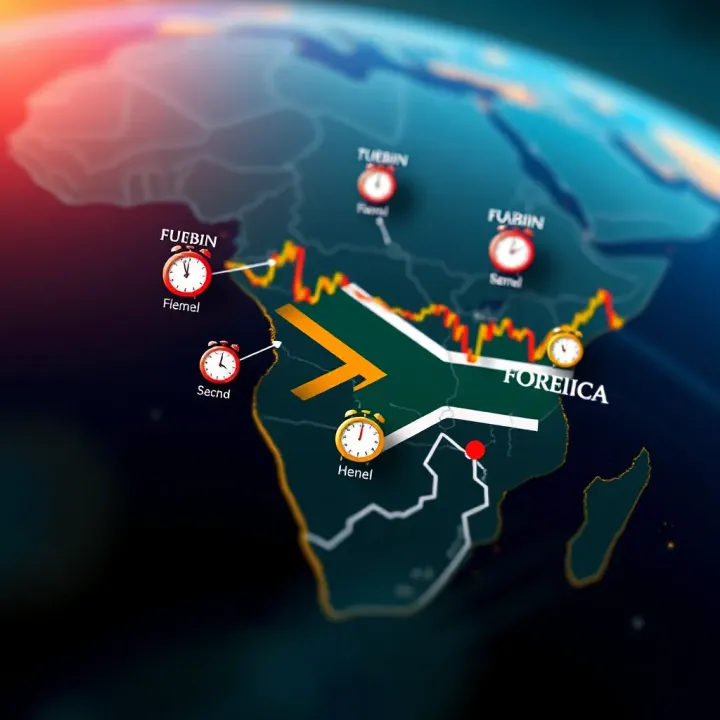
On the flip side, quieter periods, like the Tokyo session when South Africa is nearing midnight, tend to have less price movement and wider spreads. Most retail traders find these times less favourable for active trading unless exploiting specific strategies like scalping during reduced volatility.
Trading forex without aligning to global market hours is like trying to surf when there are no waves—possible but far less effective.
Practical tips for South African traders include:
Plan trades primarily during London and New York sessions for more predictable volatility.
Use economic calendars to track key news releases that often cause spikes.
Adjust your trading times during daylight saving changes, since South Africa doesn’t observe it but UK and US markets do.
Keep in mind that Eskom loadshedding can disrupt your internet or electricity, so have backup plans like data bundles and UPS during peak trading hours.
Understanding these time zones and sessions helps South African forex traders optimise their entry and exit points while managing risk appropriately. It’s not just about when the market is open; it’s about when it’s worth trading.
Knowing the ins and outs of forex trading hours is essential for any trader, especially if you're trading from South Africa. Forex operates 24 hours a day across different global markets, but not all hours offer the same trading conditions or opportunities. For instance, liquidity and volatility tend to shift depending on which market sessions are open, and when markets overlap, activity usually picks up.
The forex market is divided primarily into four trading sessions: Tokyo, London, New York, and Sydney. Each session reflects the active business hours of its financial centre and influences the currency pairs linked to its region.
The Tokyo session runs from about 9 am to 6 pm local time, which translates roughly to 3 am to 12 pm SAST. It’s the main period when Asian currencies like the yen (JPY) are most active. For South African traders interested in pairs like ZAR/JPY or USD/JPY, early morning trading can reveal movements driven by Asian market news. However, volatility during this session is often lower compared to London or New York, meaning risk may be reduced but so are chances of quick profits.
The London session is arguably the most significant in global forex trading, opening around 8 am and closing at 5 pm GMT (which is 10 am to 7 pm SAST). This session overlaps somewhat with both Tokyo closing and New York opening, creating some of the highest liquidity periods of the day. The rand (ZAR) often sees increased activity during London hours because many major financial institutions operate then. Price movements can be sharper, giving traders more chances to capitalise on swings.
Opening at 8 am and closing at 5 pm Eastern Time, the New York session runs roughly from 3 pm to 12 am SAST. This session is crucial because it overlaps with the London session for a few hours in the afternoon, often leading to the most volatile trading periods globally. Currency pairs involving the US dollar (USD), such as USD/ZAR or EUR/USD, get particularly active. If you can trade late in the evening, this session offers solid trading potential.
The Sydney session takes place from 10 pm to 7 am local time, which corresponds to 2 am to 11 am SAST. Though it’s the smallest in terms of volume, it sets the tone for the Asian markets to come. Activity is generally light, but early risers in South Africa can catch some opportunities in AUD/ZAR or NZD/ZAR pairs. The Sydney session is less volatile, making it more suitable for cautious strategies.
When two trading sessions overlap, market liquidity surges, which tends to reduce spreads and increase trade volume. The London-New York overlap (3 pm to 7 pm SAST) is the busiest and most active. Traders often find that this period presents their best shot at entering or exiting positions swiftly without massive slippage.
Volatility tends to spike during these overlaps, creating both opportunity and risk. While it’s exciting to trade during such hours due to rapid price moves, unprepared traders might get caught off-guard. It’s wise to use tighter stop-loss orders or reduce trade sizes during these times.
South Africa follows SAST year-round without daylight saving time adjustments. That said, forex market hours shift due to daylight saving in countries like the UK and the US. For example, London’s session opening moves from 10 am SAST during winter months to 9 am SAST in summer months when the UK advances clocks. Being aware of such shifts is critical to align your trading schedule properly.
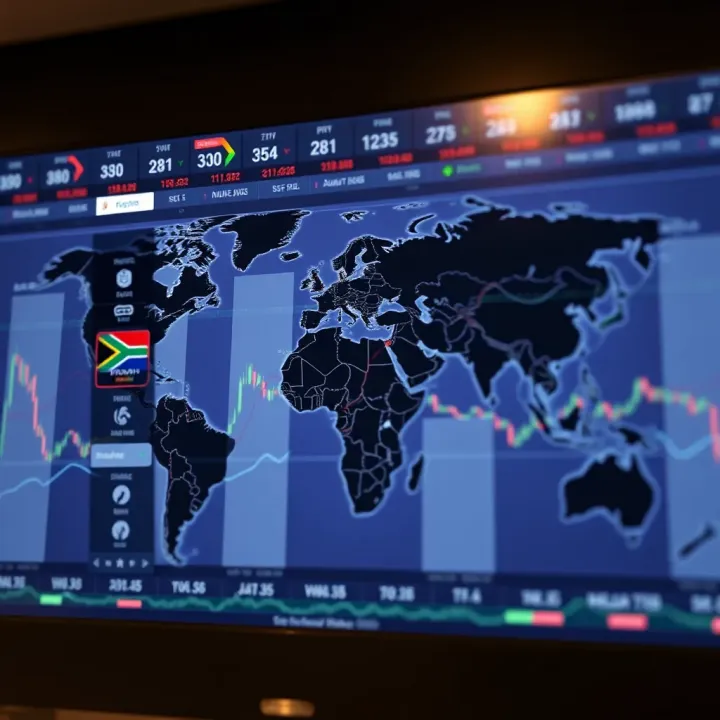
Mapping global sessions to SAST allows South African traders to plan trades in line with peak market activity. For instance, if you prefer daytime trading, you might focus on the London session. If you can trade late, the New York session’s overlap with London could be your sweet spot. By adjusting for daylight saving and knowing exact opening and closing times, you can catch opportunities without staying up in the dead of night unnecessarily.
Understanding these session timings gives you more than just clock-watching skills – it helps you optimise your trading window, manage risk better, and ultimately improve your chances of success in the forex market from South Africa.
Trading forex successfully from South Africa means understanding when the market is most active and liquid. Certain periods during the trading day give you the best chances for tighter spreads, more price movements, and clearer trends. Focusing on these key windows helps you avoid the quiet stretches where trades often go sideways or spreads blow out.
The brief period when the London and New York forex markets both operate, generally between 3 pm and 6 pm SAST, is a hotspot for currency action. This overlap matters because both markets contribute huge volumes, combining European and American financial flows. For local traders, this means more trading opportunities and faster price moves.
During this overlap, you’ll often see higher liquidity and smaller spreads, making it cheaper and easier to enter or exit trades. Currency pairs involving USD, EUR, and GBP become particularly active. For example, EUR/USD often shows clear price trends accompanied by sharp spikes. That said, sudden volatility can increase around key US economic releases like the Non-farm Payrolls. So you get both opportunity and risk, which requires disciplined trade management.
The Tokyo session runs roughly from midnight to 9 am SAST. This period is especially relevant if you trade Asian currency pairs such as USD/JPY, AUD/JPY, and NZD/JPY. Since Tokyo anchors this session, expect more reliable price action for these currencies. Processing news or economic updates from Japan, Australia, or New Zealand can also affect volatility here.
The Tokyo session generally has lower volatility compared to the European and US overlaps. This can suit traders who prefer steadier moves and less erratic price action. For example, swing traders might find it better to avoid sharp intraday fluctuations during this time. But keep in mind, overnight news or geopolitical developments can occasionally trigger sudden moves.
Outside major sessions and overlaps, liquidity drops significantly. The period from about 9 am to 3 pm SAST, when most of the big markets are closed or quiet, is considered off-peak. During this time, thinner order books can result in slower price action and more erratic behaviour. For South African traders, this usually means higher trading costs and less reliable signals.
Low liquidity often leads brokers to widen spreads, making entering or exiting trades more expensive. Price may also jump unpredictably due to a single large order or sudden news, setting traps for the unwary. During these quiet periods, avoid overtrading or chasing poor setups – patience pays off.
Timing your trades for high-liquidity sessions in South Africa reduces costs and improves trade execution, ultimately boosting your chances for consistent success.
By sticking close to key sessions and overlaps like the London-New York window and being mindful of quiet stretches, you can trade smarter and protect your capital from unnecessary risks.
Trading forex from South Africa isn't just about knowing global market hours. Local factors can influence the best moments to enter or exit trades, especially when the rand (ZAR) comes into play. Understanding these elements can help you time your trades better and avoid unnecessary risks.
South African economic indicators can move the ZAR quite a lot. Reports like inflation rates, GDP figures, or unemployment stats often lead to sharp price swings in currency pairs involving the rand. For example, if statistics show unexpectedly high inflation, traders might anticipate interest rate hikes from the South African Reserve Bank (SARB), making the ZAR stronger against other currencies.
Synchronising your trades with these data releases means planning ahead. Since economic reports are published at set times, you can avoid getting caught in sudden volatility or instead position yourself to benefit from momentum moves. If a key report is due at 9:00 am SAST, for instance, you might choose to close open positions beforehand or tighten stop losses. This kind of timing can safeguard your capital when the market feels unpredictable.
Major announcements from global players like the US Federal Reserve, European Central Bank, or Bank of England also influence forex prices in South Africa. When these central banks change interest rates or shift monetary policies, the ripple effect often reaches the rand. For instance, a surprise rate increase by the Fed typically strengthens the US dollar, which could put pressure on the ZAR/USD pair.
On top of banking news, geopolitical developments such as elections, trade disputes, or conflicts affect forex markets worldwide. Political uncertainty tends to drive risk-averse behaviour, pushing investors towards "safe-haven" currencies like the US dollar or Swiss franc. For South African traders, keeping an eye on such events helps avoid being blindsided by rapid moves that can wipe out gains quickly.
Using stop-loss orders is a must when trading during volatile periods. A stop-loss automatically exits a trade if the price moves against you by a certain amount, limiting potential losses. For example, if the rand suddenly drops due to unexpected news, a well-set stop-loss can prevent a minor setback from growing into a major drawdown.
Besides stops, adjusting trade sizes according to market conditions proves beneficial. When volatility spikes around key announcements, smaller trade sizes reduce exposure and help protect your account balance. Conversely, during calmer market hours, you might decide to increase sizes slightly. This approach helps manage risk better while making the most of trading opportunities.
Timing your trades based on both local economic data and global events, paired with smart risk management, can improve your chances of success on the forex market here in South Africa.
Overall, staying alert to what moves the rand and adapting your trading accordingly gives you a solid edge. Whether it’s avoiding the rush around data releases or scaling back during geopolitical uncertainty, these factors shape the best times to trade forex locally.
Timing is everything in forex trading, especially when you’re operating from South Africa’s time zone. The global forex market moves 24/5, but knowing when to punch in and out can save you from erratic price swings and poor liquidity. This section offers practical advice tailored for South African traders who want to make the most of their hours without throwing their daily lives out of balance.
Balancing your trading with daily commitments is a no-brainer but often overlooked. Many traders try to chase every market twitch, ending up burnt out or distracted during key home activities. For example, if you work a day job, sticking to the London-New York session overlap between 3 pm and 9 pm SAST might suit you best. That’s when the market is most active and offers better price moves, making your trading time efficient without sacrificing family dinners or gym sessions.
Using session indicators on trading platforms can seriously help. These tools show you when different forex markets open and close, often adjusting for your local time automatically. Think of it as a smart reminder nudging you towards periods of higher liquidity and volatility. For someone trading pairs like EUR/ZAR or USD/ZAR, knowing exactly when the London or New York session starts in SAST ensures you don’t miss critical moves tied to economic news or significant order flows.
Mobile apps and alerts are a solid way to stay in the forex loop without being glued to your screen. Apps like MetaTrader or TradingView can send you notifications when key sessions begin or when volatility spikes. This means you can keep tabs on the market during errands or while waiting in a queue, ready to jump in when conditions are ripe.
Automated trading tools or forex bots also play a part in smart timing. These tools can open and close trades based on pre-set conditions like market time or price levels, saving you from FOMO or missing out due to timezone mismatches. A beginner South African trader, for instance, could set a bot to trade only during the London-New York overlap and sidestep low-liquidity hours, protecting capital by reducing exposure when spreads widen unpredictably.
Trading during low liquidity periods often leads to slipping orders and wild price changes. Picture trying to buy a limited stock on a quiet Sunday afternoon; prices can go haywire, and it gets costly. In forex, the same applies during session gaps or outside main market hours. South African traders should be wary, especially outside 3 pm to 11 pm SAST, when activity is usually thin and spreads blow out.
Misunderstanding session overlaps is another trap. Many wrongly assume that all overlaps guarantee high liquidity or strong trends. While the London-New York overlap is usually lively, the Sydney-Tokyo overlap might not offer the same scope for trading ZAR pairs. This matters because misreading these overlaps can lead to entering trades in sluggish markets, increasing the chance of losses due to choppy moves or false breakouts.
Practising smart timing means recognising when the market gives you an edge and when it's better to step back. For South African traders, aligning your schedule and tools with global forex hours isn’t just helpful—it’s essential for consistent results.
This practical approach rooted in daily reality helps you stay sharp, save time, and ultimately, trade smarter, not harder.
Timing your trades well can make a significant difference when dealing with the forex market, especially from a South African viewpoint. The main takeaway is to align your trading activities with periods of high market activity when liquidity and volatility suit your goals. For instance, the overlap between the London and New York sessions offers plenty of opportunities for trades with tighter spreads and clearer price movements.
Understanding the rhythm of global forex markets helps you pick trading hours that fit your strategy. For South African traders, the London-New York overlap happens during the afternoon local time, which often means more volatile and liquid markets. For example, the EUR/USD and GBP/USD pairs tend to see significant movements between 3 pm and 7 pm SAST. On the other hand, the early Tokyo session might present quieter markets but could be ideal for Asian currency pairs like USD/JPY or AUD/USD when you prefer less turbulent price action. Practically speaking, trading during peak hours reduces the cost of spreads and slippage, giving you a clearer picture of market trends.
Your choice of trading hours should reflect your personal style and daily routine. If you’re a full-time trader, you can afford to focus on high-volatility overlaps to capitalise on quick price swings. But if you trade part-time, say after office hours or during lunch breaks, focusing on Asian or early London sessions might suit better since these times can be less hectic. For longer-term traders, the exact timing might be less critical, but keeping an eye on sessions when major economic announcements happen can help you plan entries and exits more effectively.
Forex markets rarely follow a stiff schedule. Unexpected events—like geopolitical tensions or surprise economic data—can quickly change market conditions. Staying flexible means revisiting your trading schedule and adjusting it based on what’s unfolding in the market. For instance, if there’s a sudden shift in the US Federal Reserve policy, traders might want to adjust their focus more towards New York session trading. Using technology such as market alerts or economic calendars helps you stay informed and ready to adapt without missing critical moves.
Success in forex trading from South Africa is not just about knowing the best hours but being able to match them realistically with your lifestyle and the ever-shifting nature of global markets.
Ultimately, picking the best times to trade hinges on balancing market dynamics with your trading approach. Whether you lean towards scalping during the busiest hours or prefer steadier moves during quieter sessions, the key is to trade when conditions fit your goals and risk appetite. This makes the trading experience more manageable and, likely, more rewarding over time.
📈 Discover practical tips for South African traders on how to trade the Step Index effectively. Learn strategies, risk management, and navigate trading platforms with confidence.
💰 Discover South Africa's top forex traders, their earnings, strategies, and challenges. Learn how forex shapes the local market and investor success.

📉 Explore the forex complex in South Africa: structure, key players, currency pairs, and the impact of economics and politics on trading strategies and risks.

🔐 Discover how South African users can smoothly log in to Olymp Trade, tackle common issues, ensure account safety, and manage passwords easily on any device.
Based on 7 reviews