

Understanding Synthetics: Types, Uses & Impact
Explore synthetics: types, how they're made, uses across industries, plus their environmental and economic effects in everyday life 🌍🔬
Edited By
Daniel Clarke
Derivative products play a key role in today’s financial landscape, especially for traders, investors, and businesses looking to manage risks or speculate. Simply put, a derivative is a contract whose value comes from the performance of an underlying asset — this could be stocks, bonds, currencies, or commodities like gold or maize.
In South Africa, derivatives are widely used on platforms like the Johannesburg Stock Exchange (JSE), where they offer a way to hedge against fluctuating prices or currency movements amid economic challenges such as exchange rate swings or loadshedding impacts on businesses.
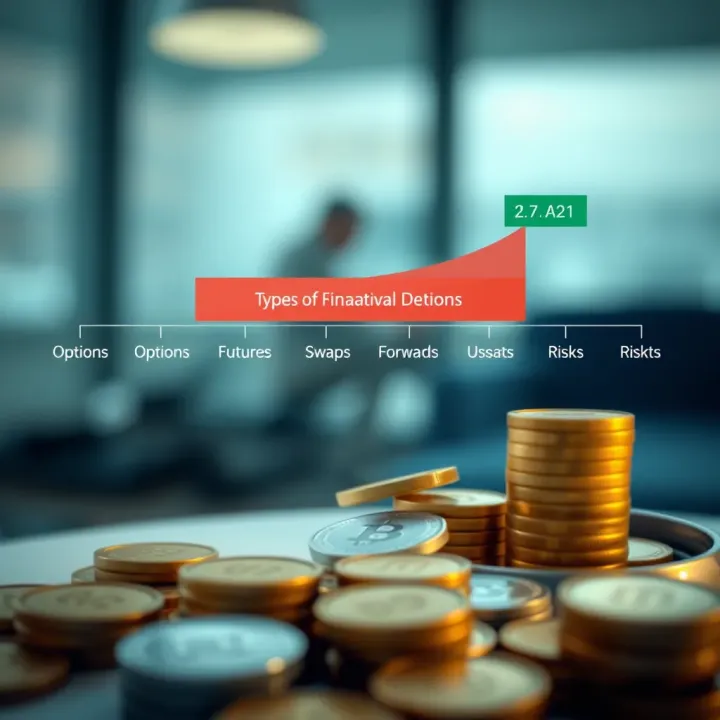
At their core, derivatives serve three main purposes:
Risk management: Farmers use futures contracts to lock in prices for their maize crop months ahead, protecting themselves from price drops at harvest time.
Speculation: Traders might buy options to profit from potential price changes in rand/dollar exchange rates without owning the actual currency.
Access and arbitrage: Derivatives can give investors exposure to hard-to-reach markets or underlying assets at lower costs compared to direct ownership.
Derivatives carry considerable risk if not managed carefully. For example, margin calls on futures can lead to substantial losses if market moves go against the holder.
Understanding derivative types helps clarify their uses:
Futures and forwards: Agreements to buy or sell assets at a set price and date. Futures are standardised and traded on exchanges; forwards are private contracts.
Options: Contracts giving the right, but not the obligation, to buy or sell assets at a fixed price before expiry.
Swaps: Arrangements to exchange cash flows or financial obligations, common in managing interest rate or currency risks.
These contracts often seem complex, but knowing how they work aids in making informed decisions. In South Africa’s fluctuating market environment, derivatives can protect investments or uncover opportunities, provided users understand both their power and pitfalls.
Understanding the basic concepts behind derivative products is fundamental for any trader, investor, or business looking to manage financial risks or enhance returns. These instruments depend on the value of something else—an underlying asset—and by grasping the mechanics at play, you can navigate their practical applications more confidently. This section lays the groundwork, explaining what derivatives are, how prices form, and why leverage and margin are pivotal.
Derivatives are financial contracts whose value is tied directly to the price of another asset, known as the underlying asset. Their key feature is that they don’t stand alone; instead, their worth fluctuates as the underlying asset moves. For instance, a futures contract linked to maize will gain or lose value based on maize prices, even though you’re not buying maize itself outright. This relationship allows market participants to speculate on price changes or hedge against financial risks without owning the actual asset.
Derivatives come with specific characteristics like a fixed expiry date and standardised contract details (especially in exchange-traded derivatives), which make them tradable and liquid. However, this also means they carry risks that differ from owning the underlying asset.
Underlying assets can be anything from stocks, bonds, or currencies, to commodities such as gold, petrol, or South African maize. For example, currency swaps may involve the rand and US dollar, while interest rate swaps could reference lending rates set by the South African Reserve Bank.
The actual choice of underlying asset depends on the market participant’s needs. A Johannesburg-based miner might use derivative contracts based on commodity prices to hedge against falling global demand, while an importer could rely on currency options to protect against rand volatility.
The price of a derivative stems from the value of its underlying asset, plus additional elements like time to expiry, expected market volatility, and interest rates. For example, the premium on an option depends not only on the current stock price but also on how volatile the stock is expected to be before the option expires.
This linkage ensures that as the underlying asset’s price shifts, the derivative’s value moves accordingly—but rarely in a one-to-one ratio. Understanding these price dynamics helps investors predict potential gains or losses and manage their exposures more effectively.
Leverage lets you control a large position with a relatively small upfront investment, called margin. In South Africa, investors trading futures or options on the Johannesburg Stock Exchange (JSE) often provide a fraction of the contract’s full value as margin.
While leverage can magnify profits, it similarly increases losses if the market moves against you. For example, a commodity trader using R10,000 margin could control contracts worth R100,000. A modest adverse price move of 5% would wipe out half their margin, necessitating a quick top-up to avoid liquidation.
Leverage is both a tool and a risk; it demands disciplined risk management to prevent sharp losses.
Knowing how margin works is vital to avoid unexpected calls for additional funds and to maintain control over your trading or hedging activities.
By mastering these basic concepts, you set a solid foundation to explore the more complex facets of derivative products that follow in this article.
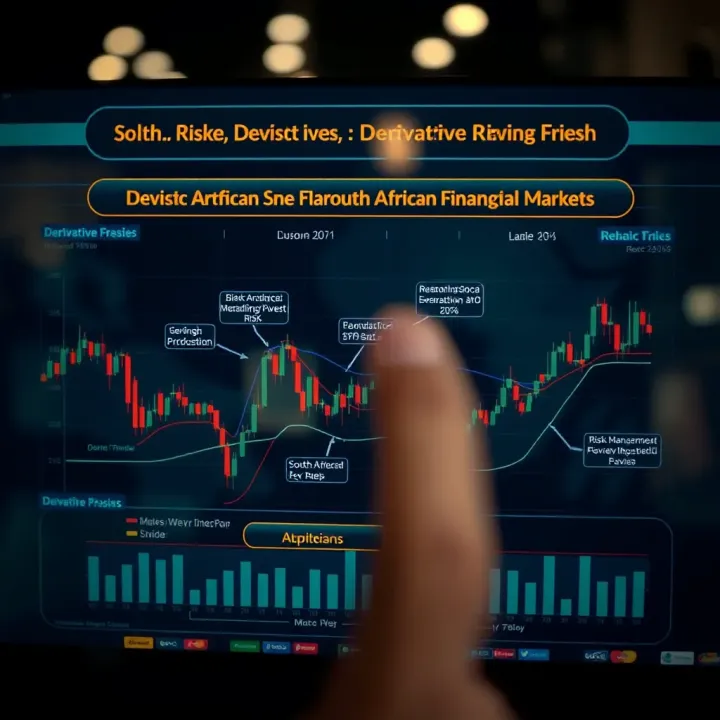
Derivative products come in several common forms, each suited to different trading and hedging needs. Understanding these helps investors, traders, and businesses make the most of derivatives while managing their risks properly. This section covers futures contracts, options contracts, and swaps — the backbone of derivative markets globally, including South Africa.
Futures contracts are standardised agreements to buy or sell an asset at a predetermined price on a specific future date. The standardisation means contract terms like quantity, quality, and delivery date are fixed, making futures highly tradable on exchanges such as SAFEX in South Africa or the Chicago Mercantile Exchange internationally. This standard format reduces negotiation time and costs.
In practice, futures are widely used in commodity markets. For example, a maize farmer in the Free State could lock in a selling price for the upcoming harvest using futures contracts, protecting against price falls. Financial futures also exist, like those on equity indices or interest rates, which investors use to speculate on price movements or hedge existing portfolios. The ability to trade these contracts on regulated markets boosts liquidity and transparency.
Options give the holder the right, but not the obligation, to buy (call option) or sell (put option) an underlying asset at a specified strike price before or on expiry. Calls are used when you expect prices to rise, puts when expecting a fall. This asymmetric risk profile makes options versatile tools.
For example, a retail investor in Johannesburg might buy a call option on a JSE Top40 share to benefit from a potential price increase without committing to buying the shares outright initially. Conversely, put options can serve as an insurance policy, providing a hedge against falling prices.
Options are popular for hedging and speculation alike. A company importing goods can use put options on the rand-dollar exchange rate to fix costs amid currency volatility. On the other hand, traders aiming for profit might buy options to capitalise on anticipated market shifts, though the premium paid can be lost if the move doesn’t materialise.
Swaps involve exchanging cash flows between two parties based on differing financial instruments or rates. Interest rate swaps are among the most commonly used, where parties exchange fixed-rate interest payments for floating-rate payments. This helps companies manage exposure to variable interest rates.
Take a South African business with a floating rate loan worried about rising rates. It can enter an interest rate swap to pay a fixed rate instead, providing cost certainty.
Currency swaps, meanwhile, involve swapping principal and interest in different currencies. They are crucial for companies doing cross-border business needing to manage exchange rate risks. For example, a Cape Town exporter expecting USD revenues but with costs in rand might use a currency swap to stabilise cash flows.
Derivative products like futures, options, and swaps offer market participants practical tools to manage risks or seek gains. Each type carries its own complexity and risk profile, so understanding their mechanics is key before diving in.
Derivatives play a significant role in managing financial risks and seizing profit opportunities for both investors and businesses. They serve mainly to protect against price swings in markets and to allow for speculation based on expected future price movements. Understanding the practical uses of derivatives is essential for those who want to navigate financial markets sensibly and responsibly.
Hedging with derivatives means reducing the uncertainty caused by erratic price movements in the underlying assets. For example, a farmer growing maize faces the risk that prices might drop by harvest time, leaving him with produce worth less than the cost of production. By entering into a futures contract to sell at a fixed price, the farmer locks in revenue and shields against unexpected price slumps. This approach is common in many commodity markets across South Africa.
Agriculture is one sector where derivatives are invaluable. Producers of wool, maize, and citrus fruit commonly use futures and options contracts to guard their income against price drops due to weather, disease, or export disruptions. Similarly, importers and exporters often deal with fluctuating currency rates that can hurt their margins. Currency swaps or forward contracts let these companies fix exchange rates ahead of time, locking in costs or revenues in Rands and foreign currencies. For instance, a Cape Town-based exporter shipping machinery to Europe might secure the Rand-Euro rate to avoid losses due to rand depreciation.
Speculators use derivatives to bet on whether prices will go up or down, aiming to earn profits without holding the underlying asset. Unlike traditional buying or selling of stocks or commodities, derivatives can amplify gains because they often allow for paying a fraction of the full asset value upfront (known as leverage). For example, a trader might buy call options on gold if expecting prices to rise, profiting from favourable moves while risking only the option premium.
Speculation can lead to substantial profits, but it carries significant risks. Leveraged positions can amplify losses as quickly as gains, and unforeseen market shifts can wipe out the margin or initial investment. For instance, in volatile currency markets, a sudden shift due to geopolitical events could cause losses to mount rapidly. Therefore, while derivative speculation offers attractive profit potential, it requires careful risk management, experience, and often solid credit backing to prevent financial strain.
In summary, derivatives are powerful tools to manage risks and pursue returns, but they demand clear strategies and understanding to be used effectively in South African investment and business contexts.
Understanding the risks and challenges tied to derivative products is key for anyone involved in trading, investing, or advising. Derivatives can multiply gains but carry risks that could lead to significant losses if not managed properly. This section breaks down the main types of risks faced by market participants and helps unpack what they mean in practical terms.
Price fluctuations make up the most visible risk in derivative trading. Derivatives depend on the value of an underlying asset—be it stocks, currencies, or commodities. When the price of that asset swings unexpectedly, the derivative’s value changes accordingly. For example, a South African maize farmer using futures contracts to lock in prices may face losses if market prices move differently from expectations. Such volatility means traders can incur heavy costs very quickly.
Counterparty default risk concerns what happens if the other side of a derivative contract fails to meet its obligations. Unlike buying shares where you own something tangible, derivatives depend on contracts between parties. Should a broker, bank, or another counterpart go bust or delay payments, you might face delays or losses. This risk became glaringly evident during the 2008 global financial crisis, when several firms collapsed, impacting derivative holders worldwide. South African investors must keep an eye on the financial health of counterparties, especially when dealing over-the-counter (OTC) derivatives that aren't traded on standard exchanges.
Compliance requirements have tightened for derivatives in South Africa, overseen mainly by the Financial Sector Conduct Authority (FSCA). Firms trading derivatives need to meet strict rules on disclosure, capital buffers, and reporting to prevent abuses and systemic failures. For traders and investors, non-compliance can lead to penalties or restricted market access. Staying updated on legislation like the Financial Markets Act is a practical necessity, not just a formality.
Technology and process risks relate to the systems and workflows behind derivatives trading. Given how much trading relies on electronic platforms, glitches or cyberattacks can disrupt positions or delay trades. Imagine a Pretoria-based fund manager whose electronic trading platform crashes during market volatility—this could result in missed opportunities or unintended positions. Operational challenges may also arise from human error or poor internal controls. Thus, robust IT infrastructure and process checks are vital to minimise these risks.
Recognising the range of risks attached to derivatives helps market players make informed decisions. From price swings to counterparty issues and regulatory hurdles to tech failures, managing these challenges is part and parcel of working with derivatives in South Africa's financial landscape.
South Africa’s derivatives market operates within a regulatory framework designed to ensure transparency, fairness, and stability. Given the complexity and risks attached to derivatives, especially for traders and investors, regulation plays a vital role in preventing systemic shocks and protecting all market participants.
The Financial Sector Conduct Authority (FSCA) oversees the regulation of derivatives within South Africa. Its role extends beyond supervision to include licensing, monitoring market conduct, and ensuring compliance with set rules. For example, the FSCA requires derivative product providers and trading platforms on the Johannesburg Stock Exchange (JSE) to adhere strictly to rules that prevent market manipulation and protect investor interests.
Additionally, the FSCA actively educates the public on the risks associated with derivatives, helping retail investors avoid pitfalls while promoting informed decision-making. This regulatory supervision ensures market confidence and helps maintain orderly trading conditions.
The legal framework governing derivatives includes the Financial Markets Act 2012, which sets out the rules for listing, trading, and clearing derivative instruments. Also relevant are provisions under the Companies Act and the Securities Services Act, which regulate disclosures and reporting. These laws ensure that the derivatives market functions with clear guidelines on transparency and accountability.
For instance, derivative transactions must be reported so regulators can monitor systemic risk. Such measures helped limit exposure during global financial crises and continue to protect South Africa’s financial system.
Banks and brokers face strict compliance requirements under South African regulation. They must implement robust risk management frameworks and maintain capital adequacy to withstand market fluctuations related to derivatives trading. For example, a bank offering interest rate swaps must ensure it properly assesses counterparty risk to avoid unexpected losses.
Moreover, institutions must regularly report their derivative positions to the FSCA, enabling timely oversight. Failure to comply can result in penalties or loss of licence — a clear incentive to operate transparently.
Consumers, including retail investors using derivatives for hedging or speculation, benefit from regulatory protections. These include clear disclosures about product risks, suitability assessments before selling complex instruments, and mechanisms to lodge complaints or dispute transactions.
Such consumer protection efforts reduce cases of mis-selling and help investors avoid losses caused by misunderstanding derivative contracts.
Overall, South African derivatives regulation balances market growth with consumer safety, promoting a healthy environment for all participants.
Derivatives play a significant role in South Africa’s financial markets, offering both investors and businesses practical tools to manage risks and capitalise on market movements. These instruments provide exposure to underlying assets such as equities, interest rates, or currencies without needing to own them outright. This flexibility makes derivatives crucial for navigating South Africa’s often volatile economic landscape, characterised by currency fluctuations, interest rate changes, and commodity price swings.
South Africa's main platform for derivative trading is the Johannesburg Stock Exchange (JSE), which offers a variety of instruments tailored to local market needs. The JSE listing includes equity derivatives like options and futures on top blue-chip stocks, indices such as the FTSE/JSE Top 40, as well as interest rate and currency futures. These products enable traders and investors to hedge their exposure or speculate efficiently with clearly defined contract terms and fair pricing.
Market volumes on the JSE’s derivative platform have generally shown steady growth, reflecting increased sophistication among local investors and businesses. Activity tends to spike in response to economic events or policy changes, such as interest rate decisions by the South African Reserve Bank (SARB) or currency volatility amid global shocks. That said, liquidity varies across products; equity index futures usually see more daily turnover compared to niche instruments. This trend points to the growing acceptance and reliance on derivatives for portfolio management and risk control.
For local companies, derivatives offer a practical way to manage financial risk without tying up capital unnecessarily. For example, exporters might use currency futures to lock in favourable rand exchange rates against the US dollar or euro, shielding themselves from sudden declines. Similarly, businesses burdened by variable interest rates on borrowings can engage in interest rate swaps to stabilise repayments. Derivatives thus become essential risk management tools, helping firms plan budgets with more certainty despite economic unpredictability.
Local investment funds and individual traders also benefit from derivatives, as they allow taking positions on market direction or volatility with relatively modest cash outlay. However, this leverage can be a double-edged sword: while returns can be amplified, losses may mount quickly if markets move unfavourably. One notable local example is the agricultural sector where maize producers use futures contracts to secure prices ahead of harvest, balancing their income against unpredictable weather or export demand changes. Such examples reveal how both business and financial participants harness derivatives to guard against South African market challenges and seize opportunities.
Derivative instruments, especially those traded on the JSE, are integral to the country's financial ecosystem by promoting liquidity, enabling sophisticated risk management, and offering accessible avenues for speculation. Their practical use supports a more resilient and adaptive economic environment in South Africa.
Explore synthetics: types, how they're made, uses across industries, plus their environmental and economic effects in everyday life 🌍🔬
📊 Get to grips with derivatives and leverage in SA markets. Understand their benefits, risks & how traders use them to boost investment strategies confidently.
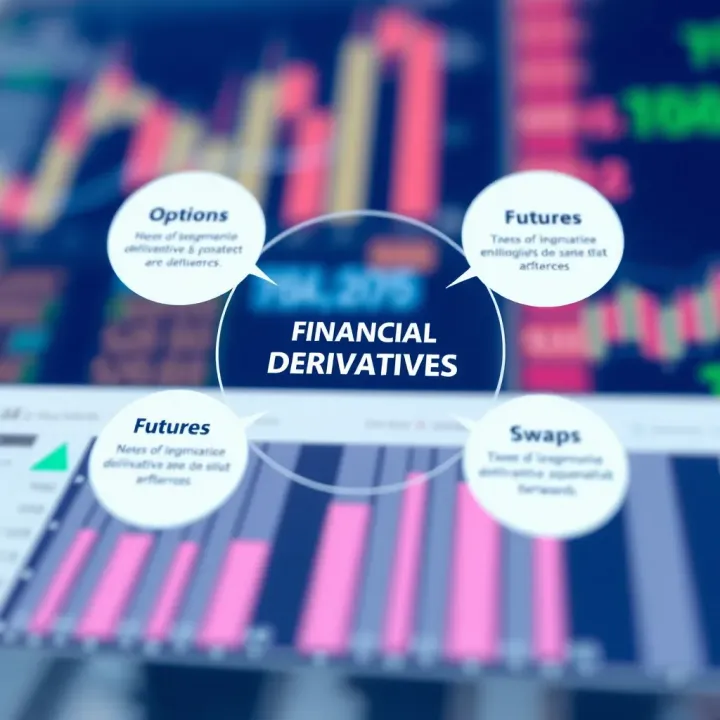
🔍 Understand derivatives—what they are, how South African businesses use them, key types, risks involved and rules to help you trade and invest wisely.
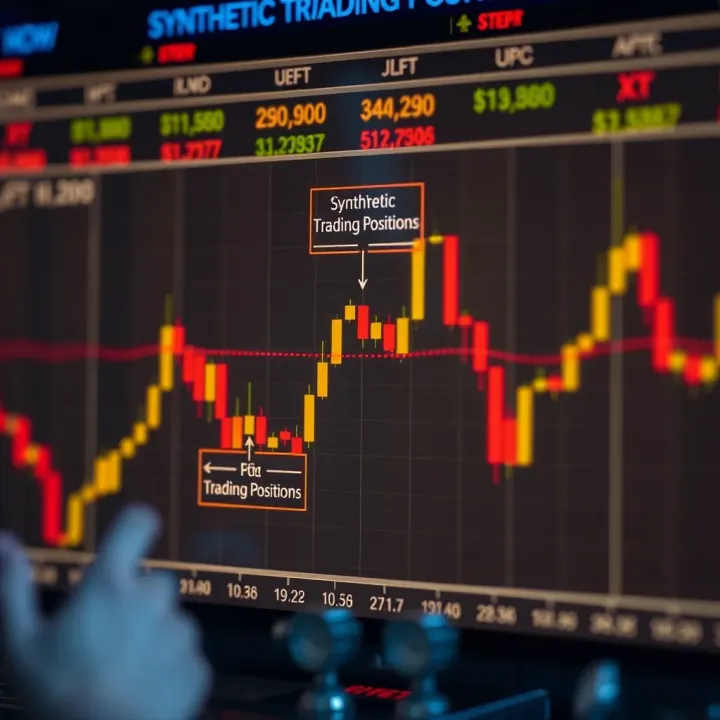
📊 Discover how synthetic trading creates unique market positions, strategies used, risks involved, and practical tips to enhance your South African trading decisions.
Based on 5 reviews