

Understanding the Role and Strategies of a Forex Trader
📉 Understand forex trading in South Africa: discover a trader's role, essential skills, tactics, useful tools, risk tips & market insight to trade effectively 🇿🇦
Edited By
Amelia Foster
Forex WhatsApp groups have grown as popular hubs where traders exchange ideas, strategies, and timely market updates. These groups often serve as informal communities where participants—from beginners to seasoned investors—discuss currency pairs, economic data releases, and geopolitical events impacting the foreign exchange market.
Joining a Forex WhatsApp group can give you quick access to real-time trade ideas and peer insights, which is especially useful given Forex’s 24-hour trading nature. For example, a group might discuss sudden shifts in the USD/ZAR rate after a major South African Reserve Bank (SARB) announcement. However, not all groups are created equal—quality and trustworthiness vary widely, and misinformation can spread quickly.
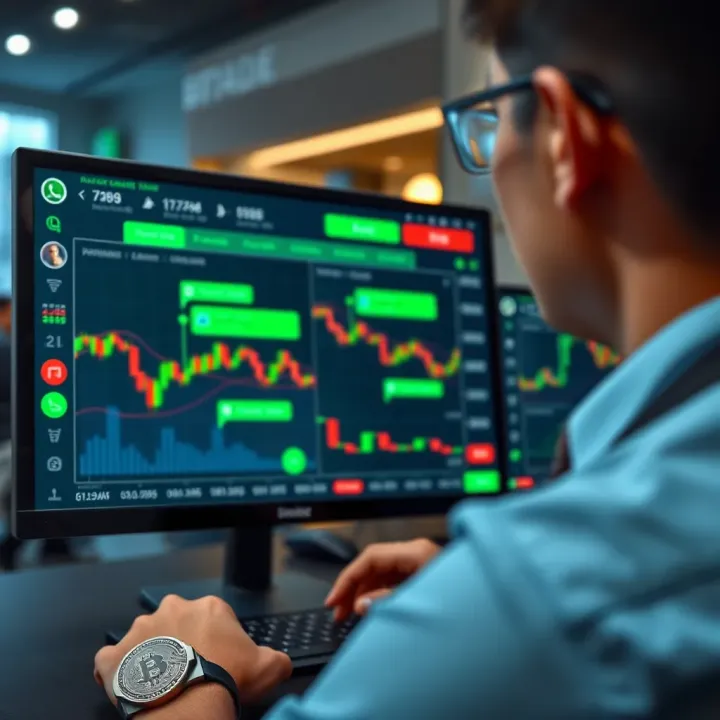
Be cautious: blindly following tips without proper analysis can lead to losses. Always verify signals against credible sources and use risk management.
Many of these groups operate on a no-frills basis, relying on enthusiastic traders to share updates, but some also have admin-led educational sessions or guest experts providing market commentary. To make the most of your participation:
Choose groups carefully: Look for moderated groups with clear rules and transparency about sources.
Stay engaged but critical: Ask questions, contribute your views, but avoid groupthink.
Limit exposure to hype: Forex is volatile and leveraged, which means any single trade tip carries risk.
Remember that WhatsApp’s informal chat format lacks the detailed charting and order management tools of professional platforms. Use these groups as supplementary sources rather than primary trade platforms. Always cross-check information with your trading platform or tools like TradingView or Bloomberg.
Ultimately, Forex WhatsApp groups can sharpen your market awareness and connect you with fellow traders, but success depends on how you navigate the mix of signals, noise, and occasional hot tips.
Forex WhatsApp groups have become a common gathering spot for traders looking to share insights, receive updates, or just connect with others invested in foreign exchange markets. Understanding how these groups work helps you make the most of their benefits without falling into common pitfalls. For example, a trader in Johannesburg might join a group that shares updates timed with European market openings, enabling real-time responses to volatility.
Sharing market insights and news really forms the backbone of these groups. Members often post updates about economic releases, central bank announcements, or geopolitical events that can affect currency prices. By getting these details instantly, traders can react swiftly instead of waiting for delayed reports from traditional news sources. This practical immediacy helps day traders and swing traders alike.
Real-time trade signals and analysis take the trading experience a notch higher. Some groups focus on sharing specific buy or sell signals, often accompanied by brief technical or fundamental analysis. While not foolproof, these signals serve as starting points for members to verify via their own analysis. This collective intelligence can be especially useful during volatile periods, like when the South African Reserve Bank adjusts interest rates unexpectedly.
Networking among traders provides social and professional benefits. Apart from market talk, members often discuss strategies, broker choices, or even organise local meet-ups. For instance, a trader based in Durban might connect with others nearby and share real-world tips that aren’t always apparent online. This community element can boost confidence and reduce the isolation many traders experience.
Private vs public groups differ primarily in access and control. Private groups are usually invitation-only, demanding some vetting like proof of trading experience or payment. These groups may offer more reliable information since admin teams moderate content closely. Public groups, on the other hand, are open for anyone to join, making them more susceptible to spam or low-quality tips. It’s vital to recognise this distinction before jumping into conversations.
Paid subscription groups add another layer where members pay a fee for premium content, such as exclusive trade alerts or in-depth market forecasts. While these may provide higher quality signals, it’s wise to assess the value carefully. For example, some South African traders have found paid groups that charge R500 a month but deliver inconsistent or generic advice, making free groups a more attractive start.
Targeted groups based on experience level or region tailor content for specific audiences. Beginners might join groups focusing on educational resources and simple strategies, reducing overwhelm. Regional groups can provide insights into local factors influencing the rand or specific brokers popular in that area. For instance, a Cape Town-based trader might prefer a group concentrating on rand pairs and the impact of national economic policy.
Being selective about the type of Forex WhatsApp group you join helps balance your exposure to valuable information and manage risks such as misinformation or irrelevant chatter.
Joining Forex WhatsApp groups can offer traders a quick gateway to timely information, diverse strategies, and a support network. These groups often serve as informal hubs for sharing market updates and personal experiences, which can sharpen your trading edge if you engage actively and critically.
Quick updates on market movements provide a real advantage, especially in forex where prices can shift within minutes. For example, a South African trader relying on a Forex WhatsApp group might get instant news on a sudden decision by the South African Reserve Bank (SARB) regarding interest rates, allowing them to react before the wider market digests the news through traditional outlets.
Insights from experienced traders add another layer of value. Seasoned traders often share trade setups or warning signals based on their years of observing trends. While you should always weigh this advice against your own research, seeing what others spot in charts or economic indicators can boost your understanding and inspire new tactics.
Exposure to diverse trading strategies through group discussions is a practical way to expand your toolkit. Even if you mainly trade spot forex, you'll come across members discussing carry trades, scalping methods, or rhythm-based entries. This breadth can help you refine your style or even explore new instruments.
Open discussions and Q&A sessions create a dynamic learning environment not often found in isolated trading. When someone asks why a particular currency pair reacted unexpectedly, responses might come from various perspectives—fundamental analysis, technical patterns, or geopolitical events—opening your eyes to multiple angles.
Peer encouragement matters in trading where the emotional ups and downs can be tough. Being part of a group where members celebrate wins or commiserate after losses helps maintain motivation. For instance, a group member recovering after a losing streak might receive practical advice and reassurance, making it easier to keep calm and stick to a plan.
Shared experiences managing losses and gains build collective wisdom. Traders often exchange stories about bad calls, reminding others to manage risk carefully. These real-world examples can serve as cautionary tales, reinforcing the importance of stop-loss orders or position sizing.
Simply put, Forex WhatsApp groups aren’t just about tips and signals. They’re about gaining quick, diverse market views, sharpening your skills through dialogue, and staying motivated with a community that’s in the same boat.

When joining, remember to keep a clear head, verify the information you receive, and use group insights as a complement to your own research and strategy development.
Being part of Forex WhatsApp groups offers benefits, but it also brings certain risks and challenges. It's vital to understand these pitfalls so you can protect your trades, finances, and personal information. Let's unpack the main risks and why they matter.
Many Forex WhatsApp groups share trade signals — specific buy or sell suggestions. However, not all signals are backed by solid analysis or track records. Following unverified signals blindly can lead to losses, especially if they come from members with no proven experience. For example, someone might post a "sure-win" trade on the EUR/USD pair without considering current market volatility or economic data releases, putting you at risk.
Some groups attract scammers aiming to profit off unsuspecting traders. Misinformation can range from false promises of guaranteed returns to fake testimonials. There are even cases where admins push paid subscriptions for dubious trade alerts or pressure members to invest in shady schemes. This kind of behaviour can drain your funds quickly if you're not vigilant. Always match group claims with your research and remain sceptical of too-good-to-be-true offers.
Relying heavily on group advice may dull your own judgement and trading instincts. When you lean on others' calls without critically assessing them, you lose the chance to sharpen your skills. Over time, this dependence can make you vulnerable when markets don't follow the predicted direction, leaving you unprepared.
Group dynamics can spark emotional decision-making. If many members are panicking or chasing quick profits, you might feel compelled to follow suit, even when it doesn't fit your strategy. This herd mentality often results in impulsive trades, which typically don't end well in Forex markets known for their unpredictability.
Forex WhatsApp groups can be breeding grounds for privacy slips. Members sometimes share contact details, banking info, or identity data without thinking twice. Such exposure raises risks of identity theft or fraud. As an example, someone might share their tax number while asking for advice on tax-deductible deductions related to trading — information that shouldn't be public.
Being in these groups exposes you to possible spam messages or phishing links. Scammers may send links disguised as helpful tools or market reports that actually lead to malware or fake login pages. Clicking without caution could compromise your device or personal accounts. It's a good habit to avoid clicking on suspicious links and to report any dubious behaviour to group admins immediately.
Joining Forex WhatsApp groups can be helpful, but you need to balance enthusiasm with caution. Always verify information, protect your personal details, and keep your trading decisions your own.
Joining a Forex WhatsApp group can be a real boost, but only if you pick the right one and engage the right way. With so many groups popping up, it becomes essential to figure out which spaces truly add value and how to protect yourself from misinformation or privacy slip-ups. This section gives a clear guide to help you choose credible groups and participate smartly.
The group admin sets the tone and quality of information shared. Look for admins with a solid track record or professional background in forex trading. For example, an admin who regularly provides transparent trade results or shares their trading approach openly is more trustworthy than one promising instant riches or using aggressive sales tactics. It’s also helpful if the admin actively moderates discussions and keeps scams or spam at bay.
Before joining, check what existing or past members say about the group. Are they benefiting from reliable trade signals or just hearing repetitive, vague advice? Often, members share honest reviews on forums or social media about their experiences. A worthwhile group tends to have engaged, respectful members who share helpful tips and clear analyses.
It’s tempting to lean on group advice, but independent research remains key to sound trading. Think of WhatsApp groups as one piece of your learning puzzle. For instance, if the group suggests buying a certain currency pair, verify with your charting tools or basic fundamental analysis rather than acting blindly. This way, you avoid emotional trading based on herd mentality.
WhatsApp groups, especially active ones, can flood your phone with messages, which might lead to distraction or overwhelm. Set specific times to check the group instead of reacting to every notification. Overexposure might cloud your judgment and stir unnecessary stress, making it harder to stick to your trading plan.
Be cautious with the personal info you share; oversharing could expose you to unwanted risks. For example, avoid posting details like your full name, bank info, or address within the group. Even common info like your phone number is visible to all members. Keeping your data tight helps minimise risks linked to scams or phishing.
WhatsApp offers settings to control who can add you to groups or see your profile details. Customise these to avoid unwanted invites to dubious groups or expose yourself unnecessarily. You can restrict changes to your profile photo, last seen, and status to ‘My Contacts’ or a customised list, reducing the chance of your information falling into the wrong hands.
Joining the right Forex WhatsApp group and managing your participation sensibly safeguards your trading journey and helps you gain the real benefits without the usual pitfalls.
By following these guidelines, traders can avoid the noise and concentrate on learning and trading more effectively. Remember, a good group supports your growth, not complicates it.
Forex WhatsApp groups can be a solid resource when used correctly, but you need more than just joining to gain real value. Active involvement and a strategic approach help you separate useful insights from noise. It’s not about passively scrolling through messages, but engaging with the content to sharpen your own trading edge.
Asking questions in these groups encourages dialogue and drives deeper understanding. For instance, if someone shares a signal to buy the USD/ZAR pair, asking about the underlying reasons—like recent economic data or technical triggers—can uncover valuable context. Groups thrive on interaction; your questions prompt experienced traders to explain their logic, shedding light on market moves and building your confidence.
Questions also prevent blind followership. Instead of jumping on trades based on a single message, querying the what, why, and how helps you think critically. This habit not only boosts learning but arms you against scams or misleading tips common in some groups.
Jumping into the conversation by sharing your market observations can enrich the group’s discourse. Say you’ve noticed a trend reversal in the EUR/ZAR chart due to a pattern or indicator; posting your take invites feedback and may even spark new ideas or corrections. This exchange turns you from a passive consumer to an active contributor.
Moreover, when you articulate your analysis, it forces you to clarify your thoughts and be precise, enhancing your own trading skills. Even if your views differ from others, presenting your case respectfully helps refine strategies for all members.
Never take trade signals at face value. Cross-verifying involves checking these tips against your own technical analysis before acting. For example, if a group suggests buying the GBP/ZAR because of an expected breakout, confirm this by reviewing charts for confirmation patterns like support levels or volume spikes.
This step filters out noise and reduces impulsive trades. Traders who blindly follow group chatter often lose out, but those who verify maintain control and improve decision-making quality.
Charting tools such as MetaTrader, TradingView, or local broker platforms are your best friends when working with group signals. If a signal mentions an entry point at a certain level, fire up your chart and check key indicators like moving averages, RSI, or Fibonacci retracements.
This helps validate the signal's strength and decide precise entry and exit points. It also gears you towards understanding the technicals rather than relying solely on others’ opinions.
The forex market shifts constantly; staying educated is essential. Use group interactions as a springboard for deeper study. If a topic comes up—like central bank rate decisions or geopolitical risk—take time outside the group to read up from trusted sources like Bloomberg or local financial news.
Continuous learning sharpens your instincts and empowers you to contribute meaningfully to the group while making smarter trades.
Markets don’t stay still, so neither should your tactics. Use insights from the group to spot when a usual trading strategy no longer fits current conditions. For example, if volatility spikes due to Eskom load-shedding disrupting economic data flow, consider scaling back or adjusting risk levels.
Adaptation keeps your trading relevant and responsive. Watch for group chatter about shifts; it can be an early warning to revisit and modify your approach.
Engaging actively, confirming signals with technical tools, and continuously updating your skills turn Forex WhatsApp groups from simple chat rooms into powerful trading allies. Stay curious, stay critical, and keep your own edge sharp.
📉 Understand forex trading in South Africa: discover a trader's role, essential skills, tactics, useful tools, risk tips & market insight to trade effectively 🇿🇦
🤖 Discover how forex robots automate currency trading, their pros and cons, and tips to safely use them on South African platforms while staying compliant.
📊 Discover how indices link with forex trading, what drives their movement, practical tactics for SA traders, plus essential risks to watch when trading currencies and indices.

Discover how the wealthiest forex traders built their fortunes 💰, learn key trading strategies 📊, and gain practical lessons from their wins and losses.
Based on 12 reviews