
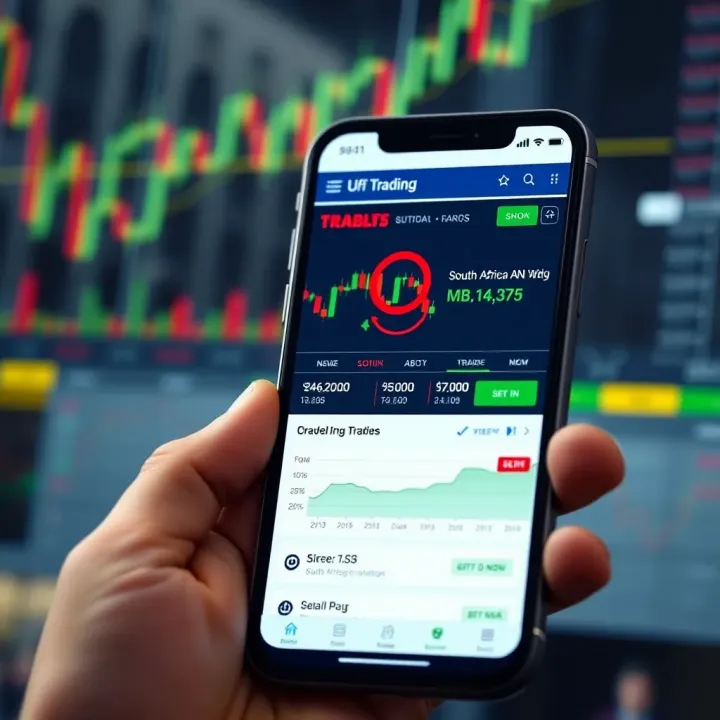
Best Trading Apps in South Africa: Find Your Ideal Platform
📱 Explore the best trading apps in South Africa with local insights on fees, security, and features. Find the platform that suits your investing style and goals confidently.
Edited By
Charlotte Bennett
Bitcoin trading platforms offer South African investors a way to buy, sell, and trade bitcoin without needing to handle the cryptocurrency directly. These platforms act as digital marketplaces where you can exchange your Rand (R) for bitcoin or vice versa, often alongside other cryptocurrencies.
South Africa’s growing interest in cryptocurrencies means it's vital to navigate these platforms carefully. Not all platforms function the same, and factors like fees, security, and ease of use vary quite a bit. For instance, local platforms like Luno and VALR have tailored their services to South African traders, offering features such as Rand deposits directly through local banks—which avoids costly international transfer fees.
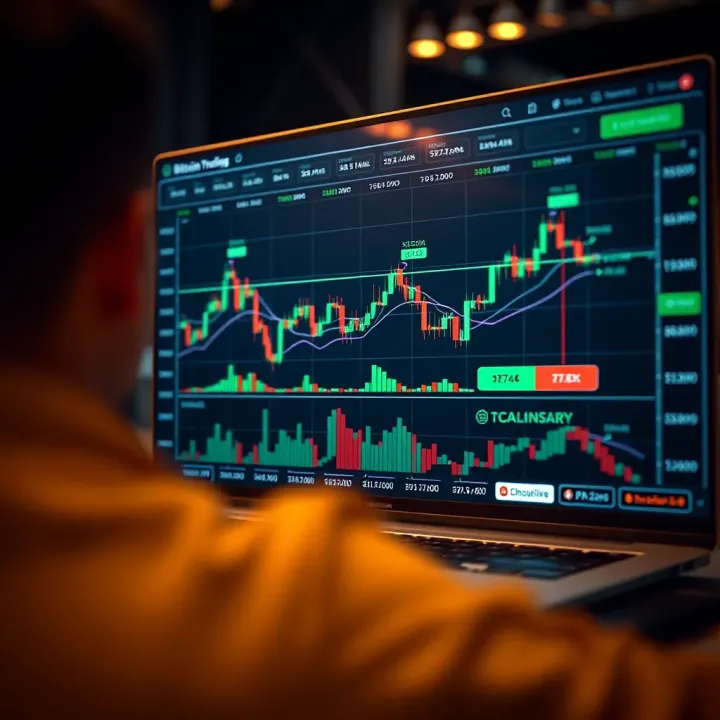
When choosing a trading platform, consider the following:
Regulation and Licensing: The platform should comply with South African regulations, including Financial Intelligence Centre Act (FICA) requirements, which involve verifying your identity to help prevent fraud and money laundering.
Security Measures: Look for two-factor authentication (2FA), cold storage of funds, and clear policies on protecting your assets if the platform faces attacks.
Trading Options: Depending on your strategy, you might want access to spot trading, margin trading, or derivatives. Not every platform supports all these features.
User Interface and Support: Some platforms cater more to beginners with straightforward apps and responsive customer service, while others are designed for experienced traders with advanced charting tools and analytics.
Remember, even the best platform can’t shield you from the risks of price volatility in bitcoin. Being well-informed and cautious is always your best defence.
Local nuances are also key. Due to Eskom's loadshedding, ensure your internet connection is reliable during trading hours—nothing worse than losing your connection mid-trade. Also, since South African banks sometimes flag cryptocurrency transactions, expect possible delays or extra steps when depositing or withdrawing Rand.
This guide will break down these factors in more detail, helping you make smart choices and trade with confidence within the South African market.
Getting a solid grip on what bitcoin trading platforms are and how they function is essential for anyone keen on investing or trading bitcoin in South Africa. These platforms act as your gateway to buying and selling bitcoin, and knowing what they do can help you make smarter decisions, avoid costly mistakes, and protect your investments from scams or poor service.
A bitcoin trading platform is an online service that allows users to buy, sell, or exchange bitcoin for other cryptocurrencies or fiat currencies like the South African Rand (ZAR). At its core, it connects buyers and sellers, making it easier to trade without needing to find someone personally willing to swap coins. Think of it as a digital marketplace that provides the infrastructure for secure transactions, price discovery, and often wallet services.
In practice, this means you can trade bitcoin with just a few clicks from your laptop or cellphone. The platform handles the behind-the-scenes work, such as confirming transactions on the blockchain and managing digital wallets. Without these platforms, directly trading bitcoin would be far more complex and risky.
Bitcoin trading platforms generally fall into two categories: exchanges and brokers. Exchanges operate like traditional stock markets, offering an order book where users place buy and sell orders at specific prices. Prices fluctuate based on supply and demand, and trades execute when matching orders occur. Examples include Luno and VALR, popular in South Africa, that allow you to trade bitcoin against ZAR and other cryptocurrencies.
Brokers, on the other hand, provide a more straightforward service: they sell or buy bitcoin directly at a set price. This can be simpler for beginners, as the broker handles the actual trading counterparties and pricing. Brokerage platforms often resemble online shops where you purchase bitcoin instantly. However, fees can be higher versus exchanges.
When you buy bitcoin on a trading platform, you typically either place a market order or a limit order. A market order means you accept the best available price at that moment, leading to an almost immediate trade. A limit order lets you specify the price you want to pay, and the order only executes once the market hits that figure. Both have advantages – speed with market orders and potentially better pricing with limit orders.
Selling works in a similar way: you decide whether to sell immediately at market value or wait for a buyer willing to pay your asking price. This flexibility helps you manage your trades according to your strategy and the current market conditions.
Most bitcoin exchanges use an order book system, which is essentially a list of all buy and sell orders currently active. The order book shows you how many bitcoins are available to buy or sell at each price level. This transparency helps traders gauge market sentiment and price trends.
Liquidity, or how easily you can buy or sell an asset without affecting its price too much, is key here. High liquidity means you can trade bitcoin quickly and at stable prices, which platforms like Luno and Binance tend to offer. On less liquid platforms, large trades might cause sudden price jumps or drops, making it riskier for traders.
Understanding these mechanics helps you navigate trading platforms confidently and avoid surprises like unexpected price shifts or order delays.
Having this foundation will prepare you to assess which platforms meet your trading needs and how to use their features effectively within the South African context.
Selecting an appropriate bitcoin trading platform is a key step for South African investors aiming to trade confidently and securely. The right platform not only impacts costs but also determines the ease of access to a variety of cryptocurrencies, effectiveness of trading tools, and how well your assets are protected. Given the evolving crypto landscape here, choosing wisely ensures smoother transactions within local market conditions and helps users navigate regulatory frameworks without hassle.

Trading fees can vary widely between platforms — some charge a flat rate while others take a percentage of the transaction value. For example, a platform with a 0.1% maker fee might save you more if you place limit orders compared to one with a fixed R50 fee per trade, especially for large volumes. Also, withdrawal fees matter; sending bitcoin to your own wallet could cost an additional fixed fee or vary depending on network congestion. High fees chip away at profits, so comparing all cost components upfront is essential.
Not all platforms offer the same variety of coins or pairs involving South African Rand (ZAR). Some local platforms focus primarily on bitcoin and a few major altcoins, while international platforms may include hundreds of options. If you want to diversify beyond BTC and ETH or trade more volatile altcoins, ensure the platform supports those assets. Also, ZAR trading pairs simplify funding without converting currencies multiple times, saving on conversion fees and delays.
Especially for newer traders, a clear, well-organised interface can be a game-changer. Look for platforms with intuitive navigation, straightforward order placement, and transparent charts. For instance, some South African users prefer platforms like Luno, known for its clean app design, while experienced traders might favour platforms offering advanced charting tools and order types. The quicker you can execute trades and access account info, the better positioned you are to react to market changes.
Platforms such as Luno, VALR, and AltCoinTrader provide direct ZAR deposits and withdrawals, allowing traders to sidestep foreign exchange complications. Their local banking integration often means faster fund clearance compared to international counterparts. Being based in South Africa, they also tend to align better with local regulations and can provide customer support tailored to South African time zones.
Despite the rise of local exchanges, many traders use international giants like Binance, Kraken, or Coinbase for access to broader token selections and more sophisticated features. These platforms often offer greater liquidity and various global trading pairs. However, local deposit and withdrawal can be slower or more expensive due to currency conversion and international transfer fees. Users must weigh these trade-offs against the benefits of expanded options and tools.
When choosing, consider how platform features fit your trading style and local context — whether it's saving on fees, accessing certain crypto assets, or the convenience of using ZAR directly.
This balanced approach can help South African investors make informed decisions suited to their trading goals and needs.
Security isn't just a nice-to-have; it's the backbone of safe Bitcoin trading, especially given the risks involved and the value at stake. South African investors must prioritise safeguarding their accounts and assets, as breaches can lead to considerable financial losses and irreversible damage. Understanding practical security measures helps traders protect their investments against theft and fraud.
Two-factor authentication and account protection play a vital role in defending your trading accounts. This security layer requires you to provide two forms of identification before accessing your account, typically a password and a code sent to your mobile device. For example, platforms like Luno and VALR offer mandatory two-factor authentication (2FA), which drastically reduces the risk of unauthorised logins even if your password is compromised.
Using 2FA means your account remains safer against hacking attempts common in South African markets, where phishing and weak passwords can be exploited. It’s essential also to use strong, unique passwords and avoid logging in from shared or public computers to provide an extra shield.
When it comes to storing Bitcoin, understanding the difference between cold storage and hot wallets is critical. Hot wallets are connected to the internet, making them convenient for quick trades but more vulnerable to online attacks. Cold storage, such as hardware wallets or offline paper wallets, keeps your private keys disconnected from the internet, significantly reducing the risk of hacking.
Take, for instance, a South African trader holding a substantial amount of Bitcoin. They’d likely keep only what they're actively trading in a hot wallet while moving the bulk to cold storage to ensure maximum protection. Hardware wallets like Ledger or Trezor are popular choices here for their ease of use and advanced security.
Phishing attacks and scams are rife in cryptocurrency trading, hitting South African users frequently through fake emails, websites, or social media. These scams often impersonate established platforms, luring traders to input private details or transfer funds to bogus addresses. For example, receiving an email claiming to be from Tyme Bank requesting login details is a classic phishing attempt.
Avoid these traps by checking URLs carefully, never clicking on suspicious links, and verifying any unexpected communication directly through official apps or contact points. Staying alert to these tactics can save you from significant losses.
Equally crucial is recognising the importance of platform reputation and reviews before committing funds. Choosing exchanges or brokers with a solid track record in South Africa and positive user feedback is your best bet against fraud or poor service.
For instance, well-known platforms like Luno or VALR boast thousands of active users and have established compliance with local regulations. Before registering, check user reviews on local forums, social media, or financial sites to confirm the platform’s reliability. Opting for reputable services reduces exposure to risks like sudden platform closures, withdrawal issues, or shady practices.
Always remember: in crypto trading, your security depends as much on your habits as on the tools you choose. Vigilance pays off.
By combining strong account protection, sensible storage choices, and judicious platform selection, South African Bitcoin traders can confidently navigate the inevitable risks and keep their investments safe.
Understanding the regulatory landscape is key for anyone trading bitcoin in South Africa. It shapes what platforms you can use, how you report your gains, and the protections you have. Ignoring these rules could lead to fines or even losing access to your funds. For investors and traders, familiarising yourself with the framework helps avoid nasty surprises and ensures smoother trading.
The South African Reserve Bank (SARB) treats cryptocurrencies like bitcoin as financial assets rather than legal tender. SARB doesn't regulate cryptocurrencies directly but requires crypto exchanges to register as financial institutions under the Financial Intelligence Centre Act (FICA). This means platforms must comply with anti-money laundering (AML) rules and monitor suspicious transactions. Practically speaking, this helps curb illicit activities but also means traders deal mainly with regulated exchanges that follow these protocols.
For example, a South African exchange like Luno is registered with SARB and adheres to these standards, giving traders more confidence that their transactions aren't vulnerable to fraud or illegal activity.
The South African Revenue Service (SARS) views bitcoin trading as taxable, whether it’s from capital gains or income, depending on the nature of trading. If you're actively trading cryptocurrencies, SARS may classify profits as income; casual selling or holding might attract capital gains tax (CGT). It's crucial to keep detailed records of all transactions, including dates, amounts, and exchange rates.
Say you made a decent return by trading bitcoin through an exchange like VALR. SARS expects you to declare this income in your annual tax return. Failure to do so can trigger penalties or audits. So, staying organised helps you comply and avoid issues down the line.
KYC checks are standard on regulated South African platforms to satisfy FICA obligations. Traders must provide verified identification documents and proof of residence before buying or selling bitcoin. This process may feel tedious but is vital to prevent money laundering and funding of unlawful activities.
When registering on platforms such as Ice3X or AltCoinTrader, expect to submit a South African ID, utility bills, or bank statements. This upfront step means your account is more secure, and transactions are traceable, which ultimately protects you and the wider financial system.
Maintaining thorough records of all cryptocurrency trades is essential. Keep track of purchase prices, sale values, dates, and any fees paid. These documents support your SARS tax returns and can be invaluable if you face an audit or need to clarify your tax position.
You can keep digital spreadsheets or use accounting software tailored for crypto trading. The important bit is being accurate and timely. Since SARS is tightening its grip on crypto tax compliance, traders should prepare annual statements summarising their bitcoin activities, just like you would for other investments.
Staying on the right side of SARB and SARS regulations isn’t just about avoiding fines; it’s about building trust and legitimacy in South Africa’s growing bitcoin trading community.
Together, these regulatory steps provide a safer and more transparent playing field for South African bitcoin traders while underscoring the importance of responsible investment and tax compliance.
Navigating bitcoin trading effectively means more than just placing buy and sell orders. A solid strategy and smart use of trading tools can make a real difference, especially in the volatile crypto market South Africans face. These tips focus on giving traders sharper insights and practical ways to manage their investments confidently.
Technical analysis refers to studying past price movements and chart patterns to anticipate future market behaviour. Instead of guessing, traders look for trends — like support and resistance levels where the price tends to bounce or stall. For instance, if bitcoin prices usually drop sharply after hitting R800,000 but find support at R750,000, these points give clues about when to buy or sell.
Using indicators like moving averages or the relative strength index (RSI) helps spot momentum shifts. These tools don’t guarantee success but give a realistic framework many seasoned traders rely on. If you’re new, starting with basic charts on your trading platform can build your understanding steadily.
Protecting capital is as important as chasing profits. Risk management means deciding beforehand how much you can afford to lose on any trade and sticking to that limit. For example, you might choose never to risk more than 2% of your total trading capital per position. This helps avoid emotional decisions when the market swings wildly.
Diversifying your cryptocurrency portfolio and avoiding all-in bets can also reduce exposure to sudden market drops. Many South African traders keep some funds in stablecoins or other assets as a buffer against bitcoin’s notorious ups and downs. Simple rules and discipline here can prevent a small loss turning into a catastrophe.
A stop-loss order automatically sells your bitcoin once the price hits a certain level. It’s a safety net to limit losses if the market moves against you unexpectedly. Say you bought bitcoin at R780,000 and want to cap your potential loss at R25,000; you'd set a stop-loss at R755,000. Once the price hits that, your trade closes without further input, helping you avoid emotional panic.
Stop-loss orders are especially handy during South Africa’s frequent load-shedding or unstable internet times when you can’t monitor trades continuously. They bring peace of mind and help stick to your risk plan.
Bitcoin's price often reacts quickly to news — from regulatory changes to major companies adopting crypto payments. Keeping an eye on trustworthy sources like local financial news, reports from the South African Reserve Bank, or platforms such as MyBroadband helps you stay ahead.
For instance, if SARS updates crypto tax rules or a South African bank announces crypto services, these events can create price ripples. Reacting in time can mean grabbing opportunities or avoiding pitfalls. It’s wise to use market alerts or apps that summarise key developments rather than trying to follow every detail, which can be overwhelming.
Regularly sharpening your strategy and making smart use of available trading tools makes bitcoin trading less guesswork and much more manageable, especially given South Africa’s unique market factors.
📱 Explore the best trading apps in South Africa with local insights on fees, security, and features. Find the platform that suits your investing style and goals confidently.
📈 Learn how broker trading works in South Africa, from choosing the right broker to understanding fees, platforms, regulations, and managing risks wisely.

Explore synthetics trading in South Africa 📈: understand synthetic assets, trading platforms, risks, regulations, and smart investment strategies.

📈 Explore key option trading platforms in South Africa, learn how they work, features to look for, risks involved, and tips for smarter trading decisions.
Based on 10 reviews