

Broker Trading Explained for South African Investors
📈 Learn how broker trading works in South Africa, from choosing the right broker to understanding fees, platforms, regulations, and managing risks wisely.
Edited By
Isabella Turner
Selecting the right trading app in South Africa has become a vital step for anyone looking to invest or trade in shares, forex, or cryptocurrencies. With the surge in digital investing platforms, it’s no longer about just buying shares – it’s about choosing a tool tailored to your style, your budget, and your comfort with risk.
South African traders face unique factors to consider. Local fees, currency conversion, regulatory compliance under the Financial Sector Conduct Authority (FSCA), and even how well the app copes with fluctuating broadband quality or loadshedding interruptions can affect your experience.
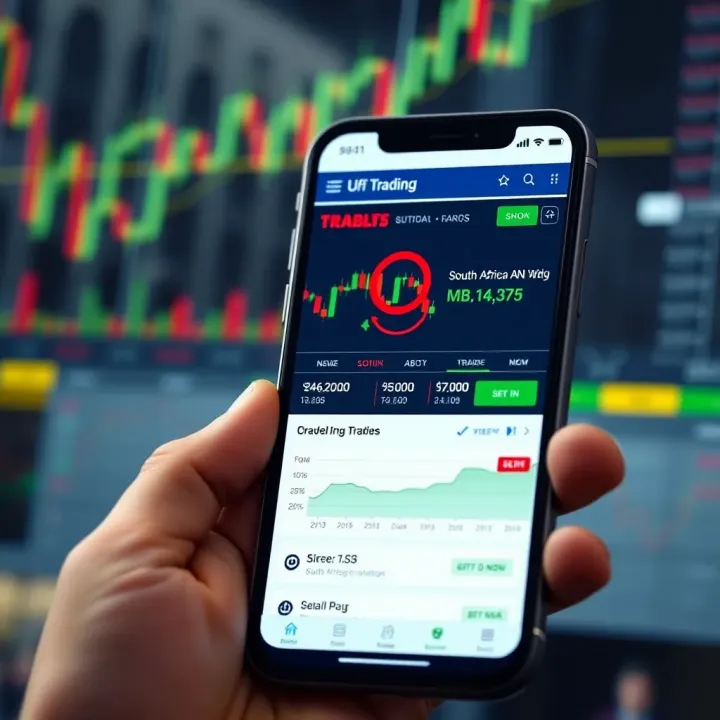
Fee structure: Some apps offer zero or low brokerage but make their money through currency conversion or inactivity charges. Take GT247 and EasyEquities as examples, both popular locally, but differing in fee models.
Security and regulation: Confirm the platform is FSCA-regulated to safeguard your investments through investor protection schemes. Security features like two-factor authentication (2FA) are also a must.
Ease of use and features: Beginners might favour clean, simple interfaces with educational content, while seasoned traders seek advanced charting tools and technical indicators.
Range of instruments: Some platforms focus on JSE shares alone, while others add international stocks, ETFs, or cryptocurrencies. Choose depending on your investment goals.
Customer service: Quick response times and helpful support can be crucial – especially when markets move fast or technical glitches arise.
Remember, the cheapest app isn’t always the best. Look for reliability and transparency, not just flashy features.
Later sections will review specific South African trading apps, highlighting their strengths and the types of traders who’ll benefit most. But the starting point is understanding your own needs and how different platforms measure up against them.
Choosing a trading app is not only about jumping on the next trend but making a sound choice that can help grow your portfolio safely and efficiently.
Choosing the right trading app as a South African user involves more than just finding one with a slick interface. Your choice should match your investment goals, local realities, and technical comfort. From fees to security and available markets, understanding these factors helps you avoid costly mistakes and ensures smoother trading.
Good trading apps keep things straightforward. They use familiar currency formats like the Rand (R) and adapt to local conventions, ensuring you don’t fumble when trying to buy JSE stocks or check your portfolio. For instance, a clear menu with quick access to market news from South African banks or economic updates makes your daily trading less stressful.
Most South Africans trade on the go, so a trading app must perform well on mobile devices across different networks, including the sometimes patchy 3G or 4G. Apps that load fast, use minimal data, and work offline for key functions can save you from hitting data limits or struggling during loadshedding. A smooth mobile experience means you won’t miss out on timely trades.
You want trading apps that offer a broad selection of Johannesburg Stock Exchange (JSE) stocks and Exchange-Traded Funds (ETFs). This ensures you can build a diversified portfolio with familiar local companies—like Sasol or Standard Bank—and funds tracking key indices without hopping between multiple platforms.
The more experienced investor often looks beyond South Africa. A good app should allow access to US and European markets for stocks such as Apple or Tesla. This diversification can buffer your portfolio against local economic shocks and offers exposure to global trends.
Given the rise of digital assets, having the option to trade cryptocurrencies like Bitcoin or Ethereum within your app is a plus. Yet, South African users should check if the app supports popular local payment methods for buying crypto and how it complies with regulation.
Fees can seriously eat into your returns. Look out for apps charging low or no commissions on trades—EasyEquities, for example, offers commission-free trades on local shares. Keep in mind that spread costs (the difference between buy and sell prices) matter too, especially with CFDs or forex.
Some platforms charge to fund your account or withdraw funds, which can add up over time. Using platforms with free or inexpensive deposits and withdrawals is smart, especially if you plan frequent transactions.
Stay alert for less obvious fees like inactivity charges or platform usage costs. Some apps may also levy fees for currency conversions when trading international stocks.
Trading apps handle sensitive information and financial data, so robust encryption is non-negotiable. Look for apps using industry-standard SSL encryption to protect your login and transactions.
Apps regulated by South Africa's Financial Sector Conduct Authority (FSCA) offer added protection. Regulation ensures the platform follows local laws on client money safety, fair trading, and operational transparency.

Strong security starts with your login. Two-factor authentication (2FA) adds a layer by requiring a second form of verification, like a code sent to your mobile. This reduces risks from phishing and hacking attacks, which are sadly common in the trading space.
Knowing what to look for in a South African trading app saves you time, protects your money, and positions you for smarter investing suited to your needs and local market conditions.
Choosing the right trading app makes a big difference in your investing journey. This section reviews some of the most popular platforms among South African traders, highlighting what sets each apart. Knowing the strengths and limits of these apps helps you pick one that fits your needs, whether you're after local JSE shares, global exposure, or active trading tools.
EasyEquities aims squarely at new and casual investors who want a simple, affordable way to start. Its focus is on lowering entry barriers, with no minimums and the ability to buy fractional shares, which suits South Africans testing the investment waters without locking in large sums.
One big plus is EasyEquities’ straightforward interface—it’s very easy to navigate, even on mobile. Plus, its educational content helps beginners learn along the way. On the flip side, it isn’t ideal for advanced traders looking for complex orders or international CFDs. The app mainly sticks to shares and ETFs listed on the JSE.
EasyEquities charges low flat fees per trade, making it budget-friendly compared to traditional brokers. The asset range covers South African blue-chip stocks, ETFs, and some selected US shares. This mix offers local exposure plus access to major US companies without hefty fees or complicated paperwork.
SatrixNOW specialises in low-cost ETFs and index funds, perfect if you want to invest passively. It offers direct access to leading South African index trackers, which is handy given how ETFs have grown popular here for their diversification and cost efficiency.
The platform's design is uncluttered, with a focus on easy order placement and portfolio tracking. The mobile app lets you keep tabs on performance and rebalance your ETF portfolio on the go, handy if you want control without fuss.
SatrixNOW’s fees are competitive, especially for bulk investments in ETFs, often beating casual brokerages. However, its narrower product range means it’s not the best choice if you want a mix of single shares and other instruments.
ThinkMarkets offers access to Contracts for Difference (CFDs) across global markets, including shares, forex, indices, and commodities. This suits traders who want to speculate on price movements without owning the underlying assets, providing short-term trading flexibility.
Their trading platform includes advanced charting tools and technical indicators, appealing to active traders who rely on analysis. This sets ThinkMarkets apart from simpler apps by providing depth in research and trade execution.
Given its focus on CFDs and leveraged products, it’s best suited for those comfortable with higher risk and more complex trading strategies. Beginners should approach with caution or start with simulations.
IG offers broad access to local and global markets, including stocks, ETFs, CFDs, forex, and cryptocurrencies. This variety makes it a solid choice if you want to diversify across several asset classes under one roof.
Operating under South African financial regulations, IG complies with FSCA rules and offers investor protections that provide peace of mind. This aligns with South African regulations, a critical factor for ensuring your funds and data are secure.
IG provides strong customer support and an extensive library of tutorials, webinars, and market analysis. Their educational resources help users build skills and stay informed, valuable whether you're a learner or seasoned trader.
Picking the right trading app depends on what you want to achieve, your comfort with risk, and the tools you need. Taking time to compare apps like EasyEquities, SatrixNOW, ThinkMarkets, and IG can save you headaches and costs later on.
Knowing how to get the best out of your trading app can make a real difference in your investment journey. Trading apps bring markets to your fingertips, but without the right approach and habits, you might miss opportunities or expose yourself to unnecessary risks. This section highlights practical steps for setting up your account, making a solid trading plan, and staying informed – all crucial for success in South Africa's unique market environment.
South African law requires financial service providers to verify your identity to fight money laundering and fraud. So, when opening a trading account, you'll need to submit proof of ID (like a South African ID book or smart ID card) and proof of residence (such as a recent utility bill or municipal rates statement). These documents ensure the platform complies with the Financial Intelligence Centre Act (FICA). For example, without these, your account might be frozen or delayed, which is frustrating if you want to act fast on market moves.
Depositing money into your trading app should be done through secure, traceable methods. Most South African apps accept EFT (electronic funds transfer) from your bank account, which is safe and easy. Avoid third-party payments or cash deposits unless the platform explicitly allows them, as these can delay your access or cause security issues. For instance, funding via EFT from your FNB or Standard Bank account directly to the trading app reduces risks and speeds up clearing. Keep an eye on any deposit fees, especially if you're funding in smaller amounts.
Once your account is active, take a moment to set up your preferences carefully. This includes setting up two-factor authentication for extra security and choosing notification options to track trades or important updates without being overwhelmed. Also, confirm your currency settings in South African Rand to avoid unexpected FX charges. Some apps let you set daily trading limits or alerts to stay disciplined; these can come in handy, especially when markets are volatile.
A clear trading plan starts by knowing what you want to achieve. Are you saving for retirement, growing wealth, or making short-term gains? Your goals will dictate the types of assets you choose and how aggressive your trades should be. For example, EasyEquities might suit those starting with long-term South African ETFs, while ThinkMarkets might fit an active trader looking at international CFDs. Being clear upfront helps avoid chasing shiny stocks or hype.
Every trader faces risk, but managing it wisely is what separates success from losses. Decide how much of your capital you’re ready to risk on a single trade—many recommend no more than 1–2%. Using stop-loss orders, available on apps like IG South Africa, caps potential losses automatically. Also, diversifying across sectors or asset classes reduces the blow if one investment dips. A poor trader might double down on losing stocks; a savvy one cuts losses early.
Modern trading apps often include dashboard features to monitor your portfolio and individual trades. Regularly reviewing these insights helps spot trends and adjust your strategy. For instance, SatrixNOW provides clear charts showing how your ETF holdings perform relative to their benchmarks. Setting realistic benchmarks and reviewing your progress monthly keeps you honest and focused.
Keeping tabs on South African financial news equips you to make timely decisions. Resources like BusinessDay, Moneyweb, and Fin24 offer comprehensive coverage of JSE trends, company results, and regulatory changes. For example, reading up on Eskom’s latest load-shedding schedules or SARB’s interest rate decisions can explain market swings. Some apps integrate newsfeeds to alert you on relevant events.
Trading apps let you customise alerts for price movements, dividends, or market openings. This is especially useful in South Africa where the market can be affected by unexpected events. Maybe you’re alerted when a stock you follow hits a target price or when your portfolio’s value dips by a certain percentage. Setting alerts means you don't have to be glued to your phone but still stay in the loop.
Loadshedding affects more than electricity bills; it can disrupt markets and trading volumes. For instance, delayed transactions or difficulties in internet access may affect your ability to trade during peak load-shedding times. Plus, economic events like inflation data releases or fiscal policy updates influence investor sentiment. Staying informed about these factors helps you anticipate volatility or pause trading when conditions are unfavourable.
Trading smart means being prepared at every step—from paperwork to picking trades and reading the market pulse. Follow these practical tips to use your trading app effectively and confidently.
Trading via apps offers great convenience, but it also comes with pitfalls that can trip up new and experienced traders alike. Understanding common mistakes helps protect your investments and keeps your trading journey on track. These errors can cost money, waste time, or compromise your security if not handled properly.
Recognising impulsive trades requires awareness that many losses come not from market movements but from rash decisions. For example, chasing a stock just because it suddenly surged without doing proper research can lead to buying at the peak and losing out when the price drops. Market volatility often tempts traders to jump in and out too frequently, which usually eats up profits through unnecessary fees plus poor timing.
How to keep emotions in check means having a clear plan and sticking to it. Tools like stop-loss orders or setting daily trade limits on your app can help curb impulse moves. When a share price falls sharply, it’s natural to panic, but reacting hastily may deepen losses. Regularly reviewing and adjusting your trading strategy without letting fear or greed dictate your moves can improve your performance over time.
Calculating costs versus returns is vital, especially when you’re just starting. Some apps look cheap on the surface, but hidden costs like withdrawal fees or inactivity penalties can chip away at your gains. If you buy and sell shares too often, commissions add up quickly. Always factor in all the fees before committing to a platform or investment.
Choosing low-fee platforms wisely involves more than picking the cheapest option. A platform with low costs but poor execution speed or limited assets may restrict your opportunities. For instance, EasyEquities is popular in South Africa for low fees and broad access to JSE shares. On the flip side, a platform may charge more but offer better tools or advice. Find the balance that suits your trading style and budget.
Importance of strong passwords cannot be overstated. Many traders underestimate how vulnerable their accounts are. A weak or reused password is an open door for hackers. Make use of password managers and create complex passwords unique to each trading app.
Dangers of sharing login details also pose a major risk. Even if you trust a friend or family member, sharing your credentials can lead to unintended trades, withdrawals, or exposure to scams. Trading platforms are regulated by the FSCA (Financial Sector Conduct Authority) and require personal responsibility for your account. Keep your login details private and enable two-factor authentication whenever it’s available.
Staying mindful of these mistakes can make the difference between steady growth and costly setbacks in your trading journey. Use technology to your advantage but stay alert and disciplined.
📈 Learn how broker trading works in South Africa, from choosing the right broker to understanding fees, platforms, regulations, and managing risks wisely.

Explore synthetics trading in South Africa 📈: understand synthetic assets, trading platforms, risks, regulations, and smart investment strategies.

Explore top online trading apps in South Africa 📱, learn about features, security, costs, regulations, and get practical tips for smarter trading decisions.
📈 Copy trading apps let South African investors mirror experts' trades automatically. Learn benefits, risks, top platforms, regulation & tips for smart trading today.
Based on 13 reviews