

Understanding Synthetics Trading for South African Investors
Explore synthetics trading in South Africa 📈: understand synthetic assets, trading platforms, risks, regulations, and smart investment strategies.
Edited By
Sophia Mitchell
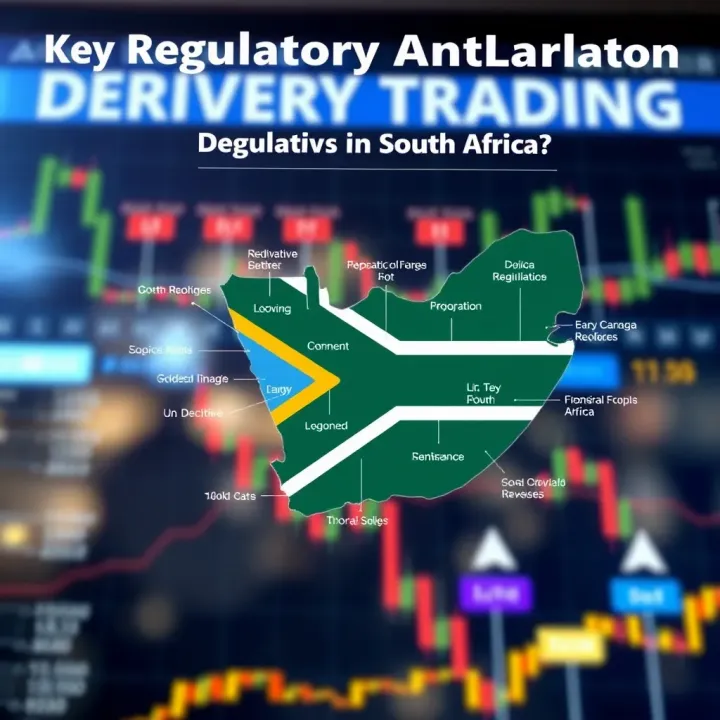
Derivative trading in South Africa operates within a clear legal and regulatory framework designed to protect investors and maintain market integrity. Unlike some informal markets, derivatives here are subject to oversight by specific authorities to curb abuse and ensure transparency.
The primary regulator for derivative trading is the Financial Sector Conduct Authority (FSCA). It oversees the conduct of market participants such as brokers, exchanges, and financial service providers offering derivative products. Its role is to ensure these entities operate fairly and comply with financial laws.

Alongside the FSCA, the Johannesburg Stock Exchange (JSE) plays a key part by listing and regulating derivative products such as futures and options. These instruments must meet the exchange’s criteria, including disclosure and capital requirements.
South Africa’s derivatives market is governed mainly by the Financial Markets Act 19 of 2012. This legislation sets out rules on how derivatives may be traded and dealt with, licensing requirements, and disclosure obligations. It aims to foster a transparent market where risks are well managed.
Compliance with the Financial Intelligence Centre Act (FICA) is also crucial. This means all derivative traders and service providers must verify client identities to prevent fraud and money laundering, underscoring the seriousness of the market’s regulation.
For practical context, a retail investor in South Africa cannot simply speculate on derivative contracts without going through a registered provider or broker. These intermediaries are bound by rules to assess whether such trading suits the investor’s risk profile.
In summary, derivative trading in South Africa is tightly regulated, with the FSCA and JSE enforcing strict guidelines under financial market laws. This regulatory environment protects traders while supporting the growth of sophisticated financial products.
Understanding these regulations helps investors and traders navigate the market with greater confidence and reduces exposure to unregulated risks.
Understanding derivatives and their place in South Africa’s financial landscape is key for traders, investors, and advisors alike. Derivatives are financial contracts whose value depends on the price of an underlying asset, such as commodities, currencies, interest rates, or stocks. They serve various practical roles—from hedging risks to speculating on price movements.
Derivatives include instruments like futures, options, swaps, and forwards. For instance, a farmer in the Free State might use futures contracts to lock in maize prices ahead of the harvest, protecting against price drops. Meanwhile, currency derivatives can help importers manage exchange rate risk when dealing in US dollars or euros. These contracts don’t represent ownership of the asset itself but rather the right or obligation to buy or sell under specific terms.
South African derivative markets chiefly operate through the Johannesburg Stock Exchange (JSE), which offers standardised derivative products accessible to local investors. However, there’s also a significant over-the-counter (OTC) market where customised contracts are negotiated directly between parties, often involving bigger players like banks or corporations.
Derivatives play a vital role beyond speculation. They provide valuable tools for risk management, allowing businesses and investors to stabilise earnings or costs. For example, airlines may use fuel derivatives to hedge against volatile petrol prices caused by global events, thereby maintaining a predictable budget.
Moreover, derivatives enhance market efficiency by improving liquidity and enabling price discovery. When diverse market participants engage with derivatives, it creates a more dynamic environment where prices better reflect underlying economic factors.
Clarity around derivatives is especially important given the complexities and risks involved. Proper understanding helps market participants avoid unexpected losses while benefiting from these financial instruments.
In South Africa, derivatives trading is carefully overseen by multiple regulatory bodies that each handle different aspects of the market. These authorities work together to ensure market stability, protect investors, and uphold transparency in derivative transactions. Understanding who these players are and what they do helps traders, investors, and financial advisors navigate the regulatory terrain more confidently.
The FSCA is the primary watchdog for market conduct in South Africa's financial sector. When it comes to derivatives, the FSCA ensures that brokers, traders, and platforms act fairly and comply with the rules designed to protect consumers. For example, they regulate licensing requirements and oversee continuous compliance, so derivative products aren't misused or abused.
The FSCA also investigates complaints and enforces penalties against those who step out of line. This means if a trader suspects foul play or misleading information in the derivatives market, the FSCA is the go-to body for recourse. Their mandate directly contributes to boosting confidence among market participants and safeguarding the financial system.
The SARB handles the macroprudential oversight of financial markets, including derivatives. Its focus is on systemic stability — making sure that derivative activities don’t threaten the banking system or the broader economy. Through the Prudential Authority, the SARB supervises financial institutions involved in derivatives trading, monitoring their risk exposures closely.
A practical example: should a bank take on excessive derivative risks that might jeopardise its capital base, the SARB steps in to impose corrective measures. This helps prevent a domino effect that could trigger wider financial distress. SARB's role is particularly vital given how derivative losses in other countries have sparked market turmoil.
The Johannesburg Stock Exchange (JSE) runs the exchange-traded derivatives market in South Africa. Beyond facilitating trades, the JSE enforces trading rules, monitors market conduct, and maintains the integrity of the marketplace. They ensure contracts are standardised and settlements happen smoothly.
Take equity derivatives or futures contracts traded on the JSE as an example. The exchange requires rigorous disclosure and clearing protocols, reducing counterparty risk. They also implement real-time monitoring systems to detect unusual trading patterns, which helps prevent market manipulation.
Together, the FSCA, SARB, and JSE form a framework that balances investor protection, financial stability, and efficient market functioning for derivatives trading in South Africa.
Each authority focuses on a specific layer of oversight but cooperates to close gaps and support a trustworthy market environment. For traders and investors, engaging with regulated entities under this framework provides an additional layer of security and recourse.
By knowing which authority handles what, you can better manage compliance risks and ensure that your derivatives trading remains within South Africa’s legal boundaries.
South Africa’s derivative trading operates within a well-defined legal framework designed to bring stability and trust to the financial markets. Understanding the key legislation helps traders and investors navigate the rules, mitigate risks, and comply with set standards. There are three main pieces of legislation that stand out in regulating derivatives.
The Financial Markets Act 19 of 2012 (FMA) is the backbone of South Africa’s regulatory approach to derivatives trading. It creates a comprehensive system for recognising and overseeing exchanges, central securities depositories, clearing houses, and market participants. For example, the Johannesburg Stock Exchange (JSE) derives much of its oversight powers from this act.
Under the FMA, derivative instruments must be traded on licenced exchanges or through regulated over-the-counter (OTC) platforms. This safeguards against market manipulation, insider trading, and operational risks. The Act also sets out rules for transparency, fairness, and investor protection. Traders dealing in futures or options contracts must comply with these provisions to avoid sanctions.
Not all derivative transactions go through formal exchanges. OTC derivatives—agreements between parties directly, without a central platform—are subject to specific regulations under the FMA and related notices issued by the FSCA. These rules focus on reducing systemic risk and increasing market transparency.
For instance, South African law requires that certain OTC derivatives be reported to an approved trade repository. This reporting obligation helps regulators like the FSCA track exposures and monitor risks that could threaten the financial system. There are also margin requirements imposed to ensure parties hold adequate collateral, reducing the chance of defaults.
FICA plays a critical role in preventing financial crimes within derivative trading. Since derivatives can be complex and opaque, the risk of their misuse for money laundering or terrorism financing exists.
Under FICA, firms must implement know-your-customer (KYC) procedures—verifying client identities, monitoring transactions, and reporting suspicious activities to the Financial Intelligence Centre. A derivatives trader onboarding a new client will need to collect proper documents and maintain records according to these guidelines.
Clear legislative frameworks like these ensure South African derivatives markets remain fair, transparent, and resistant to abuse.
In practice, if you’re a trader, understanding these laws isn't just about ticking boxes. It’s about staying informed to protect your investments and uphold market integrity. Compliance improves your credibility and smooths your dealings in a market where rules are taken seriously.
By staying aware of the FMA, OTC regulations, and FICA obligations, South African market participants gain a clearer picture of what’s expected and how to operate within legal boundaries. This knowledge is essential not only for individual success but also for contributing to a stable and trustworthy financial environment.
In South Africa, registration and licensing are vital for those involved in derivative trading. These requirements ensure that brokers and traders operate within a clear legal framework, maintaining market integrity and protecting investors. Without proper licensing, entities risk severe penalties, including fines or bans from the market.
The Financial Sector Conduct Authority (FSCA) sets stringent criteria for licensing derivative brokers and traders. Applicants must prove they have the necessary financial resources, expertise, and systems to manage market risks effectively. For example, a broker must demonstrate adequate capital reserves to cover potential losses, alongside clear procedures for client fund protection.
The FSCA also checks the qualifications and experience of key individuals managing the business, ensuring they understand both derivative products and the regulatory environment. Robust internal controls and risk management policies are essential; this includes having compliance officers and audit functions in place. A failure in any of these areas could lead to licence denial.
Once licensed, brokers and traders must meet ongoing compliance duties to keep their licences valid. Regular reporting to the FSCA is mandatory and includes updates on financial status, client transactions, and any significant business changes. For instance, quarterly financial statements and annual compliance reports help regulators monitor stability and fairness.
Compliance also involves following margin requirements and risk management protocols prescribed under relevant legislation. These safeguards help prevent undue exposure that could jeopardise clients or the overall market. Trading records must be accurate and accessible in case of regulatory audits.
Licensed derivative traders and brokers play a key role in safeguarding the financial ecosystem. Their adherence to FSCA rules isn't just red tape—it builds trust and stability.
Overall, the registration and licensing requirements in South Africa are designed to ensure that derivative trading is conducted responsibly and transparently. Traders and brokers who meet these standards contribute to a safer, more reliable financial market for all participants.
Ensuring consumer protection and market integrity is vital in South Africa's derivatives market, where complex financial products can pose significant risks. Such measures work to protect investors, maintain confidence in the markets, and prevent abuse or manipulative behaviour. For traders and investors, this means a clearer understanding of the risks involved and reassurance that the playing field is fair.
Disclosure requirements compel derivative brokers and trading platforms to provide clear, timely information about contracts, fees, risks, and pricing. This transparency helps investors make informed decisions and avoid unpleasant surprises. For example, the JSE mandates that all derivative contracts listed on its platform come with detailed prospectuses explaining margin calls and price fluctuations.
Transparency is not just limited to contract details but extends to the reporting of trades to regulators and the public. This practice helps curb insider trading and market manipulation, ensuring the integrity of price discovery. Investors benefit since visible market activity reduces information asymmetry, giving them better insight into market conditions.
Managing risk is at the heart of derivative trading regulation. Margin requirements act as a financial buffer, ensuring traders have enough equity or collateral to cover potential losses. In South Africa, the FSCA sets margin minimums to curb excessive speculation that can ripple through the economy.
Apart from initial margin, variation margin rules require parties to post additional funds if the market moves against their position. For example, if a farmer hedges crop prices by using derivatives, margin calls protect both the farmer and counterparty from defaults. This system helps stabilise the market, especially during volatile periods when quick portfolio adjustments are needed.
Strong risk management also means brokers must implement robust systems for monitoring client exposure and stress testing portfolios. This further prevents systemic risk and offers clients more reliable service.
The FSCA holds the power to investigate and sanction firms or individuals who breach derivative trading laws. Sanctions can range from fines and licence suspension to criminal prosecution for serious violations like fraud or insider trading.
Enforcement keeps market participants honest. For instance, a derivative broker caught failing to disclose risk adequately or manipulating prices risks heavy penalties, including reputational damage. These consequences underscore the seriousness of compliance.
Effective enforcement ensures all players operate under the same rules, contributing to a stable financial market where investors feel secure.
In practice, regular audits, surveillance systems, and whistleblower protections help uncover irregularities early. This vigilance helps maintain market confidence and protects consumers from losses caused by reckless or dishonest behaviour.
Overall, consumer protection and market integrity measures in South Africa's derivatives market play a fundamental role. They safeguard investors, support fair trading conditions, and contribute to the healthy functioning of the financial system.
Explore synthetics trading in South Africa 📈: understand synthetic assets, trading platforms, risks, regulations, and smart investment strategies.
Explore how proprietary trading firms operate in South Africa 🇿🇦, their benefits, challenges, local regulations, and tips for traders aiming to succeed 📈💼.

Explore top online trading apps in South Africa 📱, learn about features, security, costs, regulations, and get practical tips for smarter trading decisions.

📈 Explore key option trading platforms in South Africa, learn how they work, features to look for, risks involved, and tips for smarter trading decisions.
Based on 6 reviews