

Understanding Forex Trading Robots for South African Traders
Understand how forex trading robots automate currency trades 🤖, weighing benefits and risks for South African traders before adding them to your strategy.
Edited By
Lucas Bennett
Artificial intelligence (AI) trading bots are increasingly common tools in the forex market, known for executing trades automatically based on programmed algorithms. In essence, these bots analyse currency price movements and trends, then place trades without human intervention. This approach offers speed and removes emotional decisions, traits crucial in fast-moving forex markets.
Most AI trading bots work by processing vast amounts of historical and real-time data, spotting patterns that suggest profitable opportunities. For example, a bot might detect a recurring dip in the rand against the US dollar during certain hours and execute a buy order just before this dip to capitalise on the rebound. This ability to crunch numbers and act swiftly can aid traders who might otherwise miss fleeting chances.
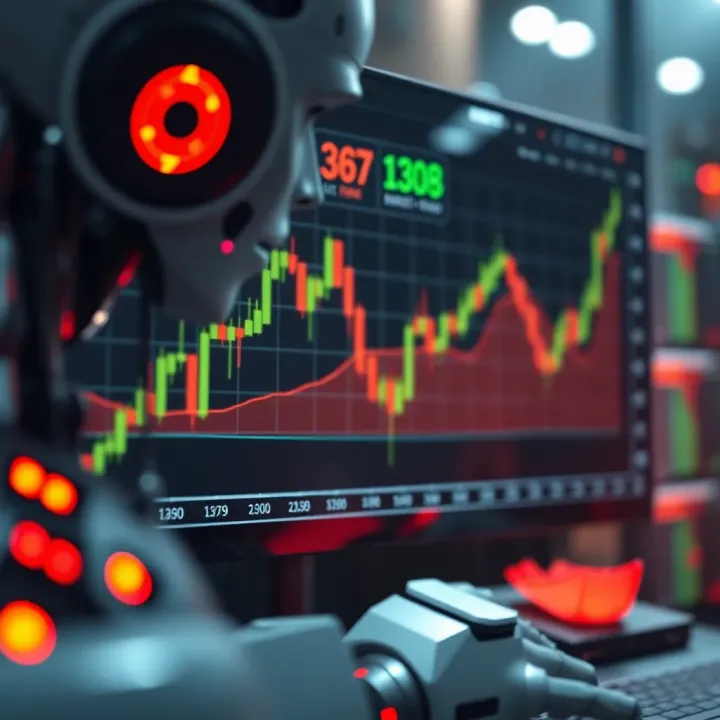
It's key to understand that AI bots aren't crystal balls; they rely on past data and patterns, which means unforeseen events, like sudden geopolitical tensions or unanticipated SARB policy shifts, can catch them off guard.
For South African traders, these technologies come with both advantages and caveats. On the upside, bots can work around the clock, handling the emotional fatigue that often accompanies human trading. They also provide accessibility for newcomers to forex, offering preset strategies that reduce the learning curve.
However, there are risks. Bots can misinterpret noisy data during volatile periods such as Eskom load-shedding announcements or rand fluctuations caused by local elections. Traders might find their bots executing multiple losing trades before adjustments are made. Additionally, vetting and choosing a reliable AI bot is crucial — many available options vary significantly in quality and transparency.
To select an AI trading bot suited for your needs, consider these factors:
Strategy compatibility: Does the bot follow strategies you understand and feel comfortable with?
Backtesting results: Has the bot demonstrated consistent performance over historical data reflecting various market conditions?
Transparency: Are you able to see and adjust the bot's parameters?
Cost structure: Understand any upfront, monthly, or performance-based fees.
User reviews: Check feedback from South African traders where possible.
In short, AI trading bots can be practical tools to complement your forex approach if used thoughtfully. They offer efficiency and a steady hand in markets prone to sudden swings, but they’re no substitute for a trader’s understanding and vigilance. Approaching them as aides rather than replacements will give you the best chance of success in the dynamic world of forex trading.
Understanding how AI trading bots work in forex markets is key for anyone wanting to use them effectively. These bots apply artificial intelligence to analyse currency price movements and execute trades automatically. This means traders can save time, avoid emotional decisions, and react quickly to fluctuating market conditions.
AI involves creating computer systems capable of performing tasks that usually need human smarts, such as learning from data, recognising patterns, and making decisions. In forex trading, this means a bot uses past and real-time data to anticipate price changes without constant human input. For example, an AI bot might identify that the South African rand tends to weaken during specific global commodity price shifts and adjust trading strategies accordingly.
Machine learning is a subset of AI where bots improve their performance by learning from historical and new data. Instead of following fixed rules, these bots adapt. A forex trading bot might use machine learning to detect subtle market signals that predict volatile trading hours in the rand/USD pair. By continuously refining its models, the bot evolves, aiming to improve trade success rates over time.
Forex bots process vast amounts of financial data, including price quotes, trading volumes, economic indicators, and news feeds. Effective bots don't just react to price changes but factor in diverse inputs like interest rate announcements or geopolitical tensions affecting currencies. For instance, a bot might analyse data feeds from both the JSE and global markets to make decisions on ZAR/USD trades.
After processing data, bots apply pattern recognition algorithms to detect trends or anomalies. If a bot notices a repeating price pattern that historically precedes a drop in the rand's value, it might execute a sell order automatically. The decision-making also involves assessing risk, deciding when to enter or exit trades based on predefined parameters. This ability to identify patterns and act fast helps traders access market opportunities that might be missed by humans watching screens.
While AI trading bots don't guarantee profits, understanding how they process and react to forex markets enhances your ability to use them wisely and tailor strategies to your trading goals.
AI trading bots have steadily carved a niche in forex trading, offering practical benefits beyond mere automation. They equip traders with speed, consistency, and access to complex strategies, all of which can be challenging to manage manually, especially when markets move rapidly or data piles up. Understanding these advantages helps traders decide how to blend AI tools into their strategy effectively.
Faster trade execution is a standout benefit of AI trading bots. In forex markets, where seconds can mean the difference between a profit or a loss, bots execute trades automatically the moment their programmed criteria are met. For instance, if a bot spots a favourable movement in the EUR/ZAR pair just as news breaks, it can place orders far quicker than any human sitting behind a screen. This immediacy reduces slippage—the risk of executing a trade at a worse price due to delay—and can protect a trader's gains.
Bots also excel at handling large volumes of data that humans can't realistically process in real time. They analyse multiple currency pairs, economic indicators, and technical signals simultaneously without missing a beat. This capability allows the detection of subtle patterns and correlations that might pass unnoticed by manual traders. A South African trader relying on an AI bot might find it easier to manage exposure across the volatile rand and other global currencies during a turbulent market session.
One of the subtle, yet critical advantages of AI bots is following algorithms without bias. Humans can stray from their trading plans, often influenced by hope or fear. Bots strictly adhere to their programming, ensuring that every buy or sell action is consistent with the strategy. This eliminates subjective guessing, offering a disciplined approach that matches long-term goals.

Alongside, these bots are great at reducing human emotional errors. Traders often second-guess themselves after a loss or get overly greedy during a winning streak. AI removes this emotional rollercoaster by sticking to rules regardless of market mood swings. For instance, during a sudden rand crash, a bot won’t hesitate or panic; it will act just as designed, maintaining composure where even seasoned traders might flinch.
AI trading bots enable the implementation of advanced strategies that are difficult to execute manually. Strategies like high-frequency trading or complex arbitrage demand lightning-fast calculations and reactions, which bots can perform effortlessly. For example, an algorithm exploiting fluctuations between USD/ZAR and EUR/USD pairs simultaneously uses AI to maximise profit opportunities.
Moreover, bots offer backtesting capabilities—the ability to test strategies against historical data before risking actual capital. This feature lets traders evaluate how a bot would have performed under various market conditions, refining strategies to suit their risk appetite. Local traders can use backtesting to simulate reactions to previous rand shocks or Eskom-related market disturbances, adjusting parameters accordingly.
Adopting AI trading bots doesn't mean handing over control blindly; it's about enhancing your trading edge with speed, discipline, and tech-driven insights.
This combination of speed, dispassionate consistency, and complex strategy access makes AI trading bots a noteworthy addition for forex traders, especially when navigating the unpredictabilities of global and South African markets alike.
AI trading bots promise a lot to forex traders, but they come with downsides that anyone using them should understand. This section unpacks some of the key risks tied to AI bot use, highlighting practical challenges and offering insight into how these might affect your trading results.
Market volatility can be brutal on AI trading bots. Most bots rely on historical data and established patterns to make decisions – so when there’s a sharp shift like a geopolitical shock, sudden economic data release, or unexpected Eskom loadshedding announcement, bots can struggle to adapt quickly. These systems aren’t designed to 'sense' breaking news or sentiment shifts the way a human trader might. For example, during the rand’s sharp movements in reaction to South African Reserve Bank (SARB) rate changes, bots tuned to usual patterns may fail to adjust fast enough, leading to missed opportunities or poor trade entries.
The cold precision of bots can turn against you when the market moves unpredictably. If a bot continues to follow an outdated algorithm in a rapidly changing environment, it may execute trades that compound losses. Losses aren’t just theoretical — South African traders have seen bots drain their accounts during volatile phases of the rand or commodity prices. Risk management controls like stop-loss orders must be integrated, but even then, sudden spikes may cause slip or execution delays. Recognising this risk means you should never set and forget these bots; regular checks and limits on trade sizes help manage exposure.
Bots can fall victim to overfitting – where their trading model is too closely tailored to past data and fails to account for future market realities. It’s like training a dog to respond only to one command in a quiet room but expecting it to perform perfectly at a noisy braai. When the forex market’s conditions shift, such precise models lose accuracy swiftly. This can lead to poor trade signals, excessive trading activity, or a strategy that simply stops working in practice.
Updating bot algorithms regularly is vital to ensure they keep pace with ongoing market changes. A strategy that worked well last year might falter today because of shifts in global economics, trader behaviour, or South African policy changes affecting the rand. Reputable bot providers offer frequent updates, patch bugs, and tune parameters to current conditions. Traders who ignore these updates risk sticking with outdated tech that won’t perform as expected. Think of it like ignoring your car’s warning lights – it might drive fine for a while but is bound to break down.
AI trading bots often require access to your trading accounts and personal data. This opens the door to data privacy concerns, especially if bots come from unknown or less reputable providers. Poor encryption or data management could expose your details or even login credentials to hackers. South African traders should ensure bots comply with POPIA (Protection of Personal Information Act) and avoid any service lacking clear privacy policies.
No software is perfect. Bots can crash, freeze, or suffer from connectivity issues, especially during high market activity. Even a brief downtime during the rand’s turbulent hours can mean missed trades or stuck positions. Technical problems might also arise from server failures or bot-provider maintenance without prior warning. A practical safeguard is maintaining manual oversight and having emergency action plans rather than relying solely on automation.
While AI bots can simplify trading, understanding their limitations and potential risks is key to trading smart and safeguarding your capital. Regular monitoring, cautious use of automated strategies, and sensible risk management remain essential.
This section highlights why traders should be cautious and informed when using AI bots in forex, keeping an eye on volatility, model integrity, and security issues that can impact performance.
Selecting the right AI trading bot is fundamental to achieving consistent success in forex markets. The sheer variety of bots makes it tempting to settle for the most popular or cheapest option, but matching the tool to your trading style, target returns, and risk appetite is what really counts. A bot that may suit an active day trader might flounder with a more conservative, longer-term approach. Understanding key factors like performance, costs, and support will help you avoid those costly pitfalls.
A solid trading bot should back up its claims with verifiable results over different market conditions. Many vendors showcase impressive win rates or growth percentages, but it's crucial to dig deeper. Look for bots with detailed audits or third-party verification rather than just screenshots of statements. For instance, a bot that has consistently grown capital—even during rand volatility or unexpected global shocks—would stand out. Backtesting over years is one thing, but a proven track record in live trading makes a bigger impression.
Your AI bot needs to work smoothly with the platform you trust, whether that's MetaTrader 4, MetaTrader 5, cTrader, or a local broker's custom terminal. Without proper integration, you might face delays in execution or fail to access certain currency pairs popular in South African trading, like USD/ZAR. Some bots might require a specific operating system or stable internet connection, so ensure your setup supports these requirements. Compatibility also extends to your trading style; an automated scalping bot won't fit well with a swing trader's platform set-up.
Many AI trading bots come with monthly or yearly subscription fees. This model suits traders who prefer predictable expenses and ongoing updates. For example, a R500 monthly fee might give access to new features and a team that monitors performance. However, be wary of bots that lock you into long contracts without an easy exit option. Some platforms also offer free trials or tiered subscriptions, letting you test with minimal risk before committing.
Some services charge commission per trade or on profits, which can chip away at your returns—especially if the bot trades frequently. Hidden fees may also include withdrawal charges or data feed costs. Always read the fine print and do some calculations: a bot with low subscription fees but high commission might cost more than one with a higher upfront price but no extra charges. Remember, in South African markets, forex brokers can have unique fee structures, so understanding these alongside bot fees is vital.
A responsive and knowledgeable support team can save you heaps of trouble when technical glitches or setup questions pop up. Bots that provide live chat, phone support, or prompt email responses are preferable. For example, a bot with 24/7 support could help South African traders working late at night due to time zone differences with global markets. Without proper support, you risk losing trades or damaging your accounts while hunting for answers.
The forex market is always shifting. Bots that receive regular updates to fix bugs, improve algorithms, or adapt to new market behaviours stand a better chance of maintaining performance. Outdated software tends to underperform and may even freeze during critical moments. Look for transparency about update schedules and a track record of continuous improvement. Some vendors post changelogs or development roadmaps, giving you confidence that the bot evolves with market demands.
Choosing an AI trading bot isn't just about flashy results – it's about fit, costs, and ongoing support to keep your trading smooth and effective.
The right bot will blend well with your personal style and local market conditions, helping you trade smarter, not harder.
Navigating the forex market with AI trading bots offers South African traders a boost in efficiency but also demands practical awareness of the unique local challenges. Understanding local market specifics, knowing how to weave AI bots into a strong trading strategy, and maintaining diligent oversight can make the difference between success and setbacks.
South Africa’s forex environment is shaped by regulations that traders must respect. The South African Reserve Bank (SARB) oversees currency controls and ensures forex dealings comply with the Exchange Control Regulations. These rules impose certain limits on foreign currency transfers and require accurate record-keeping. Traders should ensure their AI bots operate through licensed brokers who comply with SARB regulations to avoid penalties or blocked transactions.
The rand’s volatility also weighs heavily on trading outcomes. Political events, economic data releases, and Eskom’s load-shedding cycles can cause sudden rand moves that impact currency pairs involving ZAR heavily. For instance, the rand often weakens during uncertain political climates, which can lead to unexpected losses if bots are set on static parameters without risk buffers. Successful traders tailor their bots’ sensitivity to these fluctuations or restrict trading during anticipated high-volatility times.
Risk management is key when employing AI bots. Rather than handing over all control, set clear stop-loss limits and trade size caps within your bot’s settings. This prevents large drawdowns during unfavourable market swings. For example, adjusting the bot to halt trading after consecutive losses or during sharp rand drops helps protect capital. Also, diversify by targeting several currency pairs rather than just focusing on the rand, reducing exposure to local volatility.
Despite bots carrying out automated trades, manual oversight remains essential. Monitoring trades allows you to identify when the bot’s model no longer fits market conditions—say if a new policy shifts macroeconomic trends. A blended approach where bots handle routine execution and the trader intervenes to pause, adjust or override ensures a safety net against errant trades.
Regular performance reviews help ensure your AI bot stays effective over time. Track key metrics like win ratios, average returns, and drawdown periods weekly or monthly. This data reveals if the bot requires recalibration or if market shifts are impairing its predictive power. For instance, if the bot’s success rate on ZAR pairs suddenly drops after a major budget speech, it might need new parameters or an updated algorithm.
Adapting to changing markets is non-negotiable. The forex market doesn’t stand still, especially in South Africa where external shocks and internal developments prevail frequently. Update your bot’s training data and algorithms whenever possible, and be ready to disable automatic trading during geopolitical crises or economic downturns. Combining this flexibility with consistent monitoring keeps your trading viable amid Mzansi’s unique market twists.
Regularly updating and supervising your AI trading approach keeps you in control — a vital safeguard in South Africa’s dynamic forex scene.
By keeping these practical tips front of mind, South African forex traders can make AI bots work for them while managing risks tied to local conditions and the bot’s own limitations.
Understand how forex trading robots automate currency trades 🤖, weighing benefits and risks for South African traders before adding them to your strategy.

Explore forex funding in South Africa 🇿🇦: Learn how forex funders operate, find tips for traders, and discover ways to access and manage funded accounts 💼💰.
📈 Explore forex classes tailored for South African traders. Learn essential trading skills, picking the right course, and practical tips to boost your confidence in the market.
📈 Discover how signal trading helps South African traders make smarter moves with expert tips, types of signals, benefits & risks explained clearly.
Based on 14 reviews