
Understanding Ripple and XRP: A Clear Guide
Explore Ripple crypto 🪙, understand XRP's role, tech, legal challenges & safe buying tips for South Africa and beyond in this detailed guide.
Edited By
Amelia Grant
In the cryptocurrency world, the term HODL has become a rallying cry for many investors. At first glance, it might look like a typo of "hold," but it’s far more than that. HODL signifies a long-term commitment to keeping cryptocurrencies through market ups and downs rather than selling off in panic when prices drop.
The idea behind HODL is straightforward but powerful: despite volatile market swings, patience and resilience can often lead to better returns over time. This approach contrasts with frequent trading, which tries to capitalise on short-term gains but comes with higher risks and costs.
In South Africa, where cryptocurrency adoption has grown alongside a sometimes unstable economic environment and loadshedding disruptions, HODLing offers a practical strategy. Investors who stick to HODL avoid knee-jerk reactions during price dips influenced by both global trends and local events.
Holding cryptocurrencies through turbulent times requires discipline but can pay off by riding out the noise of daily price movements.
The term originated back in 2013 on a Bitcoin forum where a user accidentally typed "HODL" instead of "hold" during a frantic market crash. The typo caught on and morphed into shorthand that now encapsulates the philosophy of steadfastness in crypto investing.
For traders and investors, adopting a HODL mindset means:
Resisting the urge to sell when the market is bearish.
Focusing on long-term trends rather than short-term fluctuations.
Preparing mentally and financially to hold assets through uncertainty.
Local investors often face unique challenges, such as fluctuating Rand value and regulatory changes. HODLing can help mitigate some pressure by reducing transaction fees and capital gains tax triggered by frequent buying and selling. It also fits well with a buy-and-hold ethos that aligns with broad investment principles advocated by financial advisors.
Overall, HODL is not just a catchphrase but a practical approach for those looking to weather cryptocurrency’s wild ride while aiming for solid long-term results.
Understanding what HODL means is the first step for anyone getting serious about cryptocurrencies. It's more than just a quirky term — it represents a key mindset and approach to handling crypto investments, especially when markets swing wildly. For South African investors navigating swings influenced by both global trends and local issues like loadshedding or exchange control, grasping the true meaning of HODL can help avoid hasty decisions that harm long-term gains.
HODL began as a simple typo. Back in 2013, a BitcoinTalk forum post intended to say "hold" but ended up as "HODL." Instead of correcting it, the crypto community embraced the term, turning it into a symbol of steadfastness amid market chaos. It’s a funny reminder that even mistakes can spark something bigger — in this case, a rallying cry for patience and persistence.
The term's quirky origin makes it memorable and instantly recognisable. Plus, it captures the emotional reality that many investors face: struggling not to sell when prices dive. So, HODL is less about perfect spelling and more about holding your nerve.
Soon after that initial typo, HODL took off in online communities. Forums like BitcoinTalk became hubs where investors shared stories of losses and wins, often encouraging each other to HODL through downturns rather than panic selling. This grassroots adoption gave the concept a kind of community-backed legitimacy.
This early adoption mattered because it shaped a collective identity in crypto investing. It helped newcomers see holding as a viable strategy rather than just ignoring changes or blindly trading. In South Africa, where access to fast, constant internet isn’t always guaranteed, the idea of holding through slow market phases resonates well.
At its core, HODL means keeping your cryptocurrency over the long haul despite short-term price drops. Instead of flipping coins for quick profits, HODLers aim to ride out the storms, believing in the asset’s future value. For example, someone buying Bitcoin in 2016 and still holding onto it today in 2024 would be a classic HODLer.
This strategy suits investors who trust crypto’s fundamentals and aren't worried about daily price swings. It also helps avoid extra transaction costs and capital gains complications from frequent buying and selling, which can be especially useful for South African investors mindful of tax implications.
Unlike day trading or frequent selling, HODLing is a calmer, less reactive approach. Traders try to capitalise on market volatility, buying low and selling high within short time frames. HODLers, on the other hand, deliberately avoid reacting to noise, sticking with their initial investment for months or years.
This distinction is crucial because it affects risk exposure and emotional strain. Active trading demands constant attention and can lead to rash decisions during sharp dips — a common trap in South Africa’s sometimes unpredictable financial climate. HODLing provides a way to sidestep this stress by focusing on the bigger picture rather than the daily price tickers.
In summary, defining HODL helps investors identify a clear, intentional stance on crypto investments — one that champions patience and resilience over impulsive moves, a particularly useful approach in volatile markets.

HODLing means holding onto your cryptocurrency for a longer stretch, no matter the market's mood swings. In practice, it requires patience and a clear plan, since prices can jump up and down wildly. Particularly in the South African context, where economic shifts and loadshedding add extra noise to the market, a steady hand is key.
One challenge of HODLing is dealing with the emotional rollercoaster when crypto values rise and fall sharply. Many investors panic sell when prices dip, only to miss out on rebounds. Staying calm helps you ride out the storms today so you’re in a stronger position tomorrow. For example, after Bitcoin dropped below R300,000 in early 2022, those who held their coins saw gains when the price bounced back past R500,000 months later.
Holding steadily also means trusting your initial research and goals rather than reacting to every headline or social media frenzy. That kind of emotional discipline prevents rash decisions that might hurt your portfolio.
The crypto market has seen numerous crashes followed by recoveries. The 2018 Bitcoin crash wiped out about 80% of its value, yet many long-term holders eventually enjoyed profits years later. Similarly, Ethereum’s price plunged in mid-2021 due to regulatory fears but climbed steadily afterward.
By sticking to HODLing, investors benefit from these recoveries without attempting to time the market, which can be risky and stressful. These examples highlight how patience often pays off better than frantic selling.
A crucial part of successful HODLing is securely storing your coins away from online threats. Cold wallets — hardware devices that keep your assets offline — reduce the risk of hacks or scams. Popular options include Ledger Nano S and Trezor Model T, widely trusted among South African users.
Keeping your crypto offline might not be the quickest way to trade, but it’s safer in the long run, especially if you’re not planning to sell soon. Treat your hardware wallets like your personal safe: keep them somewhere secure and remember your recovery phrase.
While HODLing focuses on long-term holding, you’ll still need trustworthy exchanges when buying or eventually selling. South African platforms like Luno and VALR offer user-friendly interfaces, good security, and local bank integration for easier rand deposits and withdrawals.
Choosing an exchange with clear governance and regulatory compliance helps avoid headaches later on. These platforms also sometimes offer staking or earning interest on crypto holdings, adding some passive income during your HODL period.
Successful HODLing combines emotional discipline with smart use of storage tools and reliable exchanges, helping investors weather market ups and downs while safeguarding their assets.
Investors choose to HODL for several strategic and psychological reasons that go beyond simple market speculation. This approach often suits those who believe in cryptocurrency’s long-term potential and prefer to avoid the pitfalls of constant buying and selling. Understanding these motives can help you decide if HODLing fits your investment style.
One of the biggest draws of HODLing is the chance to benefit from the long-term appreciation of cryptocurrencies. Unlike shares that might pay dividends, many crypto assets offer gains mainly through price increases over time. For example, someone who bought Bitcoin back in 2015 and held on through various market crashes could have seen their investment multiply several times over by 2024. While short-term swings might cause anxiety, the underlying belief is that strong cryptos will recover and grow in value, especially as adoption increases globally and locally.
Investors who HODL also sidestep the stress of timing the market perfectly—which often proves tricky even for seasoned traders. Holding for long periods means you don’t need to monitor price movements every day, which suits those with a busy lifestyle or those who lack access to constant data, such as during loadshedding or unstable internet conditions common in South Africa.
Trading cryptocurrencies frequently can rack up transaction fees, particularly on platforms with higher withdrawal or conversion costs. By holding long term, investors reduce these charges significantly, which improves net returns. For instance, if you trade Bitcoin every week through an exchange like Luno or VALR, fees on deposits, withdrawals, and trades quickly add up.
On the tax side, while South African Revenue Service (SARS) treats crypto as an asset subject to capital gains tax (CGT), HODLing can be beneficial. Selling assets less frequently often means fewer taxable events and can help spread gains across tax years, potentially avoiding jumps into higher tax brackets. Managing when to realise profits is a practical way to balance tax liabilities.
Market volatility tends to provoke emotional reactions. Many new investors panic during sharp price drops and sell at a loss, missing the eventual recovery. HODLing encourages discipline, helping people resist the urge to make knee-jerk decisions. This self-control is crucial in crypto, where prices regularly swing wildly within hours or days.
For example, during the 2018 crypto winter, a lot of investors gave up on their holdings but those who stayed patient often saw their portfolios recover and grow as markets bounced back. Learning to stay put fosters more confidence and often leads to better financial outcomes.
The HODL culture is strong in crypto communities, both globally and within South Africa. Forums, Telegram groups, and WhatsApp chats often reinforce the mindset that holding through tough times is a badge of honour and smart investing. This social support can be reassuring when local economic uncertainty or load shedding disrupts normal access to markets.
Moreover, community events or online discussions help educate members about developments like DeFi or NFT trends, often solidifying belief in crypto’s potential. Sharing stories of long-term holdings turning profitable inspires newcomers and deepens commitment among veterans.
In essence, HODLing blends practical benefits with psychological strength and community backing, making it a popular strategy for those looking to ride out the ups and downs of cryptocurrency markets rather than chasing quick profits.
HODLing captures the idea of holding onto cryptocurrencies for the long term, but it’s far from a risk-free strategy. Investors need to be aware of several risks and practical considerations before deciding to HODL. These include market volatility, potential permanent value loss, and external factors like regulation or technical shifts. A cool head and a clear plan help balance the optimism behind HODLing with a realistic view of its pitfalls.
One key risk when HODLing is that the coin or token could lose most or all of its value permanently. Unlike traditional investments, some cryptocurrencies face complex technical or adoption challenges that can cause them to become worthless. For example, coins linked to failed projects or scams can plummet to zero — no matter how long you hold.
Even established cryptocurrencies like Bitcoin or Ethereum aren’t immune to dramatic drops. The volatility is quite intense, and while prices may bounce back over time, there’s no guarantee. This means holding through sharp downturns can be a nerve-wracking test of patience and resilience.
Technological shifts or new regulations can quickly change the landscape for cryptocurrencies. If a blockchain has a major security flaw or gets outdated technology-wise, its value might nosedive as users lose confidence. For instance, a competing cryptocurrency with faster speeds or better privacy features can make older ones less attractive.
Regulation is crucial, especially in South Africa where authorities are still shaping crypto rules. Any regulatory clampdown, like banning certain coins or increasing compliance burdens, could affect prices or accessibility. Investors should keep an eye on South African Reserve Bank (SARB) guidance and any local policy changes to avoid nasty surprises.
HODLing shouldn’t mean ignoring all market signals. Knowing when to cash out or take some profit protects investors from unexpected downturns or market shifts. Setting clear goals or price targets beforehand can help take the emotion out of tough calls.
For example, if you bought Bitcoin at R100,000 and it hits R500,000, you might decide to sell a portion and secure gains. This way, you don’t gamble everything on the hope of an even bigger rise. Keeping cash ready to reinvest or diversify keeps your options open.
No investment strategy fits all. HODLing works best when it's part of a broader, diversified approach. Combining long-term holds with active trades, safer assets like bonds, or even shares listed on the JSE spreads risk and smooths returns.
Diversifying also helps handle the unpredictability of crypto markets better. For instance, don’t put your entire savings into one coin just because you believe in HODLing. Mix in other assets and even cash cushions you against total losses.
Sticking to HODL requires balancing faith with caution. Understand the risks, watch the shifting landscape, and blend holding with strategic flexibility for better chances of success.
South African crypto investors tend to favour HODLing, especially with popular coins like Bitcoin (BTC) and Ethereum (ETH). These coins have established themselves as trusted stores of value amid local market volatility and currency fluctuations. For instance, many South Africans see holding Bitcoin as a hedge against rand depreciation, especially given recent spikes in inflation and economic uncertainty. Besides the top coins, altcoins such as Cardano (ADA) and Binance Coin (BNB) also find support among local investors who believe in their technology and use cases.
The economic and regulatory landscape significantly shapes how South Africans approach HODLing. Loadshedding and rising living costs push some to cautiously allocate funds into crypto assets, treating them as a long-term investment rather than a get-rich-quick scheme. However, concerns around regulatory changes—such as proposed crypto tax policies or exchange controls—mean investors watch government announcements closely. The Financial Sector Conduct Authority (FSCA) currently encourages strong consumer protection, which impacts how much confidence investors place in local platforms and assets.
Loadshedding and intermittent internet access pose real challenges when managing crypto holdings. South Africans holding large crypto stacks should consider hardware wallets, which store private keys offline and prevent dependence on continuous internet access. Also, planning transactions during scheduled load shedding stages helps avoid failed or incomplete transfers. Mobile data bundles or backup power banks can offer emergency connectivity for essential management tasks.
Choosing trustworthy exchanges and wallets is crucial for South African HODLers. Platforms like Luno and VALR have gained local trust due to regulatory compliance, transparent fee structures, and robust customer support. Meanwhile, hardware wallets such as Ledger and Trezor provide additional security for long-term holdings, shielding investments from online hacks. Always remember to verify wallet authenticity and never share private keys, as scams and phishing attempts are unfortunately common.
For South African investors, smart HODLing means balancing patience with practical precautions against local hurdles like loadshedding and regulatory shifts.
By focusing on reliable coins, understanding the regulatory environment, and securing holdings through reputable wallets and platforms, you stand a better chance of navigating South Africa's unique crypto scene successfully.
Explore Ripple crypto 🪙, understand XRP's role, tech, legal challenges & safe buying tips for South Africa and beyond in this detailed guide.
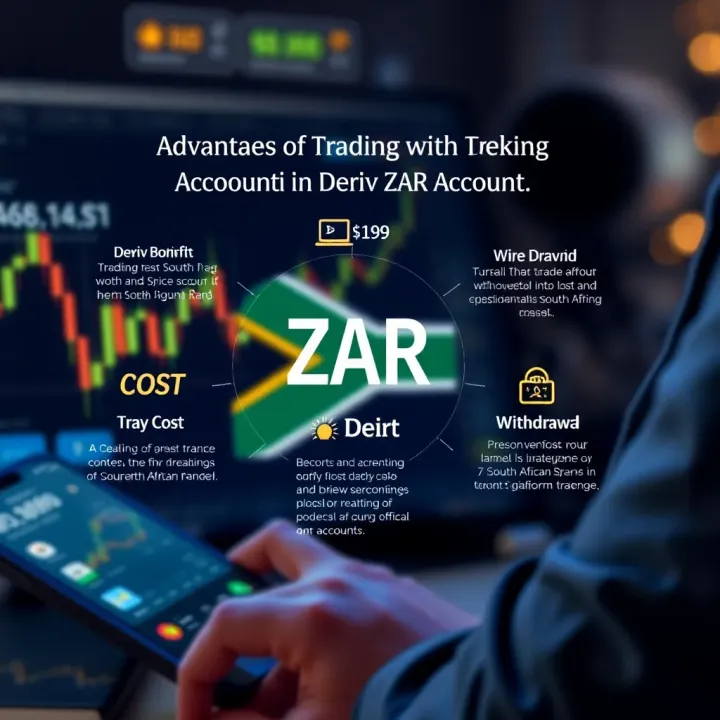
📊 Learn how a Deriv ZAR account works for South African traders. From setup and funding to costs, regulations, and withdrawals—trade in Rand confidently!
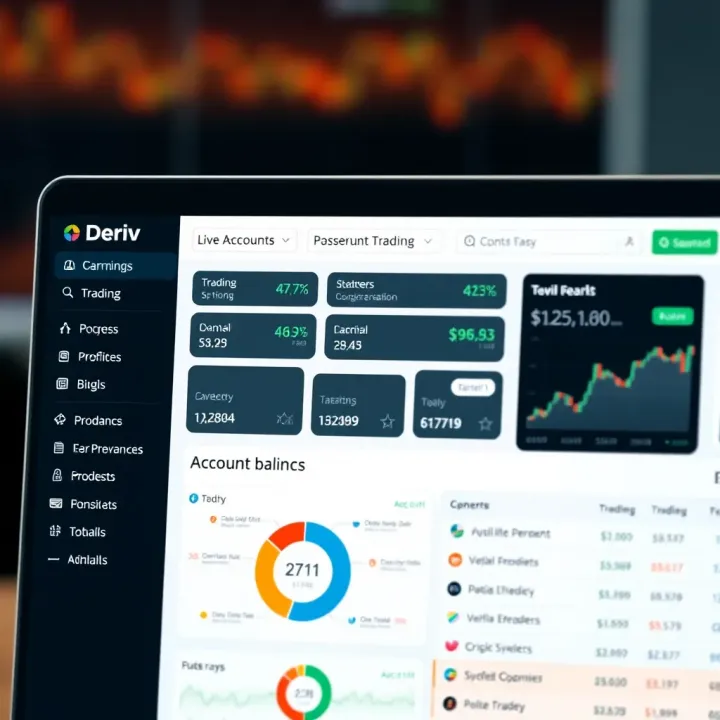
Learn how to open and manage a Deriv live account confidently 🇿🇦 Explore features, funding options, security tips, and trading pointers tailored for South African traders 💹
Learn the minimum deposit amounts R required by IFX brokers for South African traders 🛠️ Compare costs, trading options and choose a broker that fits your budget and goals 📊
Based on 10 reviews