
Understanding Free Margin in Trading
📊 Understand free margin in trading — how it shows funds ready for new trades or to cover current ones. Learn to manage your capital and risk effectively in SA markets.
Edited By
Henry Walsh
Margin is a fundamental concept in forex trading, especially for those looking to trade actively with limited capital. At its simplest, margin represents the money you need to put down as a security deposit to open and maintain a position in the forex market. Think of it as a good faith deposit that your broker requires to cover potential losses.
Traders in South Africa often encounter margin requirements expressed as a percentage of the trade size. For example, a broker might offer a margin of 1%, meaning you can control R100,000 worth of currency with just R1,000 in your trading account. This practice allows you to multiply your buying power, but it also increases your exposure to risk.
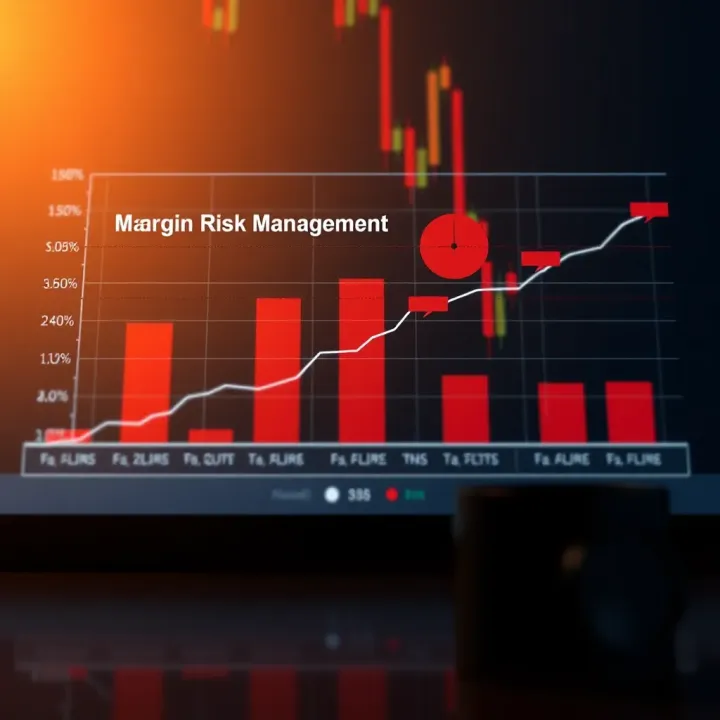
It’s crucial to understand that margin is not a fee or a cost; it’s collateral. The actual cost comes in the form of leverage, which magnifies both profits and losses.
Margins vary depending on the currency pair, market volatility, and broker policies. Major pairs like USD/ZAR or EUR/USD typically require lower margins than exotic ones, which are riskier and more volatile. In South Africa, brokers regulated by the Financial Sector Conduct Authority (FSCA) usually set clear margin rules to ensure traders don’t take on excessive risk.
Here’s what you should keep in mind:
Initial margin: The upfront amount needed to enter a trade.
Maintenance margin: The minimum amount that must be maintained to keep the position open.
Margin call: When your account balance falls below the maintenance margin, prompting your broker to ask for more funds or to close your positions to limit loss.
Using margin effectively means keeping a keen eye on your available funds and using stop-loss orders. Adding more margin than required won't safeguard you from losses but maintaining a buffer reduces the chances of an unexpected margin call during volatile market shifts.
Understanding margin equips you with the discipline needed to trade forex in South Africa’s unique market environment — where factors like rand volatility and the impact of Eskom’s loadshedding can throw up sudden price swings. It’s not just about the size of your trades, but managing your risk that matters most.
Margin is a fundamental concept in forex trading, acting as the cash a trader puts down as collateral to open and maintain a position. It’s not a cost or a fee but a portion of your trading capital set aside to cover possible losses. Think of it as the deposit you pay when booking a hotel room — it guarantees your commitment, but you still own the full experience.
Margin works like a security deposit in forex. When you open a trade, your broker requires you to hold a certain amount of money to cover potential losses. For example, if you want to buy R100,000 worth of US dollars against the rand, you won't need to have the full R100,000 in your account. Instead, the broker might ask for just R5,000 as margin, depending on the leverage offered. This R5,000 is reserved to hold your position open.
The key is understanding that margin isn’t the total cost but the collateral needed to open a trade. This makes trading accessible, but also riskier if you don’t watch your exposure carefully.
Margin and leverage go hand in hand but aren't the same. Leverage is the multiple that determines how much you can control with your margin. For instance, a leverage of 1:20 means you can trade R20 for every R1 of margin. In our example, putting down R5,000 margin gives you control over a R100,000 position.
This gearing effect magnifies both potential profits and losses. While margin is the cash set aside, leverage decides the size of your exposure relative to that cash. It’s why managing leverage wisely is crucial — higher leverage needs less margin but amplifies risk.
When you open a forex position, margin guarantees the broker that you back the trade with some capital. Without margin, you wouldn’t be able to enter large trades with limited funds. For example, if you have R10,000 and leverage of 1:50, margin allows you to open positions worth up to R500,000. The broker holds your margin until you close the trade.
Margin also influences your buying power and position size. More margin means you can support bigger trades; less margin limits you to smaller positions. However, stretching your margin too thin leaves you vulnerable to margin calls if the market moves against you. For example, if your account drops close to the margin amount, the broker may request more funds or close your positions to prevent losses spreading beyond your deposit.
In forex trading, margin acts as your trading security — it’s the cash you commit upfront to access greater buying power, but it requires careful management to avoid being caught out by market moves or margin calls.
Understanding margin is essential because it underpins how much you can trade, affects your risk level, and helps you see why brokers insist on minimum margins. For South African traders, knowing your margin requirements alongside local broker policies helps navigate trades confidently rather than walking into surprises.
Grasping the practical side of margin in forex trading isn’t just academic—it directly affects your ability to manage trades and limit unexpected losses. Understanding how initial and maintenance margin work helps you keep your trades afloat and your account safe from sudden liquidations. Let’s break down why these terms matter to any trader, especially in the volatile forex markets.
The initial margin is the amount of collateral you need to put down to open a trade. Think of it as a good-faith deposit with your broker, proving you have enough skin in the game. For example, if you want to buy a lot worth R100,000 with leverage of 1:100, your initial margin could be R1,000. This means your broker holds that R1,000 while the rest is essentially borrowed, boosting your market exposure.
On the other hand, the maintenance margin is the minimum amount you must maintain in your trading account to keep your positions open. If your account balance falls below this threshold due to market swings, you risk a margin call. Keeping tabs on this ensures you’re not caught off guard by sudden requests for extra funds—crucial in avoiding forced closures.
Regularly monitoring both margins is a practical way to avoid nasty surprises and maintain control over your trading.
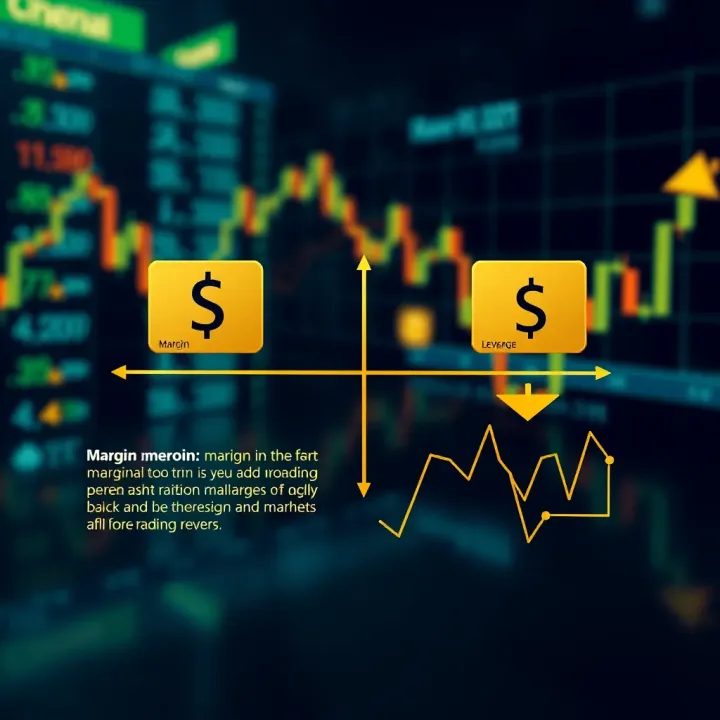
A margin call happens when your available margin dips below the maintenance margin level. This signals your broker that your account equity isn’t enough to cover current positions and risks. For instance, if you opened a leveraged position and the market moves against you, eating into your equity, your broker will ask you to top up your account or reduce your positions.
Stop-out levels come into play when you don’t respond to a margin call. At this point, the broker begins closing your losing positions automatically to prevent further losses—essentially protecting both you and the broker from dipping too deep into negative equity. In South Africa, where forex trading can swing quickly, understanding these triggers helps you set sensible stop-loss orders to manage risks effectively.
Being aware of this dynamic is key to staying solvent and avoiding being kicked out of the market unexpectedly. A practical tip is to always keep a buffer above the maintenance margin, especially when there’s heightened volatility or scheduled events like interest rate announcements.
In short, knowing the difference between initial and maintenance margin and how margin calls and stop-outs work equips you to trade smarter, not harder. It’s about preserving capital so you can seize future opportunities rather than getting wiped out on a single bad move. This understanding forms the backbone of solid risk management in forex trading.
Understanding how to calculate margin is essential for any trader looking to maintain control over their forex positions. Margin calculation determines the minimum amount of capital you must have in your trading account to open or maintain a position. This affects not only your buying power but also how much risk you're exposed to. If you misjudge margin requirements, you might face unexpected margin calls or forced closures, which can hurt your trading outcomes.
Calculating margin involves three main elements: position size, leverage, and the currency pair you’re trading. Position size is the number of lots you buy or sell. Leverage, which brokers offer and varies widely, indicates how much you can control relative to your actual funds. For example, with 100:1 leverage, you only need 1% of the total position value as margin. The currency pair’s current price then determines the Rand value of your trade.
Say you want to trade 1 standard lot (100,000 units) of EUR/USD. With EUR/USD at 17.50 ZAR, your position’s notional value is R1,750,000. At 100:1 leverage, margin needed is 1% of that amount, so R17,500. That amount must be in your account to open the trade. Knowing this helps you gauge how much capital you'll lock up and how many trades you could comfortably hold.
Using Rand values helps South African traders see exactly what’s at stake. For instance, if you trade USD/ZAR at 18.00, the cost of entering 1 standard lot is R1,800,000 without leverage. With 50:1 leverage, your margin reduces to R36,000. Comparing this to trading EUR/USD or GBP/USD shows how local currency pairs tie your margin to Rand fluctuations.
These examples highlight the importance of not just knowing leverage but also being aware of exchange rate shifts, which can affect your margin requirements unexpectedly. If the Rand weakens, margin in Rand terms rises, demanding more from your account.
Higher leverage lowers the margin you need upfront because you’re essentially borrowing more from your broker. For a trader with limited funds, this means they can control larger positions, potentially magnifying profits. For example, 200:1 leverage halves the margin required compared to 100:1, freeing capital for other trades.
That said, this doesn't come without risks. While a higher leverage reduces immediate capital needs, it increases your exposure and vulnerability to market swings. A small price movement against your position can wipe out your account faster under high leverage.
Good traders balance leverage carefully to avoid tempting fate. Instead of maxing out on leverage, it’s wise to pick a level that matches your account size and risk appetite. For example, if you have an account of R50,000, using 50:1 leverage rather than 200:1 might keep you safer from margin calls during volatile market moments.
Remember, margin isn’t just about numbers—it’s about understanding how your trades behave under pressure and managing your exposure. Always monitor your account’s equity and margin ratio, and avoid excessive leverage unless you can absorb rapid losses.
Calculating margin precisely and adjusting leverage wisely protects your capital and prevents nasty surprises when the market moves against you.
In short, knowing how to calculate and manage margin helps South African forex traders make informed decisions, balancing opportunity and risk with a clear eye on their available capital.
Trading on margin opens the door to both exciting opportunities and significant hazards. It’s vital to balance the advantages against the risks, especially in the fast-moving forex market where small moves can have big impacts on your account balance.
Margin trading allows you to control a much larger position than the actual cash in your trading account. For instance, with R10,000 in your account and 50:1 leverage, you might open a position worth R500,000. This means you can take part in bigger trades without committing all your money upfront. This is particularly handy for traders who want to diversify or seize multiple opportunities simultaneously without tying up all their funds.
Because margin increases your market exposure, it amplifies potential profits. A 1% move on a R500,000 position results in a R5,000 gain, compared to just R100 on a R10,000 position without margin. This boost can accelerate growth in your trading account when your trades go your way. Many South African traders find margin useful for tapping into volatile forex pairs like USD/ZAR or EUR/USD, where small percentage changes can translate into noticeable returns, especially when using decent—but not excessive—leverage.
While margin can multiply profits, it also magnifies losses. Using the earlier example, a 1% move against your position could wipe out half your initial capital. If the market moves sharply and unexpectedly, you could lose more than your deposit, especially if you don’t close positions in time. This is why trading on margin demands a thorough understanding of your exposure and how rapid market swings—like sudden rand weakness during political uncertainty—can impact your trades.
Effective risk control tools are essential when trading on margin. Stop-loss orders limit the downside by automatically closing your trades at predetermined levels, preventing catastrophic losses. For example, placing a stop-loss 0.5% below your opening price can cap your loss before it eats too far into your account. Beyond stop-losses, managing your position size relative to your capital, and regularly monitoring your margin ratio ensures you’re not caught off guard by margin calls during volatile sessions, such as after South Africa’s Reserve Bank policy announcements.
Margin trading is a double-edged sword: it offers a chance to boost profits but requires solid risk discipline to protect your capital.
By understanding these risks and benefits, you can trade more confidently and responsibly, making the most of forex opportunities while guarding against avoidable pitfalls.
Margin trading holds significant relevance in South Africa’s forex market, providing traders the chance to control larger positions without needing the full amount upfront. This setup appeals particularly to retail traders here, enabling them to engage more actively in the currency markets despite limited capital. However, margin trading also carries risks that South African traders must understand, especially given local rules and the economic realities like exchange rate fluctuations and loadshedding disruptions.
South African forex trading is subject to various compliance measures that help protect traders and the broader financial system. One key regulation is the Financial Intelligence Centre Act (FICA), which requires brokers and financial service providers to verify the identity of their clients. This process ensures that margin trading accounts are opened against real, legitimate individuals, reducing fraud and illegal activity.
Beyond FICA, brokers registered with the Financial Sector Conduct Authority (FSCA) must adhere to rules on margin and leverage. These include limits on the maximum leverage available to retail traders, intended to prevent severe losses that could destabilise personal finances. For example, many brokers capped retail leverage at 1:30 for major currency pairs, balancing the desire for higher buying power with risk management.
When selecting a broker in South Africa, reputation and clear margin policies are paramount. Traders should look for brokers regulated by the FSCA and those with transparent margin requirements and support services. A broker with fair margin call rules and swift communication can make a real difference when trades move against you.
Handling margin calls can be stressful, but South African traders often manage this by maintaining sufficient buffer capital in their accounts and setting automated stop-loss orders. Active monitoring of the margin ratio, especially during high volatility or loadshedding-related downtime, helps avoid unexpected liquidations. Local communities and trading forums occasionally share experiences and strategies for managing margin calls effectively, which can provide practical guidance.
Maintaining a trusted relationship with your broker and practising prudent margin management are vital steps to trading confidently in South Africa’s forex market.
In summary, understanding local regulations, choosing a reliable broker, and staying alert to margin calls form the backbone of safe and successful margin trading in the South African forex market.
Managing margin effectively can mean the difference between steady gains and painful losses in forex trading. This section offers practical advice on how to handle margin wisely, helping traders avoid common pitfalls and maintain control over their accounts. Being hands-on with margin management ensures you protect your capital while making the most of market opportunities.
It’s vital to align your leverage level with both the size of your trading account and how much risk you’re comfortable taking. For example, if you have a smaller account—say R10,000—it makes sense to keep leverage low, like 10:1 or even less, to avoid margin calls caused by minor market moves. Larger accounts might handle higher leverage, but that doesn’t mean it’s risk-free. Think of leverage as a double-edged sword: it amplifies gains but also losses, so your tolerance for risk should dictate how much you borrow from your broker with margin.
Overcommitting with high leverage can quickly drain your account when the market turns against you. Excessive leverage might seem tempting, especially if you want to maximise profits, but it can wipe out your equity faster than expected. For instance, at 100:1 leverage, a 1% adverse move can translate into a total loss of your initial deposit. Many local brokers impose leverage limits to protect clients, often capping it at 1:30 or 1:50 for retail traders. Sticking well below these limits lets you trade with more breathing room and less stress.
Margin ratio—the percentage of used margin compared to your available equity—needs constant attention. If your margin ratio creeps towards 100%, it means you’re biting off more than you can chew. For example, if your account equity falls due to losing trades but your used margin remains the same, your margin ratio worsens, increasing the risk of a margin call. Routinely checking this metric lets you adjust position sizes or close losing trades before things get messy.
Market volatility can rapidly change your margin requirements. Events like South African Reserve Bank announcements or unexpected political unrest in the region often cause swings that tighten margins unpredictably. If you’re sitting on thin margins during volatile times, you might encounter sudden margin calls even without new trades. To guard against this, it’s wise to keep a buffer of extra free margin and avoid full utilisation of your available margin. This safety net can help you weather unexpected moves without being forced to liquidate positions prematurely.
Keeping a close eye on your margin and adjusting leverage thoughtfully are essential habits for sustainable forex trading. Practical, hands-on margin management protects your account and gives you confidence to trade consistently.
Incorporating these tips into your trading routine will help you steer clear of nasty surprises and shape disciplined, risk-aware habits that suit the South African trading environment.
📊 Understand free margin in trading — how it shows funds ready for new trades or to cover current ones. Learn to manage your capital and risk effectively in SA markets.
🤖 Discover how forex robots automate currency trading, their pros and cons, and tips to safely use them on South African platforms while staying compliant.
📊 Discover how indices link with forex trading, what drives their movement, practical tactics for SA traders, plus essential risks to watch when trading currencies and indices.
Explore how robot trading works in the forex market 🤖, its benefits, key features, risks, and smart tips for South African traders 🇿🇦 to trade wisely.
Based on 13 reviews