
Understanding Surge Trading: Key Strategies and Risks
🔍 Explore surge trading in South Africa: tactics to spot quick market moves, risk controls, tools involved, and its effect on financial markets today.
Edited By
Amelia Grant
Automated trading, sometimes called algo trading, is the use of computer programmes to buy and sell financial assets automatically. These systems operate based on pre-set rules, without needing a human to make each trade. For anyone involved in trading or investing, understanding how this works is essential.
At its core, automated trading relies on algorithms — step-by-step instructions written to scan the market and act quickly when certain conditions are met. For example, a simple rule might be: "Buy a share when its price drops by 2% in a day." The software watches prices continuously and executes orders instantly, avoiding delays and emotion-driven decisions.
This type of trading has become common on major markets worldwide, including the JSE, where speed and precision are key. Software can spot trends and arbitrage (price differences) faster than any human. This helps traders manage risk and improve profitability, especially when markets move fast.
One reason automated trading appeals to South African traders is it can operate 24/7 online—critical for following global markets across different time zones.
The benefits include:
Speed: Trades happen in milliseconds, much quicker than manual orders.
Consistency: Removes human bias and mistakes from trading decisions.
Backtesting: Traders can test strategies on past market data before going live.
Diversification: Algorithms can manage multiple assets and strategies simultaneously.
However, it’s not without risks. Faulty codes or unexpected market events can cause significant losses. South African traders should also consider local factors like Eskom loadshedding impacting internet connectivity.
Getting started with automated trading usually involves access to a trading platform that supports programming custom algorithms or using third-party bots. Popular platforms like MetaTrader, NinjaTrader, or brokerages offering APIs allow this.
In the sections following, we will look at technologies powering automated trading, explore real-world examples, discuss regulatory considerations, and highlight how traders in South Africa can responsibly use such systems in their portfolios.
Automated trading is essentially the practice of using computer software to execute trades in financial markets based on predetermined rules or algorithms, without human intervention during the actual buying or selling process. This shifts the trading process from relying solely on human judgement to relying on systemised, rule-based decisions. For South African traders and investors, understanding this shift is vital because it can impact how quickly trades are placed, how consistently strategies are applied, and how trading decisions respond to market changes.
The key distinction lies in execution. Manual trading involves a trader analysing markets and making buy or sell decisions themselves, often driven by personal tactics, gut feeling, or news events. For example, a trader might decide to buy shares after hearing about a company’s positive earnings during a morning meeting. Automated trading, on the other hand, uses pre-set rules coded into software that automatically acts once certain conditions are met. This could mean, for instance, buying a share when its price crosses a moving average, without the trader needing to monitor the market continually.
This makes automated trading faster and removes emotional decision-making, which can cloud judgement in volatile markets. However, the flip side is that automated systems may lack flexibility if market conditions suddenly change in ways the algorithm did not anticipate.
Automated trading strategies come in different flavours, each suited to particular goals and market conditions. Trend-following strategies, for example, look for persistent directional movements in price and enter positions accordingly. A system might buy if a share price steadily climbs above its 50-day moving average and sell when it drops below.
Mean reversion strategies take the opposite approach, betting that prices will revert to an average after an extreme move. So if a stock price suddenly drops well below its historical average, the system may trigger a buy, expecting a bounce back. Other strategies like arbitrage or market making focus on exploiting small price differences between markets or providing liquidity. For South African traders using local markets or cross-listings on the JSE, these types offer different ways to engage automated systems depending on their appetite for risk and market conditions.
At the heart of automated trading are algorithms—sets of instructions that tell the computer what to trade, when, and how. These algorithms translate trading strategies into logic that can be executed instantly. For example, an algorithm may include rules like “if the RSI (relative strength index) drops below 30, buy a share; if it rises above 70, sell”. Algorithms handle speed and volume far beyond human capabilities, scanning multiple stocks or forex pairs simultaneously to seize opportunities.
The practical edge here is consistency and the ability to operate 24/7 in markets that never sleep, such as foreign exchange or cryptocurrency markets. However, the quality of the algorithm determines success—poorly constructed logic can lead to repeated losses if it doesn’t adapt to changing conditions.
Robust automated systems rely on a variety of market data points and technical indicators to decide when to enter or exit trades. Price data, volume, moving averages, momentum oscillators, and other indicators serve as triggers. In South Africa, traders might combine these with news feeds or even economic data releases specific to the local economy, such as quarterly GDP figures or Reserve Bank announcements, to build smarter strategies.
When the system receives real-time data, it constantly evaluates the conditions set by the algorithm. For instance, if a moving average crossover is programmed to signal a buy, the system watches price changes closely and acts the moment the crossover occurs. This eliminates lag between signal and execution, which in manual trading might cost precious seconds or minutes.
Automated trading blends technology with market insight, making it a powerful tool if understood and used carefully. It’s like having a vigilant assistant that never tires but must be guided by well-crafted rules to deliver results.
Automated trading offers a mix of clear-cut benefits and some practical challenges, which traders and investors need to weigh up before diving in. Understanding these pros and cons helps not just in getting the edge but also in managing risks effectively.
Automated trading systems execute trades faster than any human could, often within milliseconds. This speed means traders can capitalise on fleeting opportunities across different markets. For example, in the Johannesburg Stock Exchange (JSE), where price movements can be quick during volatile sessions, automated systems can respond immediately to signals and place orders instantly, reducing slippage.
This heightened efficiency also means traders can operate across multiple instruments simultaneously without fatigue. Doing this manually would be a tall order, especially during periods like the December festive season when market activity spikes. Thus, automation helps maintain consistent monitoring and swift action 24/7.
One of the classic challenges traders face is how emotions like fear or greed can cloud judgment, leading to impulsive decisions—like selling a good investment prematurely after a slump or holding onto a losing position for too long. Automated trading bypasses this human element by sticking strictly to pre-set rules and criteria.
This detachment ensures trades occur based on logic and data, not mood swings or market rumours. For instance, if a bot is programmed to sell when a stock hits a stop-loss point, it will do so without hesitation, even if the trader might be tempted to hold hoping for a rebound.
Before risking real cash, traders can use automated systems to backtest strategies against historical market data. This process helps in tweaking parameters to improve performance or avoid blind spots.
In South Africa, access to historical data on platforms like the JSE’s trading system or through providers like IRESS enables traders to simulate how their algorithms would have performed during various market conditions. Backtesting greatly cuts down guesswork and builds confidence before live deployment.
No system is infallible. Automated trading relies heavily on stable internet connections, server uptime, and bug-free code. A simple glitch or system crash at a critical moment can lead to trades not executing or unintended orders flooding the market.
A familiar example is during Eskom loadshedding: sudden power outages can disrupt desktop setups that aren’t backed by UPS (uninterruptible power supply) or failover systems. Traders must prepare for such tech hiccups by having backup plans to avoid substantial losses.
There's a trap known as overfitting—tweaking an algorithm so much to past data that it performs brilliantly historically but poorly in live markets. This false confidence can mislead traders into thinking a strategy is foolproof when it isn’t.
Traders may feel lulled into a sense of security after strong backtesting numbers despite the possibility that real-world market dynamics will differ. Regular reassessment and cautious forward testing can help guard against this.
Automated trading, especially at high frequencies, can affect market liquidity and price movements. If many traders use similar algorithms, large volumes might hit the market all at once, causing sudden price swings or ‘flash crashes’.
In South Africa’s less liquid markets, such rapid trading bursts could exacerbate these issues more than markets like the NYSE. Traders should stay aware of how their strategies might contribute to or suffer from such market reactions and consider liquidity carefully.
While automated trading can offer speed and consistency, it demands diligent oversight and preparation to navigate its technical pitfalls and market influences safely.
By balancing these advantages and risks, South African traders can make informed choices about incorporating automation into their portfolios.
Technology forms the backbone of automated trading, shaping its speed, accuracy, and reliability. Behind every trade executed by a machine lies a blend of software, data integration, and execution systems working seamlessly to ensure smooth operations. Understanding these components helps traders appreciate how algorithms turn strategy into action.
South African traders often use well-established platforms such as MetaTrader 4 and 5, NinjaTrader, and locally accessible platforms like EasyEquities. These offer user-friendly interfaces, support for custom algorithms, and access to multiple asset classes. EasyEquities, for instance, makes stock trading accessible with a low-cost structure and automated features, making it popular among new retail investors.
Beyond off-the-shelf platforms, programming languages like Python and C++ play a pivotal role. Python is favoured for its readability and extensive libraries for data analysis and machine learning, making it ideal for developing and testing strategies. Meanwhile, C++ offers speed and low-level hardware access, crucial in high-frequency trading where milliseconds count. Tools such as QuantConnect or Backtrader support strategy development, enabling traders to simulate and refine their algorithms using historical data before going live.
A critical piece is real-time data feeds. Without timely and accurate market data, automated systems would essentially drive blind. Whether from sources like the Johannesburg Stock Exchange (JSE) or international markets, these feeds supply price quotes, volume, and order book details essential for decision-making. For example, a trading system reacting to JSE index moves needs feed latency minimised to avoid slippage or missed opportunities.
The other half of the system involves order execution infrastructure. This ensures that once a signal triggers a trade, it reaches the market quickly and securely. Brokers with robust application programming interfaces (APIs) integrated into trading systems allow rapid order placement, modification, or cancellation. For South African users, brokers like Standard Bank Online Trading and PSG Online provide such connections, offering direct market access with minimal delays.
Efficient automated trading relies not only on smart algorithms but also on the seamless flow of data and orders through dependable infrastructure.
In summary, the right blend of software, programming skills, data feeds, and execution systems defines the effectiveness of any automated trading setup. Traders who understand these technologies can better evaluate their systems’ performance and limitations, making adjustments that align with their goals and market realities.
Starting with automated trading in South Africa offers practical avenues for traders wanting to tap into technology for smarter investment decisions. This approach can help local investors manage time better and even trade outside typical market hours without constant supervision. For those familiar with South African brokerages and trading platforms, it's a natural step towards modernising their trading strategies.
Many retail trading platforms available in South Africa now provide built-in automation tools. For example, popular options like EasyEquities and IG offer features allowing users to set basic automated rules for buying or selling shares based on market triggers. This makes automation accessible to traders without deep programming knowledge, helping retail investors benefit from algorithmic trading with a manageable learning curve.
Besides that, some platforms support API access, enabling tech-savvy users to connect custom tools or scripts to automate trades. This flexibility bridges the gap between beginner-friendly interfaces and professional-level automation, catering to a wide spectrum of traders.
Apart from platform-native automation, South African traders can explore third-party bots or algorithmic trading services. Services like ZuluTrade provide social trading bots where users can mimic strategies developed by experienced traders. These bots can scan multiple markets or instruments at speeds impossible for humans, offering potential benefits.
However, relying on third-party bots carries risks. It's essential to vet services thoroughly, as poorly programmed bots could amplify losses. Also, these services may charge fees or commissions, eating into profits. Traders should weigh costs and benefits carefully before committing.
Building a personal automated trading system starts with defining a clear strategy—often based on technical indicators or price patterns familiar to the trader. For example, a moving average crossover strategy might be a good starting point. After establishing rules, traders can use programming languages like Python or R to code the algorithm or leverage platform scripting tools such as MetaTrader's MQL.
Local meetups and online communities cater to South African traders interested in programming, making it easier to get practical advice or sample code. That said, coding demands patience and skill, so beginners should prepare for some trial and error.
Before risking real capital, testing the automated system using historical data—known as backtesting—is vital. This process helps identify if the strategy would have performed well in past market conditions, although past success doesn't guarantee future results.
Optimising takes it further by tweaking parameters to improve profitability while avoiding overfitting. South African traders might also simulate trading during local market hours and conditions, considering factors like market volatility influenced by economic news or geopolitical events unique to the region.
Starting smart with automation involves gradual exposure, cautious testing, and constant learning. South African market realities make localised testing and cautious deployment essential for reducing risk.
Automated trading can save time and make markets more accessible, but success depends on quality tools, good strategies, and prudent execution suited to the South African context.
When dealing with automated trading, understanding the regulatory and ethical landscape is essential. It shapes how these systems operate within the law and affects the overall trustworthiness of financial markets. For South African traders and investors, keeping an eye on compliance and ethical practices avoids legal trouble and preserves fair trading conditions.
South Africa has specific rules that govern algorithmic and automated trading to maintain market stability and protect investors. The Financial Sector Conduct Authority (FSCA) oversees these regulations, ensuring that algorithmic strategies don't disrupt market order. For instance, traders must register algorithmic systems with their brokers, who then report to the FSCA if anomalies arise. This creates accountability and transparency, especially important in volatile trading environments.
Additionally, the Johannesburg Stock Exchange (JSE) has technical requirements for automated trading to prevent system abuse or failures that could lead to unintended market disturbances. This includes limits on order sizes and mandatory kill switches to stop runaway algorithms. Knowing these will help traders avoid penalties and play their part in market stability.
Compliance for traders and providers often means meeting criteria around system testing, risk controls, and audit trails. Brokerage firms operating in South Africa typically demand that automated trading clients provide detailed information about their algorithms, including how they handle unexpected market events. This practical step means both traders and providers need sound risk management processes to prevent technical glitches from escalating.
Compliance is not just about ticking boxes; it's about ensuring your trading algorithms behave reliably and ethically under all market conditions.
Automated trading impacts market integrity by influencing price discovery and liquidity. When algorithms execute large volumes of trades rapidly, they can unintentionally create price swings or false signals. This shakes trust, especially if retail investors feel they're at a disadvantage compared to big players with sophisticated systems. Transparency about automation use thus helps maintain a level playing field, as does enforcing rules against manipulative tactics.
High-frequency trading (HFT), a subset of automated trading, raises concerns over market manipulation. Practices like "quote stuffing" — where algorithms flood markets with fake orders to confuse other traders — remain under scrutiny worldwide. South African regulators keep a close watch, tightening rules to curb such abuse. Traders found guilty can face hefty fines or bans.
The ethical responsibility extends to avoiding strategies that exploit milliseconds of latency or use privileged access unfairly. Respecting these boundaries supports healthier markets and fair access.
In summary, regulatory and ethical considerations work together in South Africa's automated trading sphere to ensure safety, fairness, and accountability. Traders who actively comply and recognise these principles contribute to a more robust and trustworthy financial system.
🔍 Explore surge trading in South Africa: tactics to spot quick market moves, risk controls, tools involved, and its effect on financial markets today.

⌚ Explore New York trading session hours and how they shape global forex markets. Learn tips tailored for traders working this key time slot worldwide. 🌍
📊 Understand free margin in trading — how it shows funds ready for new trades or to cover current ones. Learn to manage your capital and risk effectively in SA markets.
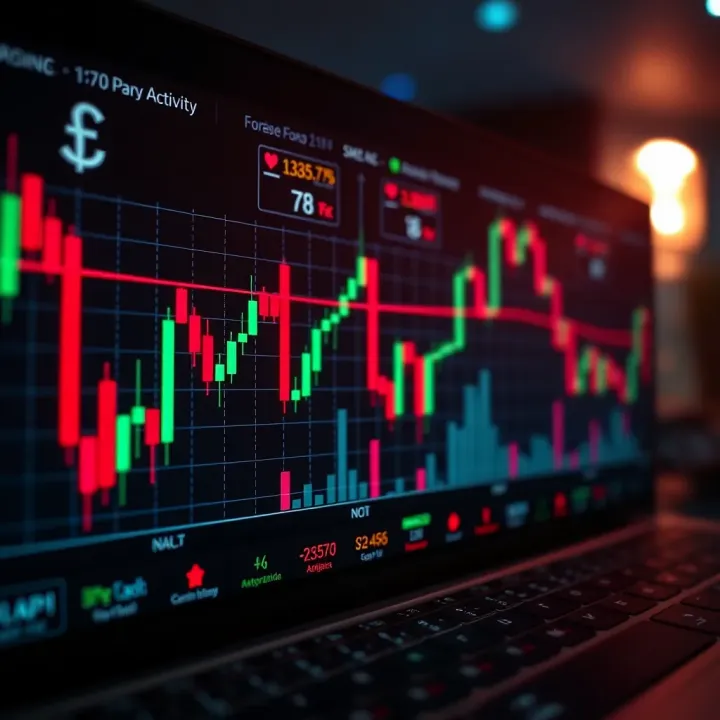
🤖 Discover how forex robots automate currency trading, their pros and cons, and tips to safely use them on South African platforms while staying compliant.
Based on 5 reviews