

Understanding Synthetics Trading for South African Investors
Explore synthetics trading in South Africa 📈: understand synthetic assets, trading platforms, risks, regulations, and smart investment strategies.
Edited By
Oliver Hughes
In South Africa, fake trading websites have become a thorn in the side of many investors keen to grow their money online. These sites often promise eye-catching returns, using slick designs and persuasive language to lure you in. But behind the scenes, they’re set up to part you from your cash with little chance of recovery.
The truth is, these scams prey on the desire for quick profits, exploiting gaps in online regulation and sometimes even South Africans’ eagerness to make smart investment moves. That’s why knowing how to spot a fake trading website and recognising fraud tactics is key to protecting yourself.
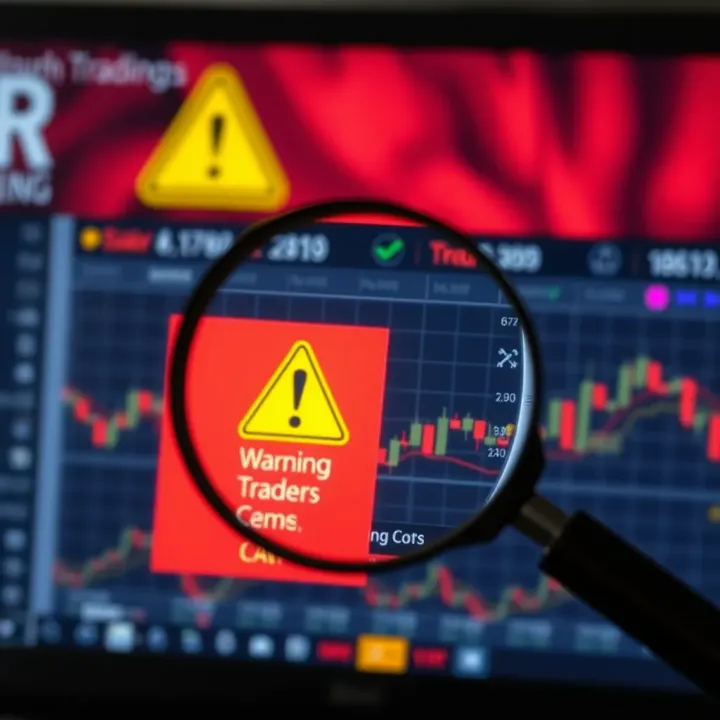
Fake trading sites often mimic legitimate platforms but lack proper licences from bodies like the Financial Sector Conduct Authority (FSCA), which regulates financial services in South Africa.
Look out for certain warning signs:
Too-good-to-be-true promises: Watch for guarantees of high returns with no risk. Real investments always carry some level of risk.
Suspicious contact details: Legit firms provide clear, verifiable contact info. If a site lists only generic emails or dodgy phone numbers, be wary.
Lack of regulatory information: Always check if the platform is registered with the FSCA or any other official financial authority.
Poor website quality or broken links: Legitimate brokers invest in maintaining their sites.
For example, some fraudulent trading platforms have masqueraded as forex brokers, offering unrealistic leverage ratios and bonuses. Once funds are deposited, withdrawal requests get ignored or delayed indefinitely.
Preventing losses means doing homework before signing up. Always cross-check a site’s credentials, read user reviews cautiously, and preferably consult financial advisors.
In the sections ahead, we’ll break down key traits that expose fake trading websites, show examples targeting South African investors, and share practical steps to keep your money safe online.
Spotting fake trading websites is a vital skill for South African investors. The number of scams targeting local traders has grown along with online investment popularity. Knowing the warning signs helps you protect both your money and personal data before committing funds. For instance, seeing a flashy website promising unreal returns should instantly raise eyebrows rather than lure you in.
Most genuine investments warn about risks, but fake trading sites often promise guaranteed returns of 10% or more monthly. This kind of certainty is a red flag because markets never offer such sure bets. If a platform insists you’ll earn big with no chance of loss, it’s usually a ploy to get you to deposit quickly without question.
In South Africa, legitimate trading platforms must be licensed by the Financial Sector Conduct Authority (FSCA). Fake websites often omit or fumble regulatory details. You might find vague mentions of compliance but no licence number or verifiable proof. Without proper FSCA licence information, you have no official recourse if things go wrong.
Legitimate platforms provide clear, physical addresses and contact numbers. Scam sites might only list email addresses or vague locations, sometimes outside South Africa. This lack of transparency makes it hard to verify who runs the site or hold anyone accountable. If you can’t find a physical presence, think twice before investing.
Fake sites often push you to deposit money fast, sometimes with countdown timers or limited-time bonus offers. The pressure is designed to stop you from doing proper research or consulting someone you trust. Any reputable investment will allow you time to make informed decisions without rushing.
A poorly designed site riddled with spelling mistakes or broken links usually signals a scam. While not every legit platform is perfect, a high volume of errors suggests low effort and lack of professionalism. For example, spelling “investment” as “investement” multiple times could mean the site was quickly put together by fraudsters.
Look out for platforms that ask you to pay via untraceable methods such as cryptocurrency wallets or wire transfers to offshore accounts without clear reasons. Real trading sites prefer secure and traceable transactions through regulated banks or recognised payment gateways, providing evidence of compliance.
Some scam websites load their pages with fake customer testimonials and overly positive reviews. These can be generic, copied from other sites, or include suspiciously similar names and photos. Checking independent review platforms or forums often reveals the real user experience and can expose these fakes.
Being alert to these signs of fake trading websites lets you avoid costly mistakes. Always take the time to check the details and never rush when investing your hard-earned Rand.
Recognising real-life examples of fake trading websites is key to avoiding them. These platforms often share common traits, and knowing their patterns helps you steer clear and protect your investments. South Africans have seen a rise in scams exploiting lack of financial awareness, so understanding these examples isn’t just academic – it’s practical and necessary.
One clear red flag is when a trading website operates without a licence from the Financial Sector Conduct Authority (FSCA). The FSCA is South Africa’s regulator ensuring financial firms comply with law and protect consumers. Scams bypass this by claiming to be regulated elsewhere or by using vague references to fake licences. For instance, several sites advertise themselves as ‘globally regulated’, but when checked against FSCA’s database, they aren't registered at all.
This puts investors at great risk since such platforms have no legal obligation to follow consumer protection rules, handle funds appropriately or provide transparency. Always verify FSCA registration before even considering investing.
Some fraudulent websites steal or copy the branding of legitimate financial companies, borrowing their logos and site designs to appear authentic. This tactic tricks users into believing they’re dealing with reputable firms. For example, fake sites might mimic names like Allan Gray or Old Mutual, adding subtle differences that go unnoticed by an unsuspecting investor.
This practice blindsides many because the websites often look convincing at first glance. Paying close attention to details like domain names, official website URLs, and checking directly on the official company’s site can expose these fakes.
Social media channels like Facebook, Instagram, and WhatsApp have become hot spots for scam adverts promising quick profits through trading. These posts often show flashy lifestyles with luxury cars and overseas trips, appealing to emotions and impatience.
Such promotions typically link to fake platforms that disappear once funds are deposited. South Africans should be cautious about investments pushed aggressively on social media without thorough background checks.
Many scam websites choose offshore hosting locations to avoid legal repercussions. By registering domains and servers outside South Africa, these operators make it difficult for local authorities to intervene when fraud is reported.
This presents practical challenges for victims trying to reclaim funds or pursue legal action. Knowing that a website is hosted offshore can be a warning; genuine South African trading platforms generally have clearer ties to local jurisdictions.
Fake trading platforms often hide their ownership details and omit a verifiable physical business address. Legitimate firms usually provide clear contact information, including office locations and licensed representatives.
If you come across a trading site without any verifiable background or physical address, it should raise suspicion. Transparency about the people running the business is an important trust factor.
Some fraudulent platforms go further by using manipulated trading software that shows fake trades or inflated profits to lure investors deeper. While the interface looks polished, data displayed can be rigged to mislead.
This is particularly dangerous because it creates a false sense of security and success, prompting investors to deposit more money. Genuine platforms offer clear account statements and independent verification of trades, whereas fakes rely on flashy but deceptive displays.
Always check multiple sources and ask tough questions before trusting any trading website. Confirm licensing, look for physical verification, avoid offshore-only operations, and never rely solely on the website’s appearance.
By understanding these reported platforms and common scam patterns, you can better navigate the online trading world in South Africa with greater safety.
When exploring online trading platforms, vigilance is your best defence. South African investors face a growing number of fake sites promising quick profits but ready to scam people out of their money. Protecting yourself means knowing exactly what to look for, checking licences, doing proper research, and adopting safe payment habits. It’s not just about avoiding scams; it’s about investing wisely with confidence and peace of mind.
The Financial Sector Conduct Authority (FSCA) regulates financial service providers in South Africa, including online trading platforms. To verify if a platform is licensed, visit the FSCA's public register where all authorised companies and individuals are listed. This simple check can save you from falling prey to unregulated operators hiding behind fake credentials.
Understanding FSCA regulation means recognising that licensed platforms follow strict rules aimed at protecting investors. This includes transparency in operations, proper handling of client funds, and regular audits. Platforms without FSCA approval lack oversight and are prone to fraudulent behaviour, so it’s critical to avoid them.
Research independent reviews to gain honest insights into a platform’s reputation. Forums, social media discussions, and consumer watchdog sites often reveal real user experiences and potential warning signs. For example, complaints about delayed withdrawals or unresponsive customer service should raise red flags.
Besides online research, consulting a financial advisor or trusted source can help you interpret information and assess risks. Professionals familiar with South African regulations and market conditions can guide you toward credible platforms and warn against suspicious offers.
Always use secure and traceable payment methods when transferring funds to trading accounts. Bank EFTs and credit card payments offer some protection and recourse in case of fraud. Keep receipts and transaction records for reference.
Be cautious with platforms requesting payment by cryptocurrency or gift cards. These methods are often irreversible and preferred by scammers. For instance, if a platform insists on Bitcoin payments and refuses traditional options, it’s usually a warning sign to stay away.
Ensuring your trading platform is licensed, trustworthy, and uses secure payment systems can drastically reduce the risk of falling victim to scams. Be proactive and always double-check before committing your money.
Taking these steps helps South African traders build a safer, more transparent investing environment while steering clear of harmful fake websites.
Running into a fake trading website can be unsettling, but knowing how to respond quickly and correctly can save you from deeper financial harm. Acting fast not only helps protect your own finances but also helps authorities track and shut down these fraudulent platforms. This section guides you through practical steps to take when you suspect or confirm a scam.
The FSCA oversees financial markets in South Africa, including trading platforms. Reporting suspicious websites to the FSCA is crucial because it enables them to investigate and, where applicable, take legal action against unregistered or fraudulent operators. You can report through their online complaints section or contact their hotline. Providing detailed information, such as website URLs, screenshots, and communication records, speeds up their response.
While the FSCA handles regulatory breaches, the SAPS deals with criminal investigations related to fraud and theft. After losing money to a fake trading site, you should lodge a formal complaint at your nearest police station or via their online crime reporting portal. This step is important for creating an official case file that could assist in recovery efforts or future prosecutions. Remember to keep copies of all related documents and transaction receipts.
The South African Fraud Prevention Services (SAFPS) collects data on scams and works with various organisations to identify fraud patterns. Reporting your experience here helps build a national fraud profile, improving the chances of catching scammers and warning others. Although SAFPS does not investigate individual scams, your input supports the broader fight against financial crime.
Time is of the essence once a scam has happened. Inform your bank or payment provider right away to freeze affected accounts or reverse unauthorised transactions where possible. Many South African banks, such as FNB or Capitec, offer dedicated fraud lines and fast-track processes to help customers in these situations. The sooner you act, the better your chance of limiting the damage.
If you gave any login credentials to a fake site, change those passwords immediately—not just the one for the trading platform, but for all your online accounts using similar details. Strong, unique passwords reduce risks. Additionally, monitor your bank accounts, credit cards, and email activity for unusual transactions or access attempts. Setting up alerts for transactions can help catch suspicious activity early.
Don’t delay action if you suspect a scam—every hour counts when it comes to protecting your money and personal details.
Taking these steps after encountering a fake trading website will strengthen your defences and contribute to reducing the success of scams circulating in South Africa.
Recognising the risks associated with online trading in South Africa is key to protecting your investments and financial well-being. The rise in scam trading websites means that investors — especially those new to online platforms — face significant threats that can wipe out hard-earned savings. Being aware of these risks helps you spot dodgy operators early, avoid falling into their traps, and safeguards your personal and financial information.
Many South Africans entering the online investment world don’t have enough knowledge about how trading platforms operate or the red flags of scams. This gap in awareness makes it easier for fraudulent sites to lure people with flashy promises of quick money. For example, someone unfamiliar with the regulatory landscape might not check if a broker is authorised by the Financial Sector Conduct Authority (FSCA) before investing, exposing themselves to unnecessary risk.
This lack of awareness is often worsened by aggressive social media marketing that targets vulnerable groups hoping to grow wealth fast. Many scams exploit this by mimicking legitimate sites, making it harder for everyday investors to distinguish between real and fake platforms.
Online trading has become more popular, particularly among young South Africans looking to build wealth beyond traditional saving accounts. Platforms offering forex, cryptocurrency, and stock trading appeal because they’re easily accessible via mobile devices. But as interest grows, so does the number of scammers trying to cash in on unsuspecting traders.
This increased popularity creates a broader pool of potential victims, making South Africa an attractive target. With the ease of setting up websites and running ads on platforms like Facebook and Instagram, fraudsters reach a wide audience quickly, often before authorities react.
South Africa’s regulatory bodies like the FSCA work hard to monitor authorised financial service providers. However, scammers often operate offshore or use fake identities, making enforcement tricky. This creates a lag between identifying scams and shutting them down, during which time many investors can fall victim.
Furthermore, reporting mechanisms and public awareness campaigns sometimes don’t reach all corners of the market swiftly. This delay puts law-abiding investors at risk and allows fake websites to operate longer than they should.
Staying informed about these regulatory and enforcement realities helps investors understand why scams persist and underscores the need for personal vigilance.
When investors lose money to fake trading sites, it hits their personal finances hard — savings meant for education, business, or retirement can vanish overnight. These losses often ripple outwards, affecting families who depend on these funds.
In smaller communities or locations with fewer wealth-building opportunities, such setbacks can be devastating, slowing economic mobility for individuals and households alike.
Fraudulent trading websites also damage the reputation of genuine online investment platforms. When people hear about scams, they may hesitate to try legitimate brokers, slowing the adoption of valuable investment tools.
This mistrust can reduce overall market participation, making it harder for legitimate platforms to grow and contribute to South Africa’s broader economic development through increased capital flow and financial inclusion.
In short, scams do more than just harm individuals — they chip away at confidence in South Africa’s financial ecosystem, a costly impact that goes beyond immediate monetary losses.
Explore synthetics trading in South Africa 📈: understand synthetic assets, trading platforms, risks, regulations, and smart investment strategies.
Explore how proprietary trading firms operate in South Africa 🇿🇦, their benefits, challenges, local regulations, and tips for traders aiming to succeed 📈💼.

Explore top online trading apps in South Africa 📱, learn about features, security, costs, regulations, and get practical tips for smarter trading decisions.

📈 Explore key option trading platforms in South Africa, learn how they work, features to look for, risks involved, and tips for smarter trading decisions.
Based on 14 reviews