
Top Forex Traders in South Africa and Their Strategies
💰 Discover South Africa's top forex traders, their earnings, strategies, and challenges. Learn how forex shapes the local market and investor success.
Edited By
James Thornton
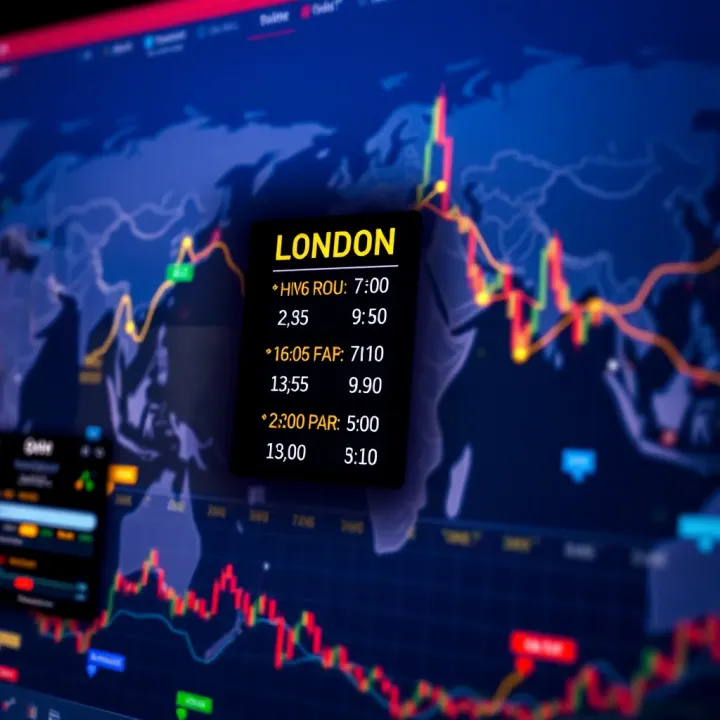
The London forex session stands out as one of the most active and influential trading periods in the global currency market. Because London is a major financial hub, this session sees a heavy influx of trading volume, which often leads to increased market volatility and liquidity. For traders based in South Africa, understanding exactly when this session runs in South African Standard Time (SAST) is vital to align trading strategies with market movements.
London’s forex session officially starts at 8:00 am GMT and ends at 4:00 pm GMT. Since South Africa operates on SAST, which is two hours ahead of GMT, the session in South African time begins at 10:00 am and closes at 6:00 pm. This timing means the London session overlaps somewhat with the Johannesburg Stock Exchange (JSE) trading hours, creating a buzz of activity for local currency pairs like the ZAR/USD and ZAR/EUR.
Tip: If you primarily trade during South Africa’s morning hours, you catch the pre-open of London markets, which could offer quieter conditions. By contrast, trading from noon to early evening SAST places you right in the heart of London's session, where volatility tends to spike.
Understanding the London session’s timing also helps traders spot peak periods of market activity. For instance, the overlap between the London and New York sessions from approximately 3:00 pm to 6:00 pm SAST is often when the market experiences its sharpest movements. This overlap is a golden window for South African traders aiming to capitalise on higher liquidity and tighter spreads.
Remember, daylight saving adjustments in the UK can affect the session times by an hour. Since South Africa does not shift clocks, London’s daylight saving time pushes forex market hours an hour earlier or later relative to SAST. Staying up to date on these shifts helps you avoid missing trading opportunities.
In short, being clear about the London forex session timings lets you tailor your trading schedule, spot prime market windows, and gauge volatility with more confidence. This groundwork is especially useful for South African traders keen to make the most of global forex rhythms while managing local realities such as internet stability or loadshedding interruptions.
The London forex trading session plays a key role in the global currency markets because it covers a significant chunk of daily trading activity. For traders in South Africa, understanding this session means knowing when the market is most active and when price movements tend to be sharper. This awareness helps you time your trades better and tailor strategies that fit within local hours.
London is often called the heartbeat of the forex market. Around 30% of all daily currency trades pass through the London session, making it one of the busiest times to trade. Because of London's position, this session overlaps with both the Asian and New York sessions at different points, creating periods with greater liquidity and volatility. For example, when the London and New York sessions overlap in the afternoon, many traders see increased movement in pairs like GBP/USD and EUR/USD.
The London session is especially important for currency pairs involving the British pound and the euro since it coincides with the core hours when these economies operate. Fluctuations during this time often reflect news releases, economic data, or geopolitical events affecting Europe. For South African traders, this means more trading opportunities and tighter spreads during these peak times.
The London session offers some of the most consistent market activity, which can be a boon for traders aiming for shorter-term positions or scalping strategies.
Typically, the London forex session runs from 8:00 am to 5:00 pm London time. However, the most active window is usually between 8:00 am and 12:00 pm when the opening of London coincides with the closing of the Asian session. Traders often focus on this period for its liquid market and tighter spreads.
Outside these hours, activity tapers off but doesn’t disappear. The market remains open, and since London acts as a bridge between Asian and American markets, it can influence movements in a range of currency pairs at different intervals.
For instance, economic announcements like the UK’s GDP figures or Bank of England interest rate decisions release during this window, tending to cause noticeable price swings. Knowing these timings can help South African traders prepare for sudden market shifts.
In summary, grasping the London session's importance and its daily hours provides a solid foundation for making informed trading decisions, especially when factoring South African Standard Time. This sets the scene for converting those times accurately and planning trades without missing prime market action.
Getting the London forex session times right in relation to South African Standard Time (SAST) is key for anyone trading forex from Mzansi. Since London is one of the main hubs of global forex trading, knowing exactly when the market opens and closes in local time lets traders capitalise on optimal liquidity and volatility. This timing alignment helps avoid missing out on prime trading windows and reduces confusion caused by time zone mix-ups.

South African Standard Time is set at UTC+2 hours and does not change throughout the year, as South Africa doesn’t observe daylight saving. This consistency means traders can rely on a steady offset when converting times, making it easier to plan trades. By comparison, London clocks shift depending on the season, affecting the time difference with SAST.
Between late October and late March, the UK observes Greenwich Mean Time (GMT), which is UTC+0. During this period, South Africa is two hours ahead of London. For example, when it’s 9 am in London, it’s already 11 am in Johannesburg. This time difference means the London forex trading session, typically 8 am to 5 pm GMT, runs from 10 am to 7 pm SAST.
This clearer, straightforward two-hour gap simplifies scheduling trades during these months. It also highlights when the market is most active relative to South African daytime hours.
From late March to late October, the UK switches to British Summer Time (BST), which is GMT+1. South Africa remains at UTC+2 during this time, so the time difference narrows to one hour. For example, at 9 am BST in London, it’s 10 am in Johannesburg.
Therefore, the London forex session's usual hours, 8 am to 5 pm BST, translate to 9 am to 6 pm SAST. Traders generally benefit from later market activity extending slightly closer to the South African afternoon hours.
To convert London forex hours to South African time with confidence, remember these two simple rules: Add two hours during UK winter time and one hour during UK summer time.
| London Time | South African Time (Winter) | South African Time (Summer) | | 08:00 | 10:00 | 09:00 | | 17:00 | 19:00 | 18:00 |
This table gives a quick glance for traders on when the London market will be active in SAST. Knowing this helps position trades during peak market liquidity for currency pairs like GBP/ZAR or EUR/USD.
For South African traders, syncing with London’s trading hours reduces guesswork and improves decision-making, especially when managing daily routines or other commitments alongside trading.
Placing alarms or calendar events adjusted annually ensures you don’t miss critical trading periods. Understanding these time conversions makes forex trading a lot less stressful and more predictable.
Understanding how the UK’s daylight saving time affects the London forex session is key for South African traders. This change shifts the session’s timing relative to South African Standard Time (SAST), affecting when you can actively trade during peak liquidity hours. Missing these adjustments can cause confusion, potentially leading to missed opportunities or mistimed trades.
The UK observes British Summer Time (BST), moving clocks forward by one hour typically from late March to late October. During this period, the London forex session effectively opens an hour earlier when converted to SAST. For example, when London switches to BST, the session that normally runs from 8 am to 4 pm GMT shifts to 9 am to 5 pm BST. Since South Africa does not observe daylight saving and remains on SAST all year round, the time difference between London and South Africa changes from one hour to two hours.
Take this scenario: in winter (standard time), London is one hour behind SAST, so the forex session is from 9 am to 5 pm SAST. But during BST (summer), London is two hours behind SAST, which means the session runs from 10 am to 6 pm SAST. This clear shift means trading hours move later by one hour for South African traders during UK daylight saving months.
South African traders should adjust their schedules to match the shifted London session timings. Here are practical steps:
Revise your trading hours: Mark your calendar to reflect the one-hour shift when the UK moves to and from daylight saving time.
Check broker platform times: Some trading platforms automatically adjust for daylight saving but double-check to avoid errors.
Plan for liquidity peaks: Since the London session overlaps with both Asian and US trading hours, aligning your activity during peak overlapping times (especially early in the session) can maximise opportunities.
Keeping an eye on daylight saving changes ensures you trade during the most liquid and volatile periods, which can improve your chances of profitable moves.
In practice, if you’re used to trading from 9 am to 5 pm SAST, have a plan to shift your routine to 10 am to 6 pm SAST during daylight saving months. This flexibility protects you from missing out on the key London session market movements.
Understanding and acting on these timing changes ensures you stay ahead of the curve when trading forex from South Africa. Simple adjustments can help you tap into the full potential of the London session without confusion.
The London session offers prime opportunities for South African forex traders, mainly due to its position as the biggest forex hub globally. Trading during this session means engaging when market liquidity and activity peak, which can lead to tighter spreads and better pricing. Since South Africa operates on South African Standard Time (SAST), which often overlaps with the London session hours, it allows traders to act during much of the London session without disrupting their daily routines.
Liquidity during the London forex session is the highest compared to other sessions, thanks to the presence of major financial centres and institutions in London. This means large volumes of currency are being exchanged, which keeps bid-ask spreads relatively narrow, reducing trading costs for South African traders. On the flip side, this session is also known for increased volatility. Sudden economic announcements and news from the UK and Europe frequently trigger sharp price movements, presenting both risks and opportunities.
For example, when the UK publishes GDP data or interest rate decisions from the Bank of England around midday SAST, price swings in GBP pairs are common. Traders who anticipate these moves or react swiftly can profit from intraday swings or scalping strategies.
Given London’s central role in forex trading, GBP pairs like GBP/USD and GBP/ZAR feature prominently during this session. South African traders often focus on GBP/ZAR because the pair reflects direct economic ties between South Africa and the UK, not to mention it has substantial volatility during London hours. Movements in GBP pairs can also reflect UK political developments, Brexit updates, or Bank of England announcements.
The euro pairs such as EUR/USD, EUR/GBP, and EUR/ZAR also see heavy trading during the London session. The overlap of London’s market with the opening hours of European markets creates a surge of activity. This overlap often leads to quick shifts in EUR/ZAR as traders respond to Eurozone economic reports or political news from countries like Germany and France. South African traders benefit from the relatively high liquidity and trading volumes which translate to smoother trade execution.
Besides GBP and EUR, major pairs like USD/JPY and USD/CHF can experience increased activity during the London session, especially early in the session when Asia overlaps with London hours. Cross-currency pairs involving ZAR such as USD/ZAR are particularly attractive to South African traders, as global interest in emerging markets is reflected here. Reacting to matters like SARB (South African Reserve Bank) policy announcements or international trade news can offer additional trading prospects.
To make the most of the London session, South African traders should consider strategies that align with the session’s volatility and liquidity patterns. Momentum trading can be effective during times of strong trending moves triggered by economic releases. Also, range trading strategies work well in quieter periods of the session when pairs consolidate.
Risk management is key given the often sudden price swings. Using stop-loss orders and trading with sensible position sizes will help limit exposure. Many traders in South Africa also find it useful to monitor global economic calendars closely to prepare for market-moving events during London hours.
The London forex session represents a sweet spot for South African traders — an active, liquid market during local daytime, offering a variety of currency pairs and clear strategies to seek profit while managing risks.
💰 Discover South Africa's top forex traders, their earnings, strategies, and challenges. Learn how forex shapes the local market and investor success.

📉 Explore the forex complex in South Africa: structure, key players, currency pairs, and the impact of economics and politics on trading strategies and risks.
Learn how swaps impact forex trading in South Africa 🌍 Discover swap types, calculation methods, and tips to manage costs in your trading strategy 💹
Discover the journey and key strategies of South Africa's richest forex trader 💹. Learn how local market insights and resilience drive their success in forex trading 🇿🇦.
Based on 9 reviews