
How Long Does It Take to Withdraw Money from Deriv?
💸 Curious about withdrawing funds from Deriv? Learn typical timings, compare methods, know the security checks, and what to do if delays occur—get your money faster!
Edited By
Thomas Greene
Withdrawing your hard-earned funds from Deriv should be straightforward, but it can get tricky if you’re not familiar with the process. This guide walks you through the essentials of withdrawing money from Deriv, ensuring you understand exactly what to expect and how to manage your transactions smoothly.
Deriv is a popular platform among South African traders for its ease of use and variety of trading instruments. Still, when it comes to moving your winnings into your bank account or mobile wallet, nuances like local banking rules, payment methods, and security checks come into play.

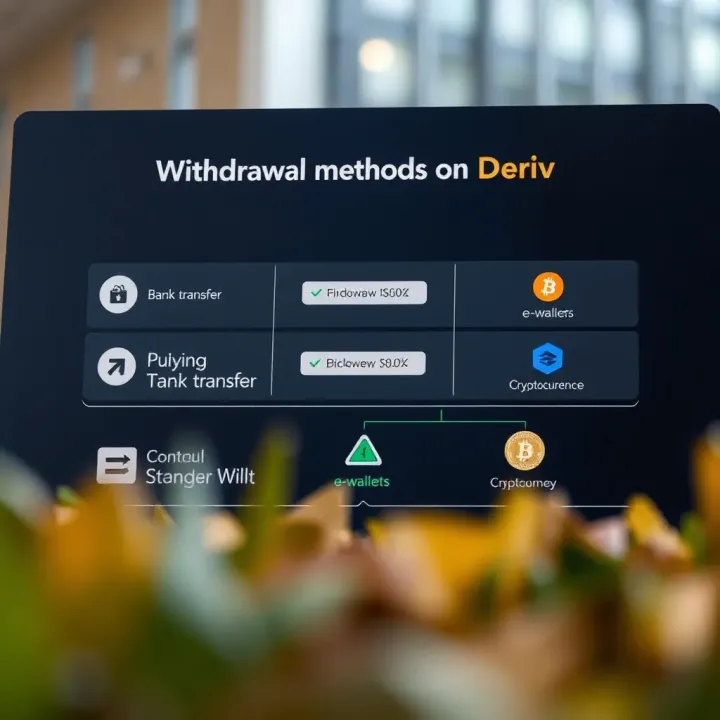
Withdrawal methods: Deriv offers several options including bank transfers, Skrill, Neteller, and e-wallets like FasaPay, which work well for South African users.
Processing time: Depending on your chosen method, withdrawals may take anywhere from a few hours to several business days. Bank transfers typically take longer.
Verification: Be ready to provide identification documents as Deriv follows strict Know Your Customer (KYC) rules, aligning with South African regulations.
Keep in mind: Ensuring your account is fully verified before requesting a withdrawal will help dodge delays and keep your funds safe from fraud.
South African traders often face challenges during withdrawals due to fluctuating exchange rates or issues with third-party payment providers. Understanding the step-by-step process and preparing your documentation can make the difference between a smooth cashout and frustrating holdups.
Together, this section lays the groundwork for practical tips on managing your Deriv withdrawals effectively, avoiding common pitfalls, and securing your funds in the South African context.
Understanding how withdrawals operate on Deriv is essential for anyone trading or investing through this platform. It’s not just about moving money out; it involves a clear procedure that ensures funds reach you securely and promptly, especially given South Africa’s unique financial environment with factors like loadshedding and varying payment infrastructures.
Requesting a withdrawal on Deriv starts with logging into your account and heading to the withdrawal section. You’ll select the withdrawal method and enter the amount you wish to withdraw. It’s important to double-check details like your bank account or e-wallet information before submitting the request to avoid delays.
Verification wraps around the withdrawal process like a safety net. Deriv requires certain documents to confirm your identity and prevent fraud. For South Africans, this typically means submitting valid ID documents and proof of residence compliant with the Regulation of Interception of Communications and Provision of Communication-Related Information Act (RICA). Without this verification step completed, your withdrawal request will be put on hold, sometimes indefinitely.
Local bank transfers are often the go-to withdrawal method for many South Africans on Deriv. Major banks such as FNB, Standard Bank, and Absa support incoming international transfers, but it's worth keeping in mind that currency conversion and processing fees apply. These transfers generally take between one to three business days, factoring in bank clearing cycles and local holidays.
Digital wallets like Skrill, Neteller, and ecoPayz offer quicker access to funds compared to traditional bank transfers. They’re quite popular with South African users due to their speed and relative ease in handling currency exchange. However, some e-wallets might charge withdrawal or conversion fees, so reviewing these costs upfront makes sense.
Deriv also supports cryptocurrencies like Bitcoin and Ethereum for withdrawals. Cryptos can bypass some traditional banking delays and fees, but volatility in currency value and knowledge of securing crypto wallets are important factors. For example, withdrawing R5,000 worth of Bitcoin today might be worth slightly less or more tomorrow, so timing and wallet security cannot be overlooked.
Always verify your preferred withdrawal method's availability and charges before initiating a transaction. This will help you avoid surprise costs and ensure your funds arrive as expected.
Smooth withdrawals rest on understanding these processes and choosing the method that fits your needs in speed, cost, and convenience within the South African context.
Understanding the timeframes and limits for withdrawing funds from Deriv is essential for smooth financial planning. Knowing how long transactions take and what constraints apply helps you avoid surprises, especially when funds are needed promptly or in larger sums.
Deriv offers both instant and delayed withdrawal options, each suited to different needs. Instant withdrawals, often processed through digital wallets or certain cryptocurrencies, usually credit your account within minutes. This immediacy suits traders who need quick access to their money, for example, to reinvest or cover urgent expenses.
However, many methods like bank transfers tend to take longer, typically between 1 to 5 business days. These delays occur due to multiple factors, such as intermediary banks or local banking cut-off times, particularly relevant in South Africa where weekends and public holidays extend processing. For instance, if you initiate a bank withdrawal on a Friday afternoon, you should expect the funds only to reflect early the following week, after the weekend’s pause.
Tip: Initiate withdrawals early in the week and check local public holiday calendars to avoid unexpected delays.
Public holidays and weekends play a major role in extending withdrawal times. South African banks do not operate on these days, so withdrawals processed close to a public holiday or weekend will be queued until regular business days resume. For traders living in provinces with additional regional public holidays (like Gauteng or KwaZulu-Natal), this can occasionally cause further waiting.
For example, a withdrawal request submitted on a Friday before a Monday public holiday will likely remain pending over these days. This delay poses challenges if you rely on quick fund access to seize market opportunities or settle bills.
Deriv enforces minimum and maximum withdrawal amounts to regulate the flow of funds and comply with financial policies. The minimum withdrawal amount ensures that small transactions, which can be costly to process, are avoided. Usually, this minimum is about R200 or the equivalent in your currency. Withdrawing below this limit either isn’t allowed or results in higher fees.
On the other end, there are maximum withdrawal limits per transaction influenced by your account status and payment method. For instance, a digital wallet withdrawal might have a cap of R50,000 per day, while bank transfers can handle larger sums but may require extra verification.
Aside from single-transaction caps, Deriv also applies cumulative withdrawal limits over set periods. These include daily, weekly, and monthly ceilings to reduce fraud risk and comply with South African anti-money laundering rules (RICA) and international standards.
For example, a trader might be allowed to withdraw up to R100,000 in total per week. If you hit this ceiling too early, further withdrawals will be deferred until the next period. Understanding these limits helps you plan bigger fund movements and avoid having to wait unnecessarily.
In practice, check your withdrawal limits through your Deriv account dashboard and adjust your withdrawal schedule accordingly to prevent inconvenience.
Overall, knowing these timeframes and limits lets you manage your Deriv funds efficiently, tailor your withdrawal methods, and keep your trading and financial plans on track without avoidable delays or blocked transactions.
Dealing with withdrawal challenges on Deriv can be frustrating, especially when you want quick access to your trading profits. Understanding the common stumbling blocks can save you time and unnecessary stress. This section covers practical hurdles like verification delays, document requirements, technical glitches, and payment rejections, all within the South African context.
Verification is a legal necessity, not just a box-ticking exercise. South Africa’s Regulation of Interception of Communications and Provision of Communication-Related Information Act (RICA) and the Protection of Personal Information Act (POPIA) require financial platforms like Deriv to confirm the identity of their users. This typically means submitting copies of your South African ID book or smart ID card and proof of residence, such as a utility bill or bank statement not older than three months.
This step can be a cause of hold-ups if documents aren’t clear or if they don’t meet the specified criteria. For instance, a utility bill printed more than 90 days ago won’t cut it. Ensuring these documents are current, clearly legible, and complete helps avoid unnecessary delays. You might feel like you've submitted everything correctly but check if the files are in the acceptable format and size as specified by Deriv.
To speed up verification, prepare your documents before you start trading. Scan or photograph your ID and proof of address carefully under natural light to avoid shadows or blurriness. Deriv usually requires verification early on or before your first withdrawal, so don't wait until you're ready to cash out; this can cause frustrating lags.
Also, avoid submitting multiple batches of documents piecemeal. Instead, upload everything in one go with clear filenames for easy identification by the compliance team. Keep an eye on your email for any follow-up requests and respond swiftly to reduce back-and-forth.
Technical glitches occur more than one might expect during online withdrawals, often due to server maintenance, connectivity issues, or platform downtime. These system errors can cause transactions to stall or fail. If you're in South Africa, keep Eskom’s loadshedding schedule in mind; sudden power cuts might interrupt the process mid-way.
Rechecking your internet connection and trying again during stable periods helps. If a problem persists, reaching out to Deriv’s support team with clear details can get you back on track faster.
Payment rejections usually stem from mismatched details between your Deriv account and your chosen withdrawal method. For example, withdrawing to a bank account or e-wallet registered under a different name can cause your payment to bounce.
Make sure the account name and number on Deriv match exactly those on the receiving platform. Also, double-check currency compatibility; withdrawing ZAR to a foreign account in USD without proper conversion might lead to rejection.
If payments get rejected, check your transaction history for error codes or messages. Contact Deriv’s customer service promptly with these details, as supported refunds or reprocessing usually require action from their end.
Good record-keeping and vigilance during withdrawal preparations can avert most common issues, making your cash-out experience smooth and hassle-free.
Securing your account and transactions is critical when withdrawing funds from Deriv, especially in today's environment where online scams and cyber threats have become commonplace. Taking the right precautions can prevent unauthorised access and financial loss, giving you peace of mind as you manage your investments.
Strong passwords and two-factor authentication play a significant role in safeguarding your Deriv account. A strong password isn't just about length; it mixes upper and lowercase letters, numbers, and special characters. Avoid common phrases, names, or obvious sequences like "1234". Since many people reuse passwords, make sure yours is unique to Deriv. Coupling this with two-factor authentication (2FA) adds an extra layer of security by requiring a second verification step, usually through a code sent to your mobile device or email. This means even if someone gets hold of your password, they would still struggle to gain access without the second factor.
Recognising and avoiding phishing attempts is equally important. Fraudsters often send convincing emails or messages pretending to be from Deriv, asking you to verify account details or click on suspicious links. A typical phishing trick might involve a fake notification of account suspension to scare you into acting quickly. Always check the sender’s email address carefully and never provide personal information or passwords through email or unsecured websites. If an offer or request feels off, it’s safest to go directly to the official Deriv site or app to verify.
Using verified payment methods adds another safeguard to your withdrawals. Deriv supports trusted methods like bank transfers, digital wallets, and cryptocurrencies, but always select those linked directly with your verified personal accounts. For example, if you usually withdraw via your Standard Bank account, avoid switching to an unfamiliar or new payment method without proper verification. This reduces the risk of funds being directed to the wrong place or intercepted.
Regularly monitoring withdrawal activity helps you spot any unusual transactions early on. Keep an eye on your Deriv account statements and bank notifications, especially after making withdrawals. If any withdrawal looks unfamiliar, contact Deriv support immediately to halt potential fraud. This habit can save you from bigger headaches down the line, particularly given how quickly cybercrime can escalate. You might even set up SMS or app alerts from your bank for any transaction above a certain amount.
Good security is an ongoing effort, not a one-off task. Staying vigilant with strong passwords, awareness of scams, trusted payment methods, and regular account checks makes your Deriv withdrawal experience safer and more reliable.
When withdrawing funds from Deriv, South African traders must pay close attention to methods and timing to avoid unnecessary delays or costs. Understanding how to pick the right withdrawal path and plan around local banking hours and tax rules can save you headaches and ensure smoother cash flow.
Fees and exchange rates often dictate the best withdrawal option. For example, withdrawing via bank transfer might seem straightforward but can incur higher fees and unfavourable exchange rates compared to digital wallets like Skrill or Neteller. These wallets frequently offer better rates and quicker access to funds. However, always account for the occasionally fluctuating Rand exchange rates, especially amid economic ups and downs. A R5,000 withdrawal one day can feel quite different in your account balance the next.
On top of fees, consider the speed. Cryptocurrency withdrawals, such as Bitcoin or Tether, can be much faster but demand familiarity with wallets and can bring additional conversion charges when exchanging back to Rand. A practical tip for traders in South Africa is to weigh the trade-off between withdrawal fees and how urgently you need the funds.
Loadshedding and internet issues also play a surprising role. If the power or data cuts hit during a withdrawal, it can interrupt the process, potentially causing errors or delays. Setting withdrawals during periods when you’re sure to have stable internet and power is wise. For instance, if Eskom schedules loadshedding for the afternoon, plan your withdrawals in the morning or evening when your backup power solutions or mobile data are more reliable.
Banks in South Africa tend to process transactions only during business hours, Monday to Friday, excluding public holidays. Initiating withdrawals late on a Friday or before long weekends can push processing into the next week. Making withdrawals earlier in the week and before midday can help expedite when your funds appear in your bank or wallet.
Also, keep in mind your tax reporting with the South African Revenue Service (SARS). All income, including trading profits withdrawn from Deriv, must be declared. SARS tends to request proof of funds, so maintain records of your withdrawal transactions. This is particularly important if you’re regularly moving larger amounts.
Staying ahead of SARS requirements reduces risk of audits or fines. Use organised records and consult with a tax advisor if unsure about your trading income declarations.
By combining thoughtful timing with the right withdrawal methods and tax awareness, South African Deriv traders can make the most of their winnings without stress or costly mistakes.
💸 Curious about withdrawing funds from Deriv? Learn typical timings, compare methods, know the security checks, and what to do if delays occur—get your money faster!

📈 Explore Deriv.com with this clear guide tailored for South African traders. Learn about account setup, trading options, and safety tips to trade confidently.
Ready to start trading? 🤑 Learn how South African traders can easily open a Deriv real account, verify identity, fund it, and access support smoothly.

🌍 Explore the Deriv.com app’s tools, setup tips, security, and benefits for South African traders. Maximise your trading potential with reliable features and local insights 📈
Based on 8 reviews