
Forex Trading Basics for South Africans
📈 Start your forex journey with this clear beginner’s guide. Learn market basics, strategies & risk tips tailored for South African traders. Download the helpful PDF now!
Edited By
Lucas Bennett
Forex trading involves buying and selling currencies to profit from changes in exchange rates. It’s the largest financial market globally, with more than $6 trillion traded daily, and offers accessible opportunities for individuals—including South African traders—to participate.
At its core, forex trading means exchanging one currency for another. For South Africans, this often involves pairs like USD/ZAR or EUR/ZAR. These pairs fluctuate due to global economic events, interest rates, and political developments.
The forex market runs 24 hours a day during the workweek, opening in Asia and closing in New York. This non-stop action means you can trade at times that suit your daily schedule, whether before work or late at night.
Keep in mind: forex trading isn’t a quick route to riches. It demands discipline, preparation, and managing risks carefully.
Before diving in, you should grasp some essential terms:
Pip: The smallest price movement in a currency pair, usually the fourth decimal place (e.g. a move from 15.3456 to 15.3457). Small moves can add up.
Leverage: Using borrowed funds to increase your trading position. While it can boost gains, it also magnifies losses and should be used cautiously.
Spread: The difference between the buy (bid) and sell (ask) price. Lower spreads reduce trading costs.
Lot: The standard amount of currency you trade (for instance, 100,000 units for a standard lot).
South African traders should carefully pick their trading platform or broker. Apart from regulated global brokers like IG or ForexTime, local options exist that comply with South Africa’s Financial Sector Conduct Authority (FSCA). Choosing a trusted broker ensures your deposits are secure, trading conditions fair, and withdrawals hassle-free.
To start, open a demo account to practice without risking real Rands. Then, when confident, begin small with live trades. Always use risk management tools like stop losses to limit potential downsides.
This article will guide you through these fundamentals and beyond, helping you build practical skills to trade forex with greater confidence and fewer mistakes.
Getting to grips with the basics of forex trading sets a solid foundation for success, especially for beginners. Understanding key elements helps you make informed decisions, manage risks, and recognise opportunities without getting overwhelmed.
The forex market is where currencies are bought and sold. Traders exchange one currency for another, aiming to profit from fluctuations in exchange rates. For example, if you believe the US dollar will strengthen against the rand, you might buy USD/ZAR, hoping to sell it later at a higher rate.
Major currencies include the US dollar (USD), euro (EUR), British pound (GBP), Japanese yen (JPY), and the South African rand (ZAR). These currencies form pairs, like USD/ZAR or EUR/USD. The pairs’ price shows how much of the second currency you need to buy one unit of the first. Knowing which pairs are actively traded helps you find markets with better liquidity and tighter spreads.
Forex operates 24 hours on weekdays across global financial hubs in London, New York, Tokyo, and Sydney. This continuous operation means traders can react quickly to world events—be it a South African Reserve Bank announcement or US economic data—without waiting for markets to open.
Pips and lots: A pip is the smallest price movement you can expect in a currency pair, usually 0.0001 for most pairs. For instance, if USD/ZAR moves from 18.5000 to 18.5001, that's one pip. Lots represent the size of a trade; one standard lot equals 100,000 units of the base currency. Beginners often start with mini or micro lots to trade smaller amounts.
Leverage and margin: Leverage lets you control a larger position with a smaller amount of your own money, known as margin. For example, with 1:100 leverage, you can trade R10,000 worth of currency with only R100 in your account. While leverage increases potential profits, it also magnifies losses, so managing it carefully is key.
Spreads and swaps: The spread is the difference between the bid (selling) and ask (buying) price and shows your immediate cost when entering a trade. Lower spreads mean cheaper trading costs. Swaps (or rollover fees) apply when you hold a position overnight; depending on the interest rate difference between currencies, you might pay or earn some extra.
Bid and ask prices: The bid is what buyers are willing to pay, and the ask is what sellers want. The ask price is always higher, reflecting the spread. When you buy, you pay the ask price; when selling, you receive the bid price. Understanding this helps you know your entry and exit points clearly.
Mastering these basics gives you the confidence to navigate the forex market, avoid costly mistakes, and build your trading strategy on firm ground.
Setting up correctly to trade forex is the foundation for a smooth and effective trading experience. Before jumping into market analysis or making trades, you need a reliable platform, a funded account, and verified details. Getting these basics right ensures you can trade confidently, avoid unnecessary fees or delays, and respond quickly to market changes. This section helps you understand the steps and decisions involved in starting out, especially with South African traders in mind.
Choosing the right trading platform is key. Some of the popular platforms available in South Africa include MetaTrader 4 and 5, Plus500, and IG Markets. These platforms differ in user-friendliness, features, and access to currency pairs. For example, MetaTrader is widely favoured for its advanced charting tools, while Plus500 offers a simpler interface ideal for beginners. The suitability of a platform depends on your trading style and experience level.
Users should also consider the reliability and stability of a platform, especially during volatile sessions. You wouldn’t want your trades hanging because of freezes during high-impact news. Platforms with local server support or offices tend to offer smoother access and quicker customer service.
Understanding fees and charges is also crucial. Brokers may charge spreads (the difference between bid and ask prices), commissions, or overnight swap fees if positions stay open past the trading day. For South African traders, it's wise to pay attention to currency conversion fees when depositing or withdrawing funds in rand (R), as this can add up over time. An otherwise cheap spread may lose appeal if hidden charges erode your profits.
Platforms’ fee structures vary greatly. Some brokers offer zero-commission trades with wider spreads, while others charge a small commission but keep spreads tighter. Review these carefully before settling on a broker, as fees directly affect your net returns.
Account types and demo accounts are vital parts of the platform choice. Most brokers offer standard, mini, or micro accounts catering to different risk appetites and capital levels. Starting with a demo account is highly recommended, allowing you to practice and learn without risking real money. It’s not just a playground; a demo environment helps you understand platform functions and test strategies before committing cash.
Opening a trading account usually involves a straightforward process, but knowing the steps helps avoid unnecessary delays. Typically, you’ll complete an online registration form with personal details, contact information, and trading experience. Some brokers may require a brief quiz to assess your knowledge, ensuring they comply with regulatory standards.
Funding your account comes next. South African traders have various options: EFT (electronic funds transfer), credit/debit cards, and sometimes mobile money platforms. EFT is popular but can take up to 48 hours to clear, whereas cards offer instant deposits but might attract higher fees. Remember that if you fund in rand but trade in USD pairs, your broker may apply currency conversion charges.
Verifying your identity and documentation is a regulatory requirement many brokers enforce under South African laws and global anti-money laundering rules. You'll need to upload a certified copy of your ID and proof of residence, such as a utility bill or bank statement. This step may seem tedious but protects both you and the broker from fraud and ensures smooth withdrawals later. Having your documents ready speeds up account activation.
Setting up properly can seem like ticking boxes, but these initial steps lay the groundwork for a disciplined and successful trading routine. A slick, trustworthy platform combined with clear account processes lets you focus on what matters: making smart trades.
Developing a solid trading strategy is vital for anyone serious about forex. A clear plan helps you navigate the fast-moving market with confidence and discipline, avoiding random guesses and emotional decisions. It’s not just about picking when to buy or sell, but managing risk and understanding market forces that impact currency values. For example, aiming to scalp small profits daily requires a very different approach than holding positions for weeks based on economic trends.
Charts form the backbone of technical analysis. These visual tools show currency price movements over time and help traders spot patterns, trends, and potential reversal points. Indicators like moving averages or the Relative Strength Index (RSI) provide extra layers of insight—think of them as signals that might tell you when a pair is overbought or oversold. In South African markets, traders often look at the R/$ pair chart alongside global pairs to understand local and international trends.
Fundamental analysis digs deeper into real-world issues affecting currencies. Economic releases—like South Africa’s inflation data or interest rate announcements by the South African Reserve Bank (SARB)—impact the Rand’s strength. Meanwhile, geopolitical developments such as elections or trade deals can cause sharp moves in forex markets. Staying updated with trusted news sources can help you anticipate market reactions rather than just responding after the fact.
Most experienced traders don’t rely on one approach alone. Combining technical charts with fundamental insights offers a more complete picture. For instance, if technical indicators signal an uptrend but upcoming economic data suggests weaker job numbers, you might adjust your trade size or set tighter stop-loss levels. This blend helps balance the odds, especially in volatile markets influenced by loadshedding concerns and global economic shifts.
These tools protect your capital and lock in gains. A stop-loss order automatically closes your trade if prices move against you beyond a set point, preventing deeper losses. Conversely, a take-profit order locks in profits when the price hits your target. For example, if you buy USD/ZAR at R18 and expect it to rise to R18.20, setting a stop-loss at R17.90 limits potential loss if the market reverses. This kind of risk management is essential, especially with the Rand’s tendency to swing sharply during local or global events.
How much you trade should match your risk tolerance and account size. Overexposing yourself with too large a position or excessive leverage can wipe out your account quickly. If you have R10,000 in your trading account, risking 2% per trade (R200) is a common guideline to protect your funds over the long run. Remember, while leverage magnifies gains, it also increases losses significantly. South African traders must treat leverage cautiously given the local market's unpredictability.
Keeping a detailed record of your trades helps you learn from experience. Note your reasons for entering a trade, your emotions, outcomes, and mistakes. Over time, this journal reveals patterns in your behaviour and strategy performance, enabling better decisions and discipline. Especially when starting out, treating trading as a learning process instead of gambling makes all the difference.
A well-planned strategy with solid analysis and risk control turns forex trading from guesswork into a manageable craft.
Developing your trading style thoughtfully will prepare you better for the challenges and opportunities the forex market offers, all while protecting the hard-earned Rand you put at stake.
Navigating the forex market can be tricky, especially for beginners. Many traders stumble not because they lack knowledge, but because they fall into common traps that cost them financially and emotionally. Understanding these pitfalls and knowing how to avoid them is vital if you want to trade forex sustainably and protect your Rand investment.
Trading with emotions rather than logic often leads to poor decisions. Fear and greed are the biggest culprits: fear might cause you to exit a position too early, while greed can tempt you to chase losses or hold onto losing trades longer than necessary. For example, after a surprising drop in the USD/ZAR, you might panic and sell without considering if the decline aligns with broader market trends. Emotional biases also include overconfidence after a few wins, making you take unnecessary risks.
Sticking to a well-thought-out trading plan helps keep emotions in check. This includes setting clear stop-loss orders to limit potential losses, and using take-profit levels to lock in gains. Avoid reacting impulsively to short-term market movements. Keeping a trading journal where you record your trades, reasons for entering/exiting, and emotional state can offer valuable insights and help spot recurring behavioural mistakes. Regular breaks and setting limits on daily trades can also prevent burnout and overtrading.
The forex industry has its share of dishonest brokers promising guaranteed profits or extraordinary returns with little risk. Common warning signs include brokers demanding large upfront payments, lacking clear contact information, or pressuring you to deposit more funds quickly. For instance, a broker that offers an unrealistically high leverage ratio without explaining the risks could be shady. Scammers often use flashy websites and aggressive marketing to lure beginners.
Always check if the broker is licensed by a reputable financial authority. In South Africa, authorised brokers need to comply with the Financial Sector Conduct Authority (FSCA). You can verify their registration directly on the FSCA website. Additionally, global regulators like the UK’s FCA or Australia’s ASIC provide licensing information. Trading with a regulated broker ensures a level of protection such as segregation of client funds and dispute resolution mechanisms. Avoid brokers operating without a clear regulatory framework as you risk losing your money with little recourse.
Staying alert to these common pitfalls can save you a lot of heartache and financial harm in your forex journey. Discipline and due diligence are your best tools.
Avoid the temptation of shortcuts, and always invest time in learning and verifying your trading environment. This approach will help you build a solid foundation for long-term success.
Starting out in forex trading without a practical approach can be a steep climb. This section zeroes in on hands-on tips and useful learning resources that help new traders build confidence while managing risks. Mastering basic skills through practice and reliable information is key to avoiding costly mistakes on live accounts. For South African traders, understanding how to use demo accounts and knowing where to find credible resources can make the difference between jumping in blindly and starting with a clear plan.
A demo account acts like a sandbox where you trade with virtual money but real market conditions. This setup lets you explore the forex platforms, test strategies, and get comfortable with how trades execute without risking a single rand. For example, if you try trading the USD/ZAR pair, you can see how price moves react during economic announcements without the pressure of losing real cash. It’s a safe space to learn things like placing orders, setting stop-loss levels, and managing leverage.
To get the most from demo trading, treat it just like real trading. Stick to trading hours you’d keep if real money was involved and practise risk management through position sizing. Also, reflect on every trade as if it counted financially, noting down what went well or wrong. This builds discipline and sharpens decision-making. For instance, if a strategy seems to work well on the demo for the EUR/ZAR pair, keep track of trends and market conditions to understand why. Moving from demo to live trading without these habits often makes new traders panic or overtrade straight away.
There’s no shortage of learning material for forex traders in Mzansi. Books like "Currency Trading for Dummies" provide clear basics, while local courses often focus on tailoring strategies to the South African context, such as handling Rand volatility during loadshedding or political events. Reliable websites include financial news portals like MyBroadband or BusinessTech that cover forex market updates relevant to South African traders. While free resources give a solid foundation, investing in a well-reviewed course can speed up learning and introduce practical examples.
Joining South African forex trader groups on platforms like Facebook or Telegram can be a huge help. These communities share trade ideas, market analysis, and warn about scams—very handy for beginners who might otherwise fall prey to dodgy brokers. Also, in-person meetups or webinars organised by local trading educators give chances to ask questions and get feedback. For example, Cape Town and Johannesburg have active forex clubs where traders exchange practical tips and real-life experiences, providing a support network beyond online reading.
Trying your hand at forex without practising and learning from trusted sources is like driving a bakkie for the first time on a busy freeway. Using demo accounts and tapping into local resources lets you build confidence steadily while avoiding costly mistakes.
📈 Start your forex journey with this clear beginner’s guide. Learn market basics, strategies & risk tips tailored for South African traders. Download the helpful PDF now!
📘 Discover how to choose trustworthy forex trading books in PDF, learn key topics, avoid online scams, and build strong trading skills with practical, downloadable guides.
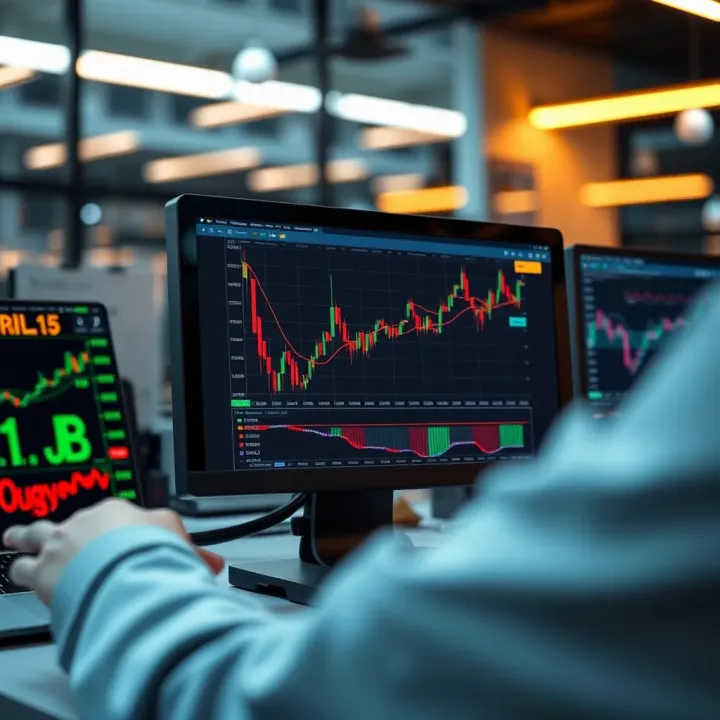
🤖 Discover how forex trading robots work, their pros and cons, risk management tips, and how South African traders can pick reliable automated tools.
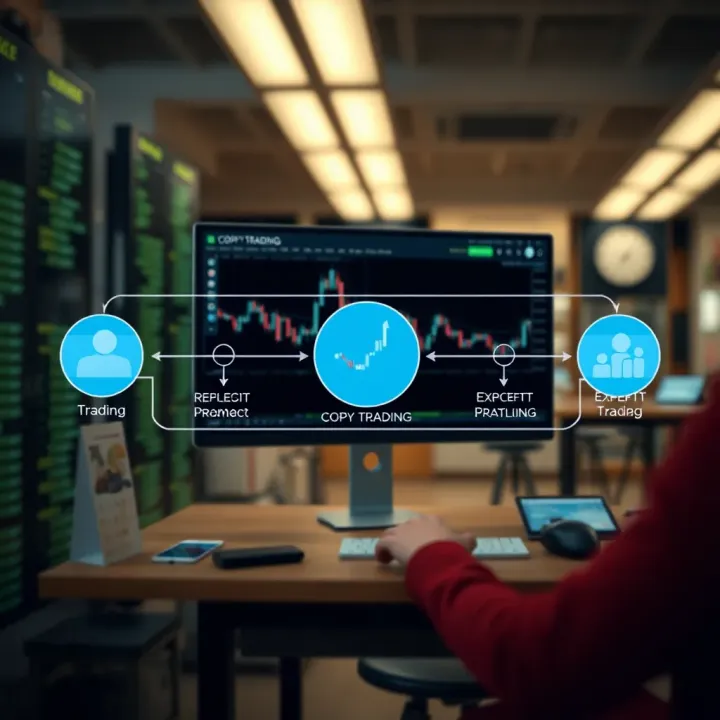
📈 Discover how copy trading lets you follow expert investors automatically. Learn about key risks, tips for picking traders, and SA platforms to get started safely.
Based on 12 reviews