
Understanding Robot Trading in Forex Markets
Explore how robot trading works in the forex market 🤖, its benefits, key features, risks, and smart tips for South African traders 🇿🇦 to trade wisely.
Edited By
Sophie Hamilton
Forex trading has become an accessible option for many South Africans interested in investment beyond traditional stocks and savings accounts. However, starting out can feel overwhelming, especially when faced with the variety of trading apps on offer.
Choosing the right forex trading app is a practical first step that sets the tone for your trading experience. It’s not just about flashy graphics or low fees—key features like reliability, security, and ease of use play critical roles.
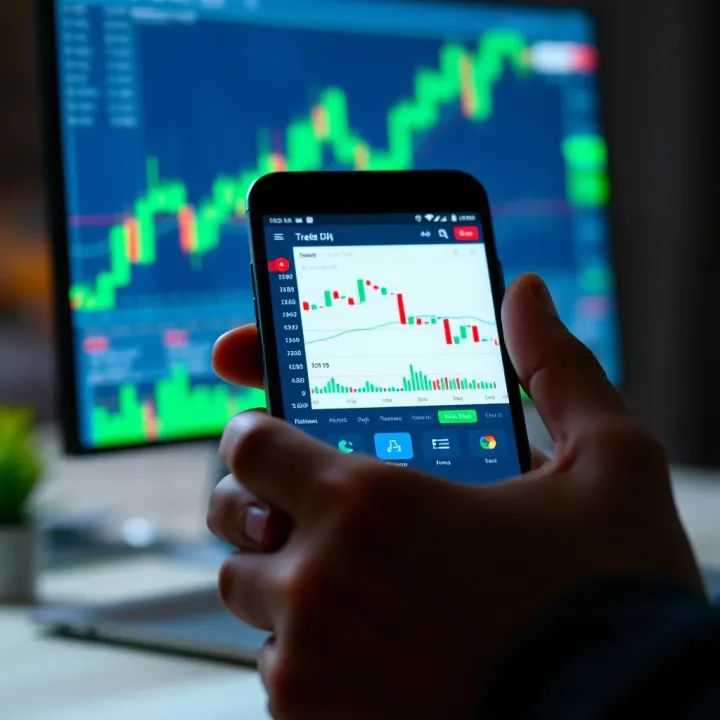
A good forex app should balance user-friendly design with the powerful tools you need to analyse currency markets effectively.
Here are factors to keep in mind when picking a forex app:
Regulation and Security: Ensure the app is regulated by credible authorities, which in South Africa could include bodies like the Financial Sector Conduct Authority (FSCA). This helps protect your funds and personal information.
Local Currency Support: Look for apps that allow deposits and withdrawals in South African Rand (ZAR), avoiding costly currency conversion fees.
Trading Fees and Spreads: Compare transaction costs, including spreads (the difference between buy and sell prices), as these affect your profitability.
Education and Demo Accounts: Beginners benefit greatly from apps offering practice accounts and educational resources to build confidence before committing real money.
Market Access: Some apps provide access only to major currency pairs, while others cover a wider array of global currencies, giving you more trading opportunities.
Customer Support: Responsive service is key, especially for beginners who may need quick answers during volatile markets.
Besides these features, consider the app’s overall reputation within the South African trading community. Reviews on forums like MyBroadband or feedback from fellow traders can reveal strengths and weaknesses that might escape promotional materials.
Remember, forex trading carries risk. Start small, take it slow, and use tools like stop-loss orders to protect your capital. With the right app and a disciplined approach, trading forex can become a practical addition to your investment toolkit.
Getting a solid grip on what forex trading is and why it draws so many newbies is key to picking the right app that fits your needs. Forex trading involves speculating on the price movements of currency pairs, which means you buy one currency while selling another. It’s the largest financial market worldwide, with billions changing hands every day, and offers a chance for everyday South Africans to join this fast-moving market directly from their mobiles.
Forex trading always happens in pairs, for example, the South African rand against the US dollar (ZAR/USD). The first currency in a pair is the base, while the second is the quote. When you buy a pair, you’re betting the base currency will strengthen compared to the quote currency. For instance, if you think the rand will gain against the dollar, you’d buy ZAR/USD.
This setup makes forex different from just buying stocks or commodities. It’s about the relative strength between two currencies, affected by everything from South African interest rates and political news to global trade flows and economic data from the US or China. Picking the right app that shows accurate, live currency pair prices means you can make informed moves fast.
The forex market never really sleeps — it runs 24 hours a day, five days a week. This happens because trading moves across different international financial hubs: it starts in Asia, switches to Europe, and then heads over to North America. For a trader based in South Africa, this means there’s always a chance to jump in, whether during our day or night.
Because forex is so decentralised and global, transactions happen over electronic networks rather than through a central exchange. This makes speed, reliability, and security through your app super important. Plus, understanding which market is open can affect currency movements — for example, rand volatility often increases during the London and New York sessions, so being aware of this helps you time your trades better.
What really draws beginners is how straightforward getting started has become. Mobile platforms have brought forex trading to your fingertips, literally. Whether you have a smartphone from MTN or Vodacom or a simple tablet, you can open an account, fund it, and start trading from home, a coffee shop, or even while waiting for the taxi.
For South Africans, where data costs can sometimes pinch, many apps are optimised to use minimal data and offer simple interfaces. This means you’re not bogged down by clunky websites or heavy software. Instead, the best apps allow quick access to live prices, alerts for major currency moves, and all the tools to place trades and manage risks securely.
Another appealing factor is that you don’t need loads of capital to jump in. Many forex apps let you start trading with amounts as low as R100 or less. Because forex trades are leveraged, this means you can control larger positions with a small amount of money. But mind you: while this can boost profits if the market moves in your favour, it also ups your risk.
Still, for a beginner, this low entry barrier offers a practical way to test the waters without putting your financial future on the line. Choosing an app with good demo accounts and clear guidance on managing leverage helps you learn how to balance risk and reward before going fully live.

The key to successful forex trading is knowing what you’re dealing with — understanding currency pairs, market hours, and how accessible the market has become thanks to modern apps will put you on a firmer footing. Pick an app that reflects this clarity and supports your learning process.
Selecting the right forex trading app is a game of balancing simplicity, security, and functionality. For beginners, the stakes are higher — a clunky app or one lacking crucial features can lead to missed opportunities or costly mistakes. A well-designed platform helps you focus on learning and practising, rather than wrestling with complicated menus or worrying about whether your data is safe.
Ease of navigation is often overlooked but is vital for new traders. An app’s layout should be intuitive, letting you find currency pairs, market charts, and trading options without hunting through endless tabs. For example, imagine starting your first trade and getting lost in a maze of menus – that’s a recipe for frustration and wrong moves. Apps like IG or Plus500 often score well for their clean, straightforward design tailored to users who are still finding their feet.
A customisable dashboard makes a big difference, too. As you grow more confident, having the option to arrange charts, watchlists, and news feeds to suit your trading style can streamline your workflow. This flexibility means you’re not stuck with a one-size-fits-all setup but can tailor the app to how you work best, saving precious time and reducing mistakes when markets shift quickly.
For beginners, learning on the job isn’t enough—educational resources built into the app can accelerate the process. Access to clear and relevant tutorials and market news within the platform means you get timely explanations and insights, without having to toggle between apps or websites. Apps like AvaTrade or MetaTrader provide bite-sized lessons and real-time updates that help you understand what’s driving currency movements.
Demo accounts are another must-have feature. They allow you to practise trading with virtual Rand, getting a feel for how the market moves and testing strategies without risking actual money. This hands-on approach builds confidence and helps avoid rookie errors before you commit R100 or R1,000 in real trades. Using a demo account, you can try out stop-loss orders or see how leverage affects your position, all in a risk-free environment.
When your money and personal data are involved, data protection can’t be an afterthought. Trusted forex apps use encryption and other security measures to safeguard your information from cyber threats. Look for platforms that advertise two-factor authentication and regular security audits — especially important given recent cyber incidents affecting online financial services.
Equally important is compliance with South African financial authorities, such as the Financial Sector Conduct Authority (FSCA). Apps authorised or registered with the FSCA adhere to local regulations designed to protect investors. This oversight includes ensuring the app does not misrepresent risks and that customer funds are held securely. Trading via unregulated apps may seem tempting due to promises of quick profits, but the risks far outweigh the potential gains.
Choose an app that’s simple enough to navigate, rich in resources, and serious about your security. It’s the foundation for smarter trading and more peace of mind as you get started with forex in South Africa.
Choosing the right forex trading app means looking beyond flashy designs. The app’s key features directly affect how easily you manage trades and respond to market changes. For beginners, these features can mean the difference between a frustrating experience and one that builds confidence.
Monitoring live currency prices is vital. Forex markets move fast, and rates can shift within seconds. Imagine tracking the rand against the US dollar during a major economic announcement—without real-time updates, you could miss the moment to buy or sell. Most reputable apps provide live price feeds, so you trade based on accurate, current rates rather than delayed snapshots.
Charts allow you to see price trends visually, which is invaluable for spotting entry and exit points. Technical indicators—such as moving averages, RSI (Relative Strength Index), or Bollinger Bands—help you understand market momentum and potential reversals. Even if this sounds complex at first, apps that offer user-friendly charting tools make it easier. For instance, having a simple line chart alongside a few essential indicators helps new traders understand patterns without drowning in data.
Not every app is upfront about fees. Some charge fixed commission per trade, while others include costs in the spread (the difference between buy and sell prices). Knowing the commissions helps you calculate whether frequent trading eats into your profits. For example, if you’re practising with small amounts on a demo account, fees might not seem a big deal, but real money trades mean commissions can add up quickly.
The spread is often overlooked but critical. A narrower spread means lower cost to enter and exit trades. Say you’re trading the EUR/ZAR pair; a wide spread can erode potential profits before you even make a move. Always compare spreads across apps, especially during active market hours when spreads can widen unpredictably.
No one wants to wrestle with clunky payment processes. Look for apps that support fast, hassle-free methods like EFT (Electronic Funds Transfer) from South African banks. Instant or next-day deposits and withdrawals keep your money fluid, so you're not caught waiting when an opportunity arises.
Handling funds in Rand (ZAR) removes the complication of currency conversion fees and fluctuating exchange rates. An app supporting ZAR allows you to deposit and withdraw directly in South African currency, saving on extra costs. It also makes tracking your profits and losses clearer without juggling between currencies.
Keep in mind, an app’s features shape your daily trading experience. Opting for ease of use alongside essential tools and transparent costs gives beginners a solid platform to build their forex journey.
Forex trading can seem promising, especially with the lure of quick profits. But it's just as important to understand the risks involved and set reasonable goals before you start. Managing risks with the right tools and having a clear trading plan helps protect your capital and keeps your emotions in check during market swings.
Stop-loss and take-profit orders are crucial risk management features available in most trading apps. A stop-loss order automatically closes a trade once the price hits a level you set, limiting potential losses. For example, if you buy USD/ZAR at R15 and set a stop-loss at R14.80, your trade will close if the rand strengthens beyond that point, preventing further loss. On the flip side, take-profit orders lock in gains by closing a position once it reaches your target price. These orders let you trade without staring at the screen all day, giving you peace of mind.
Managing leverage responsibly means trading only with borrowed capital you can afford to lose. Leverage can magnify profits but also losses, sometimes wiping out your account quickly if the market moves against you. If your app offers leverage of 1:50, it means you control R50,000 of currency for every R1,000 you invest. It's tempting to max out leverage, but it's safer to start with low levels – say 1:5 or 1:10 – until you gain experience. This approach reduces risk when rand volatility or global shocks hit unexpectedly.
Starting with simple approaches helps beginners avoid overwhelm. Many newcomers jump into complex strategies like scalping or arbitrage but lose focus and capital. Instead, try straightforward techniques such as trend following, where you buy when prices rise steadily and sell if they start dropping. Stick to major currency pairs like EUR/USD or USD/ZAR at first since they tend to have tighter spreads and more predictable moves.
Avoiding common beginner mistakes is key to steady growth. Don't chase losses by doubling trades to recover quickly; this often results in deeper setbacks. Avoid trading based on tips from social media without your own research. And don't neglect demo accounts that let you practise trading with fake money. Patience and discipline are the best allies here, promising a learning curve that builds solid skills and realistic expectations.
Using risk tools and clear strategies keeps your trading grounded. Remember, forex is not a shortcut to wealth, but with smart management, it can be a practical way to grow your money steadily over time.
Starting forex trading on your mobile puts the entire currency market at your fingertips, offering flexibility and real-time access that desktop platforms can’t always match. Mobile trading apps make it convenient to monitor markets, execute trades, and adjust strategies no matter where you are. For beginners in South Africa, this means you can make decisions quickly—especially during volatile times or when responding to local and global events that move exchange rates.
Account registration and verification is your first hurdle and should be straightforward yet thorough. Most trading apps require personal details such as ID number, proof of address, and sometimes a selfie for face verification. This isn’t mere bureaucracy; it’s part of compliance with South African financial law and regulations from the Financial Sector Conduct Authority (FSCA). Ensuring your identity helps protect you from fraud and ensures your account is secure.
After registration, linking payment methods is the next step. Trusted apps usually support South African bank accounts for easy Rand deposits and withdrawals. Linking your bank is crucial because it allows you to fund your account swiftly and withdraw profits without unnecessary delays. Some apps even accept popular payment options like Instant EFT or credit cards, offering more flexibility. Always check that your chosen app supports the safest and most convenient payment options for you. For instance, if you bank with FNB or Absa, choose an app that integrates smoothly with these banks to avoid hiccups.
When it comes to placing initial trades, start small. Mobile apps typically let you choose currency pairs easily and set trade sizes according to your preference. Beginners can experiment with micro-lots to get a feel for how volatile the forex market can be without risking too much capital. For example, South African traders might try trading USD/ZAR or EUR/ZAR pairs, which can closely reflect local economic shifts.
Once your trades are live, tracking progress and adjusting tactics is vital to building confidence and understanding market behaviour. Use in-app tools to chart your performance over days or weeks. For instance, monitor your profit-and-loss numbers and compare actual trades with your planned strategy. Apps often include alerts and notifications to catch important market moves or when trades hit stop-loss levels. Adjust your approach based on what you learn, but avoid overtrading or chasing losses, which are common pitfalls amongst beginners.
Starting forex trading on your mobile offers flexibility and quick access, but setting up your account carefully and monitoring your trades thoughtfully makes all the difference in growing your skills responsibly.
Through a clear setup and cautious early trades, you’re laying a solid foundation to grow as a confident forex trader.
Explore how robot trading works in the forex market 🤖, its benefits, key features, risks, and smart tips for South African traders 🇿🇦 to trade wisely.
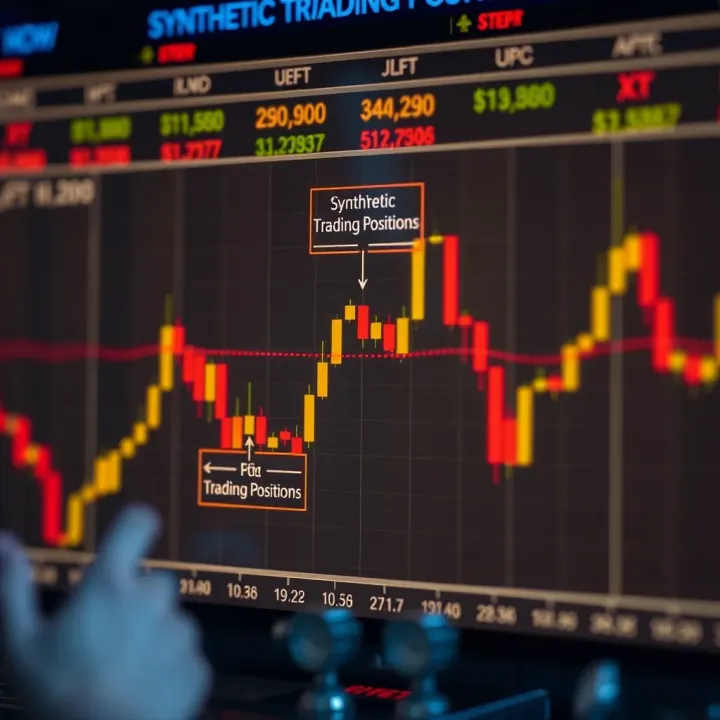
📊 Discover how synthetic trading creates unique market positions, strategies used, risks involved, and practical tips to enhance your South African trading decisions.
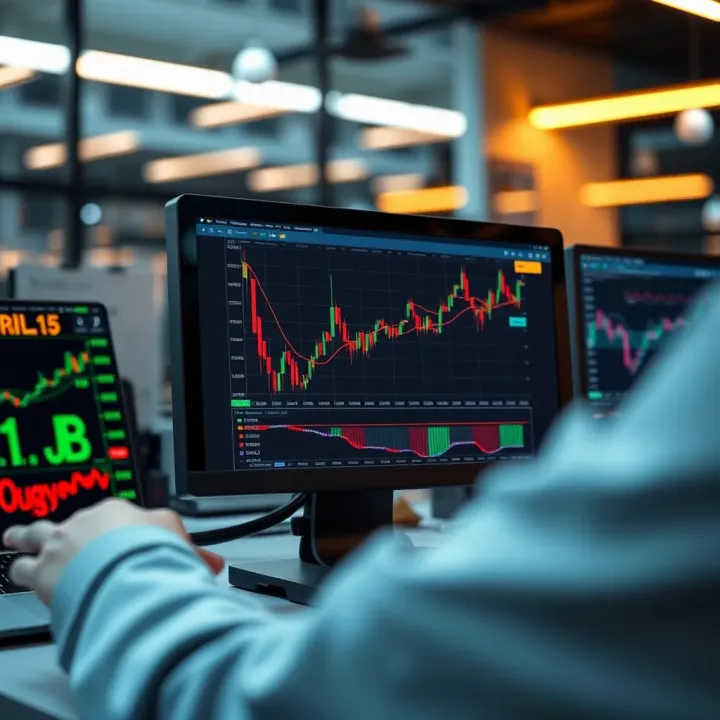
🤖 Discover how forex trading robots work, their pros and cons, risk management tips, and how South African traders can pick reliable automated tools.
📈 Master trading basics and beyond with this practical guide! Learn key concepts, styles, strategies, and risk management to trade confidently in South Africa.
Based on 8 reviews