

How Long Does Deriv Withdrawal Take?
Ready to withdraw from Deriv? 💸 Learn how long it takes, key steps, factors affecting speed, and tips for hassle-free withdrawals in South Africa.
Edited By
Matthew Scott
Deriv sets specific maximum withdrawal limits to keep trading secure and ensure smooth money flows. For South African traders, understanding these limits is vital to avoid hassles when accessing your funds.
Usually, Deriv's withdrawal cap depends on your account verification level, chosen payment method, and recent transaction history. For example, unverified accounts often face lower limits—maybe R5,000 daily—while fully verified users might withdraw significantly higher sums, sometimes up to R100,000 per day.
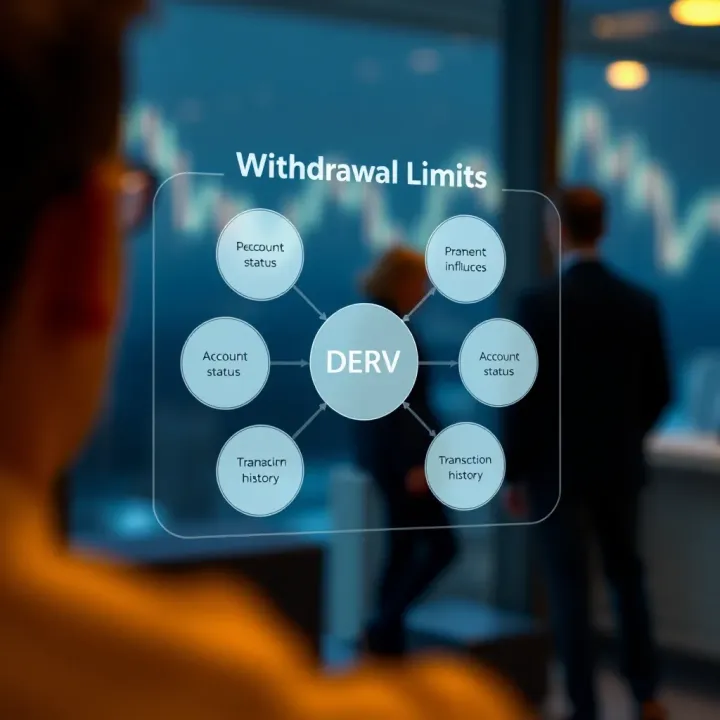
Withdrawal limits also vary by payment type. E-wallets like Skrill or Neteller typically allow faster and larger withdrawals compared to local bank transfers or credit card payments, which can have stricter monthly caps.
Keep in mind: exceeding the allowed withdrawal limit may delay your payments or trigger additional verification requests.
To withdraw funds, start by logging into your Deriv account and verifying your identity if you haven't already—this could include uploading a valid South African ID or passport, proof of address, and a selfie for biometric confirmation. Next, navigate to the withdrawal section, select your preferred payment method, enter the amount, and confirm your withdrawal.
Deriv may charge withdrawal fees depending on the method and currency. For instance, international wire transfers could cost you more than e-wallet withdrawals. Local bank transfers might be cheaper but slower, sometimes taking several business days.
Here are a few practical tips to manage your Deriv withdrawals efficiently:
Always complete KYC (Know Your Customer) steps upfront to unlock higher withdrawal limits.
Choose payment methods wisely: If you need quick access to funds, e-wallets might be your best bet.
Plan withdrawals around load shedding schedules to avoid internet disruptions during the process.
Check the latest fee structure on the Deriv platform before making requests to avoid surprises.
Keep track of your withdrawal history; regular large withdrawals might prompt compliance checks.
Understanding these limits and procedures helps you manage your funds effectively and avoid unnecessary delays or costs on Deriv, especially in the South African context where payment options and verification processes can differ slightly from global norms.
Understanding maximum withdrawal limits on Deriv helps you manage your funds and avoid surprises when cashing out your earnings. These limits set a ceiling on how much cash you can withdraw from your trading account within certain periods, such as daily, weekly, or monthly. Knowing these limits upfront keeps you in control and helps you plan withdrawals without hitting roadblocks.
A maximum withdrawal limit is the largest amount a user can take out from their Deriv account during a specific timeframe. This threshold could be R50,000 per day or R150,000 per month, for example. If you want to withdraw more than the limit, you’ll need to split the amount across multiple withdrawal requests or wait until the next period kicks in. These limits safeguard both the trader and the platform by keeping transactions manageable.
Withdrawal caps aren’t just arbitrary; they serve practical purposes. For starters, they help prevent fraud or money laundering by allowing platforms to monitor large fund movements closely. They also reduce operational risk, since processing massive payouts all at once can hold up liquidity and slow down transaction handling for all users.
Think of it like a bank setting a daily withdrawal limit on your cash card — it’s there to protect you and the system. On Deriv, withdrawal limits also help with regulatory compliance, especially in different regions where currency controls or anti-money laundering laws apply.
Deriv usually enforces several types of withdrawal limits, including:
Daily caps: Limits on how much you can withdraw in one day.
Weekly or monthly ceilings: These restrict accumulated withdrawals over a longer period.
Payment method restrictions: Some payment options, like e-wallets or bank transfers, might have their own caps based on processing rules.
Verification-based limits: Fully verified accounts often get higher withdrawal limits than unverified or partially verified ones.
For example, a South African trader using a bank transfer might face a daily withdrawal cap of R30,000 but could withdraw up to R100,000 monthly. However, if they use an e-wallet like Neteller, the limit might be different due to that payment provider’s policies.
Understanding these withdrawal limits ensures you don’t get stuck unable to access your funds when you need them. Always check Deriv’s current limits based on your account status and preferred withdrawal method before making plans.
By grasping how maximum withdrawal limits work, you can better manage your trading profits and navigate any restrictions smoothly. This knowledge makes your trading more predictable and less frustrating, especially when cash flow is critical.
Withdrawal limits on Deriv don’t exist in a vacuum. Several factors influence how much you can pull out at a time. Understanding these will help you plan better and avoid any surprises when moving your money.

Deriv follows strict Know Your Customer (KYC) rules to prevent fraud and comply with worldwide regulations. Until your account is fully verified, your withdrawal limit will be tighter. For example, if you've just signed up and haven't submitted official ID or proof of address, expect a much lower cap on withdrawals. Once you upload the necessary documents — like a South African ID or utility bill — and they’re verified, the platform lifts some restrictions. This protects both you and Deriv from unlawful transactions.
Not all withdrawal methods are treated the same. Some payment options have their own limits or rules that affect how much you can withdraw. For instance, e-wallets like Skrill or Neteller might allow quicker processing but could have smaller maximum limits. Bank transfers on the other hand may accommodate larger sums but might take longer to clear. Remember, Deriv also needs to follow rules specific to each payment provider, so those factors feed into the withdrawal cap.
Your location and the currency you trade in impact withdrawal limits too. If you’re in South Africa and trading in rand (ZAR), local regulations and currency controls might come into play. Meanwhile, using US dollars or Euros could have entirely different thresholds due to international money laundering checks or banking rules. Also, some regions face additional verification or restrictions, so it’s wise to be aware of these nuances to avoid withdrawal delays.
Deriv looks at how active and reputable your account is before setting withdrawal caps. Accounts with regular, verified deposits and genuine trading activity often qualify for higher limits. Conversely, if your account shows irregular deposits or minimal trading, the system may set conservative withdrawal limits as a precaution. Additionally, any account flagged for suspicious activity can be temporarily restricted until investigations conclude.
Your withdrawal cap reflects a mix of your verification status, payment choices, local rules, and your trading behaviour. Knowing this helps you manage your funds without unexpected blockages or delays.
By keeping an eye on these aspects, you can smooth the withdrawal process, reduce headaches, and make the most of your trading earnings on Deriv.
Navigating withdrawals on Deriv can seem tricky at first, but understanding the step-by-step process helps you manage your funds efficiently. This section breaks down practical steps to withdraw money smoothly, reducing confusion and delays. Whether you're an experienced trader or a newcomer, getting familiar with these essentials ensures you avoid hold-ups and meet all platform requirements.
Start by logging into your Deriv account and heading to the cashier or wallet section. There, you'll see all available withdrawal methods depending on your region and currency. For South African users, options often include e-wallets like Skrill or Neteller, bank transfers, and cryptocurrencies such as Bitcoin. It’s important to note that some withdrawal methods may not be available if you haven’t completed verification or if your trading method restricts certain payment channels.
Make sure to select a withdrawal method that suits your needs. For example, bank transfers typically take longer but are ideal for larger amounts, whereas e-wallets offer quicker access to funds but might come with lower withdrawal limits.
Once you've chosen a method, follow the prompts to enter the withdrawal amount. Remember that the amount must fall within your maximum withdrawal cap; otherwise, your request might be rejected or only partially processed. Double-check your details before confirming, especially your account or wallet information—simple mistakes here can cause unnecessary delays.
It's wise to keep track of your withdrawal history within the platform to avoid duplication or confusion. In some cases, you might need to specify the reason for withdrawal, particularly if your account is newly verified or flagged for review.
Deriv processes withdrawals differently depending on the payment method and account verification status. Typical e-wallet transactions can clear in under 24 hours, whilst bank transfers might stretch to 3-5 business days. Cryptocurrency withdrawals often reflect on your wallet within a few hours but depend on blockchain confirmation times.
Keep in mind that all withdrawals are subject to compliance checks, especially those exceeding the usual limits or carried out soon after account registration. These measures protect against fraud and comply with regulatory obligations, so some patience is required.
Tip: Factor in public holidays and weekends, which can delay banking processing times in South Africa.
Occasionally, your requested withdrawal might exceed the platform's current limit or your available balance after fees are applied. Deriv allows partial withdrawals to help you access funds incrementally. This way, you can withdraw up to the permitted amount and plan subsequent withdrawals accordingly.
If you face this situation, it's useful to maintain clear records and plan your cash flow around these constraints. For instance, if you want to withdraw R50,000 but the limit is R20,000, you could split the withdrawal over three cycles within the allowed time frame.
Ultimately, understanding each of these withdrawal steps helps you stay in control of your trading profits without surprises. By following this guide, you can withdraw funds confidently, respecting Deriv’s policies and South African financial norms.
Understanding the fees and charges related to withdrawing funds from Deriv is vital for traders who want to keep more of their earnings and avoid unexpected deductions. Withdrawal fees can vary based on payment methods, withdrawal amounts, and regional factors. Being aware of these costs helps users plan their transactions better and manage their funds effectively.
Deriv typically applies standard withdrawal fees depending on the payment option selected. For instance, withdrawing via e-wallets like Skrill or Neteller often incurs lower fees compared to bank transfers, which might have a fixed charge of around R50-R100 per transaction in South African Rand. Mobile money platforms or cryptocurrencies might also carry different fee structures. It's worth noting that minimum withdrawal limits might accompany these fees to keep transactions viable for both the user and Deriv.
For example, a trader using MTN Mobile Money in South Africa might face a small percentage fee, while an EFT withdrawal to a local bank account could have a fixed R80 fee. Always check the latest fee schedule on Deriv’s platform, as fees can fluctuate based on partnerships or payment provider charges.
Beyond the explicit withdrawal fees, some users encounter hidden costs worth tracking. Currency conversion fees may apply if your Deriv account currency differs from your withdrawal currency, possibly slashing your amount by a few percentage points without much notice. Additionally, intermediary banks involved in cross-border transfers might deduct their own fees, especially when using certain international payment routes.
South African traders should also consider municipal or bank-related taxes or fees, though these are less common. Taking a close look at the payment provider’s terms can help avoid surprises. If you regularly withdraw in smaller amounts, these hidden charges can add up to a significant drain on your profits over time.
Always factor in both explicit and implicit fees before confirming a withdrawal. This habit safeguards your funds and keeps expectations realistic.
When deciding how to withdraw from Deriv, consider both convenience and cost. E-wallets often offer quick, relatively affordable withdrawals but might have daily or monthly limits. Bank transfers provide reliability but can come with higher fees and longer processing times, sometimes up to 3 business days.
Cryptocurrency withdrawals, popular among tech-savvy traders, tend to have low fees and faster turnaround but depend on currency volatility and wallet safety practices. Local options such as PayFast or Peach Payments in South Africa could offer competitive charges and smoother experiences but check availability on Deriv.
To illustrate, choosing Skrill over a bank transfer might save you around R50 per transaction, especially for amounts under R5,000. However, if you routinely move large sums, the fixed bank transfer costs might be more cost-effective overall.
Weighing up these differences helps traders optimise their withdrawal strategy to suit both their trading style and financial goals. Being proactive about costs can leave you with more Rand in your pocket, ready for the next trade or investment.
Managing your withdrawals from Deriv stops you running into unexpected issues or delays. Knowing the ropes lets you plan your moves, especially when juggling limits, fees, and processing times. This section focuses on practical tips to help you withdraw funds smoothly and avoid common headaches.
Get your account in order before requesting a withdrawal. Verify your identity early by submitting your KYC documents as Deriv requires these for all withdrawals. This usually includes your ID or passport, proof of address like a recent utility bill, and sometimes a selfie for facial recognition. If you delay this step, your withdrawal can get held up. Also, keep your contact details updated because platforms often send withdrawal confirmations or requests for additional info via email or SMS.
Deriv offers several withdrawal options, each with pros and cons. For example, e-wallets like Skrill or Neteller often process quicker than bank transfers but may charge higher fees. In contrast, bank transfers are reliable but can take up to five days, especially when transferring Rand to South African banks. Cryptocurrency withdrawals could be near-instant but check if you’re comfortable with price swings and wallet security. Consider how fast you need the money, the fees involved, and convenience. Choosing the right method upfront saves hassle and cost.
Mistakes can slow down or block your withdrawal. A common blunder is trying to withdraw more than your maximum allowable limit or from a payment method you didn’t use to deposit. For instance, Deriv usually requires withdrawals go back to the original funding source. Trying to divert funds elsewhere raises red flags. Another frequent snag is submitting incomplete or blurry documents during verification. Double-check your submissions and follow up promptly if Deriv contacts you.
Always keep proof of your withdrawal requests and any correspondence. This helps you clarify any issues swiftly if disputes arise.
Knowing Deriv’s withdrawal caps helps you strategise your cashouts. If your trading account hits a monthly withdrawal cap of R100,000, withdrawing everything at once isn't possible. Instead, plan smaller, regular withdrawals aligned with your trading cycles. That way, you avoid delays or the frustration of partial withdrawals. Also, watch out for regional limitations or currency restrictions that might affect your amounts. Staying informed can cut down on surprises and keep your funds flowing.
By taking these steps — organising your account, picking suitable withdrawal methods, steering clear of pitfalls, and planning around limits — you can manage your Deriv withdrawals confidently and efficiently.
Ready to withdraw from Deriv? 💸 Learn how long it takes, key steps, factors affecting speed, and tips for hassle-free withdrawals in South Africa.

💰 Learn Deriv's minimum withdrawal limits, accepted payment methods, and withdrawal processing times. Tips to avoid delays and manage your Rands smoothly.

📲 Learn how to download and set up Deriv on your mobile or PC with ease. Tips on installation, system needs, safety, troubleshooting, and trading securely in SA.

📊 Learn how Deriv synthetic accounts simplify trading in South African markets, covering how they work, risks, benefits, and strategies to trade smarter safely.
Based on 5 reviews