
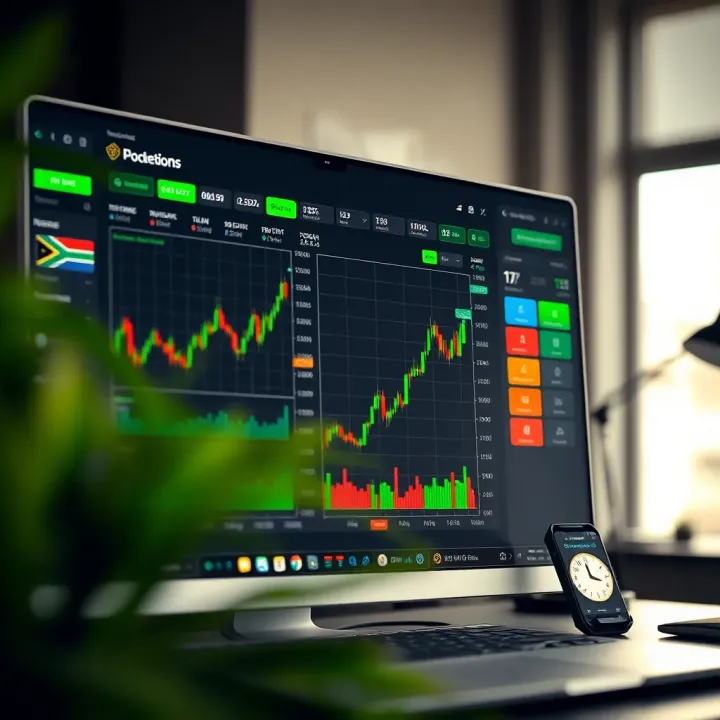
Pocket Options Guide for South African Traders
Explore Pocket Options in South Africa 🇿🇦: Learn easy setup, trading features, fee breakdowns, security tips, and key regulations for smarter trading 📈.
Edited By
Emily Saunders
Binary options trading has gained traction among South African investors looking for straightforward ways to engage in the financial markets. Unlike traditional share trading or forex, binary options boil down to a simple yes-or-no proposition: will an asset's price rise or fall within a set time frame?
At its core, a binary option has only two possible outcomes — you either win a fixed payout or lose your initial stake. This makes it tempting for newcomers drawn to the promise of quick returns. For example, suppose you predict that the price of gold will be higher than R1,000 per gram in the next hour. If you’re right when the clock runs out, you earn a predetermined amount, say R150 from a R100 bet. If wrong, you lose your R100.
Yet, that simplicity masks underlying complexity and risk. Binary options are essentially bets with limited expiry terms, which means timing and market volatility can quickly work against you. Unlike owning shares, you do not benefit from dividends or longer-term growth — just a yes/no outcome at expiry.
South African traders should understand that binary options are high-risk instruments, not traditional investments. You may lose your entire stake faster than you expect.
For South Africans, there’s an added layer of considering local regulations and available platforms. The Financial Sector Conduct Authority (FSCA) regulates financial products and has issued warnings about unregulated brokers, making it critical to choose platforms compliant with South African laws. Popular global platforms often lack proper licences here, posing potential legal and financial exposure.
Here’ s what South African traders need to keep in mind:
Only trade with FSCA-approved brokers
Understand that binary options differ from conventional trading methods
Prepare with risk management strategies; never invest more than you can lose
Be aware of the expiry times — ranging from minutes to hours — which influence your outcome
In this article, we'll look at how binary options function, common risks, legal considerations for SA traders, and some practical tips to navigate this type of trading cautiously. It's not a place for shortcuts; knowing the basics can protect your pocket and help you make more informed decisions.
Understanding how binary options work is key for anyone looking to trade in this financial instrument, especially in South Africa where regulations and market conditions have their own nuances. Binary options offer a straightforward way to speculate on asset price movements without the need to own the underlying asset, making them popular among traders who value simplicity and quick decisions.
Simplified financial instrument: Binary options boil down a complex financial decision into a simple yes-or-no question: will the price of an asset go up or down within a set period? Think of it like betting on a sports match but instead of teams, you're predicting the movement of currencies, stocks, or commodities. This simplicity means even new traders can get a grasp on them quickly, unlike traditional trading which often involves complicated factors like leverage and margin.
Two possible outcomes: When you trade binary options, there are only two payoffs: either you receive a fixed payout if your prediction is correct, or you lose your stake if you’re wrong. For example, you might bet R500 that the price of gold will rise within the next hour. If it does, you could get back R900 (your original R500 plus R400 profit). If it doesn’t, you lose the R500. This all-or-nothing structure makes managing your risk straightforward but highlights the high stakes involved.
Expiry times and payoff structure: The expiry time is when the trade settles and determines whether you win or lose. It could be as short as 60 seconds or as long as several months, depending on the platform. Payoffs are predetermined and usually fixed, so you know the potential profit or loss before entering the trade. For example, a platform might promise an 80% payout if your call option on the JSE Top 40 index closes in-the-money at the expiry. Knowing expiry times helps you match your trading style—fast-paced for day traders or longer expiry for a more measured approach.
Call and put options: The most common binary options are call and put. A call option predicts the asset price will rise above the strike price at expiry. A put option expects it to fall below. For instance, if you believe the rand will strengthen against the US dollar, you might buy a call option on USD/ZAR. These options form the backbone of binary trading and give you a direct way to express bullish or bearish views.
One-touch options: These options require the asset price to touch a specific target level at any time before expiry. Suppose you forecast that the price of Brent crude will hit $85 a barrel before the day ends. If it touches $85 even once, the option pays out. These are riskier but can offer higher returns since you don’t need the price to stay above or below the strike at expiry—just to reach the target once.
Range options: Range, or boundary options, require the asset price to stay within a set range until expiry. For example, you might bet that the rand-dollar rate will stay between R14.50 and R14.80 over the next hour. As long as it doesn’t move outside this range, the trade pays out. Range options suit markets with low volatility or when traders expect prices to fluctuate mildly.
Binary options provide a simple, fixed-risk way to trade market movements but demand careful timing and a clear understanding of each option type to succeed.
This knowledge prepares South African traders for the kinds of trades they can expect and helps in selecting strategies tailored to their risk appetite and market outlook.
Trading binary options comes with notable risks that every South African trader needs to be aware of. While the simplicity of an all-or-nothing payout might seem appealing, this feature significantly raises the stakes. Understanding these risks helps traders decide if such investments fit within their financial goals and risk appetite.
All-or-nothing payoff risk means that you either earn a fixed return or lose your entire stake. Unlike traditional stock trading where even if the market dips you might still mitigate losses by selling at a reduced price, binary options don’t offer this flexibility. For example, if you predict a commodity’s price will rise within a specific hour and it doesn’t, you lose your investment entirely. This binary outcome increases risk exposure, especially if strategies aren’t cautiously developed.
Impact of volatile markets can further complicate binary options trading. South Africa’s markets, and global commodities like gold or oil, often experience sharp price swings. Even small fluctuations at expiry can determine the outcome, making it difficult to predict results accurately. Traders unfamiliar with volatility might find themselves quickly losing capital, especially during unstable economic periods like fluctuating exchange rates or uncertain political climates.
Scams and unregulated brokers are a major pitfall. The binary options world has been plagued by fraudulent operators exploiting unsuspecting traders. In South Africa, traders should rely on brokers authorised by the Financial Sector Conduct Authority (FSCA). Using unlicensed platforms increases the risk of not being paid out or falling prey to manipulative practices such as rigged software or hidden charges. Thorough background checks on brokers’ credentials are essential before depositing funds.
Emotional trading and overtrading frequently lead to losses. The fast pace and fixed expiry times can tempt traders into impulsive bets or chasing losses by increasing stakes recklessly. This behaviour often erodes capital rather than growing it. For instance, after a losing trade, some might impulsively double their next wager expecting a quick recovery, but this rarely works out. Developing discipline, setting strict loss limits, and taking breaks are crucial to avoid emotional decision-making.
Remember: Binary options are not a shortcut to quick wealth. They demand careful planning and risk awareness. Without it, traders risk burning through their capital rapidly.
By understanding these risks and challenges, South African traders can approach binary options more cautiously and tailor their strategies to protect their funds better.
Understanding the legal framework around binary options in South Africa is essential for traders to avoid pitfalls and protect their investments. Since the financial landscape can be tricky, especially with high-risk products like binary options, knowing the rules helps you make informed choices and steer clear of illegal or shady operators.
The FSCA is the main watchdog looking after financial services in South Africa, including trading activities involving binary options. It ensures firms offering trading services comply with laws designed to protect consumers and maintain fair markets. For you as a trader, the FSCA's oversight means there’s a legal body you can turn to if things go wrong or if a broker behaves unethically.
The FSCA also provides guidelines and warnings about high-risk investments, encouraging traders to be wary of promises that sound too good to be true. Their closing of loopholes or crackdowns on unauthorised operators directly impacts how binary options firms operate within South Africa.
Binary options trading falls under the broader category of financial instruments regulated by the FSCA and the collective investment schemes and derivatives laws. One key restriction is that only brokers authorised by the FSCA may legally offer binary options services locally. This prevents fly-by-night operators from exploiting South African traders.
Furthermore, recent regulatory measures have tightened rules around marketing and client onboarding due to the high-risk nature of binary options. For example, brokers must ensure clients understand the risks before trading and provide clear, accessible information about potential losses. This transparency helps traders avoid getting caught in scams or unrealistic expectations.
Before you deposit any money with a binary options broker, check their licensing status with the FSCA. An FSCA licence means the broker meets local standards for financial integrity and client protection. You can typically find licensing details on the broker’s website or through direct inquiry with the FSCA.
A licensed broker also has to adhere to compliance requirements like client fund segregation, regular auditing, and dispute resolution processes. These ensure your funds are safer and that there is some recourse if the broker acts dishonestly.
Watch out for brokers who claim guaranteed returns or who pressure you into quick trading decisions — legitimate platforms will be clear about risks and won’t push you to trade beyond your means. Additionally, brokers operating outside South Africa without an FSCA licence are a big red flag.
Another warning sign is poor transparency around withdrawal processes or unreasonable fees for moving your money out. Some unlicensed brokers disappear with clients’ funds, so always insist on verified, clear terms before engaging.
Choosing a well-regulated and trustworthy broker is your best defence against losing money through scams or unfair practices in binary options trading.
Being aware of South Africa’s regulatory landscape helps you navigate binary options safely and stay on the right side of the law, while also improving your chances of a positive trading experience.
Trading strategies and best practices are vital for anyone wanting to trade binary options effectively, especially in a market as unpredictable as South Africa’s. These provide a structured approach that helps manage risks and enhances the chances of consistent outcomes, rather than relying on guesswork or luck. With binary options, where it's an all-or-nothing payout, a solid game plan can make the difference between preserving your capital and losing it all in a blink.
Understanding technical indicators equips you with tools to identify potential price movements before placing a trade. Popular indicators for binary options include moving averages, which smooth out price data to highlight trends, and the Relative Strength Index (RSI), which shows if an asset is overbought or oversold. For instance, an RSI above 70 might signal a reversal, suggesting it’s better to choose a put option.
Traders can also use Bollinger Bands to gauge volatility; tight bands usually mean a breakout is due, an opportunity for savvy call or put entries depending on direction. These indicators don't guarantee success but help in timing expiry times and predicting direction more reliably.
While binary options often focus on short-term moves, considering the fundamental backdrop is crucial, especially for longer expiry trades. Economic releases like South Africa’s Reserve Bank interest rate decisions or employment figures can cause sharp market swings. If you were to trade options on the rand or stocks like Sasol or Naspers, keeping an eye on these indicators helps avoid surprise volatility that could wipe out a trade.
For example, if strong mining data is expected, call options on mining shares might be a safer bet. Even though binary options are short-term by nature, blending technical signals with fundamental events allows you to avoid trading blind, improving your odds.
One of the best habits a trader can develop is setting clear loss limits and sticking to them. Decide on the maximum amount you’re willing to risk per trade and daily overall—say no more than 2% of your trading capital on one trade. This shield prevents a string of losses from wiping out your account.
Besides monetary limits, controlling exposure also means diversifying different trades rather than putting everything on a single asset or expiry time. If you hedge your bets across various sectors or expiry periods, you avoid being caught flat-footed by sudden crashes or spikes.
Protecting your capital should always be priority number one—without enough funds left, no strategy can work over time.
Many traders start with enthusiasm but soon fall into traps like chasing losses or placing too many trades at once. Emotional trading leads to rash decisions, like doubling down after losses, which usually deepens the hole.
Overtrading also drags you into market noise where signals get lost in the clutter. A more disciplined approach means picking quality setups, sticking to your strategy, and taking breaks to reset your perspective. For instance, if three trades in a row fail, stepping back to re-evaluate instead of pushing on can save both money and nerves.
In summary, a good trading practice is combining clear analysis with strict money management and emotional control. These aren’t just lessons for binary options but valuable for any form of trading or investing in South Africa’s vibrant but volatile markets.
Before diving into binary options trading, South African traders need to assess several factors carefully. This step can help avoid unnecessary financial strain and prevent falling into common traps associated with this high-risk market.
Understanding how much you can afford to lose without disrupting your financial stability is vital. Binary options carry a high chance of losing your investment entirely, so treating this as disposable income rather than essential savings is wise. For instance, if you’re relying on your savings for monthly expenses or a bond repayment, putting those funds at risk is not advisable.
Setting a firm budget for trading and sticking to it protects you from chasing losses. Think about allocating a small portion of your income or savings for trading, and avoid borrowing money to fund trades. This approach helps keep your other financial commitments safe and reduces stress while trading.
Jumping straight into live trading without proper knowledge is a recipe for disaster. Taking time to learn about binary options, market analysis, and trading tools can make a real difference. Many platforms offer demo accounts—virtual trading environments where you can practise without risking real money.
By experimenting on a demo account, you get a feel for market movements, trial different strategies, and understand how expiry times affect outcomes. This practical experience builds confidence and sharpens decision-making. Education isn’t just about reading; it includes following market news, understanding trends, and knowing the basics of technical and fundamental analysis.
A clear, user-friendly interface matters a lot, especially for beginners. If the platform looks cluttered or confusing, it can lead to errors during trading. Look for platforms that offer intuitive navigation and useful tools such as charting features, technical indicators, and real-time data.
For example, platforms providing easy access to candlestick charts and moving averages let you spot trends more quickly. Some also offer alerts to track asset price changes, which can help you time your trades better. Choosing a platform that matches your style makes trading less stressful and more efficient.
Convenience and security in funding your trading account are important. Top platforms allow multiple deposit and withdrawal methods, including EFTs from South African banks like FNB or Standard Bank, credit/debit cards, and digital wallets.
Before committing, check the processing times and fees for withdrawals. Some platforms might charge high fees or delay payments, which can cause frustrations and cash flow issues. A trustworthy platform should make it straightforward and quick to withdraw your profits without unnecessary hassle.
Starting off on the right foot means being realistic about your finances and picking a platform that supports you well. This approach sets the foundation for more informed and safer trading decisions.
Explore Pocket Options in South Africa 🇿🇦: Learn easy setup, trading features, fee breakdowns, security tips, and key regulations for smarter trading 📈.

📈 Discover how signal trading helps South African traders make smarter moves with expert tips, types of signals, benefits & risks explained clearly.
Explore Templer FX for South African traders 🇿🇦: uncover trading accounts, platform features, fees, and regulatory info for smarter forex decisions.

🤖 Explore how robot trading automates your trades in SA markets, learn strategies, risks & tips to pick the right auto trading system confidently.
Based on 9 reviews